
A niche corner of the luxury customization market has produced one of the more unusual iPhone variants in recent memory. Caviar, a company known for high-end modifications of consumer devices, is offering a limited edition version of the iPhone 17 Pro and Pro Max that incorporates a small fragment of clothing associated with Steve Jobs.
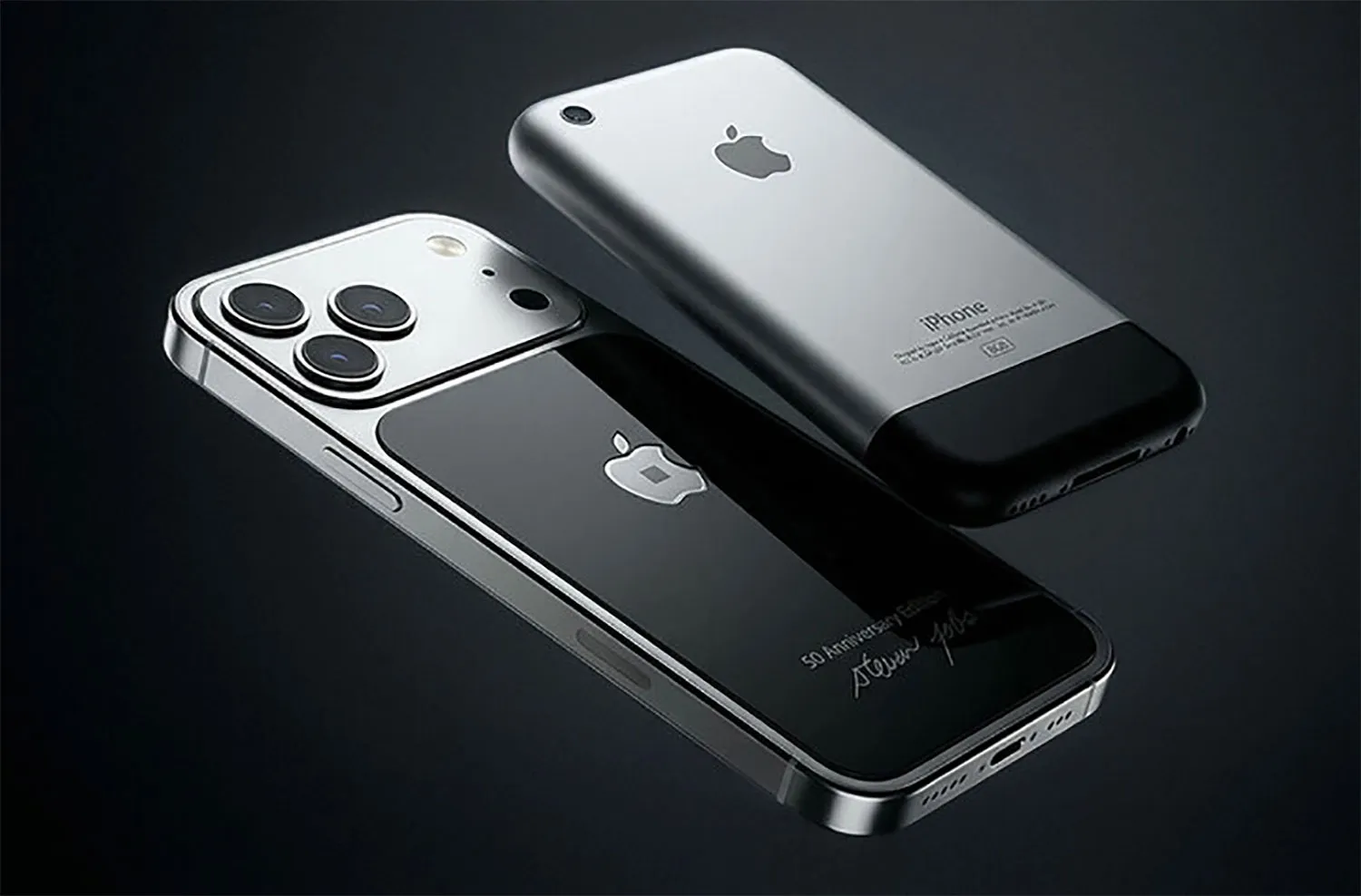
The concept centers on embedding a tiny piece of fabric, described as originating from one of Jobs’ well-known turtlenecks, into the back of the device. This material is placed within the Apple logo area and accompanied by a reproduction of Jobs’ signature. The rest of the design draws loosely from the original iPhone’s aesthetic, combining a black panel with a silver-toned titanium body treated with a PVD coating.
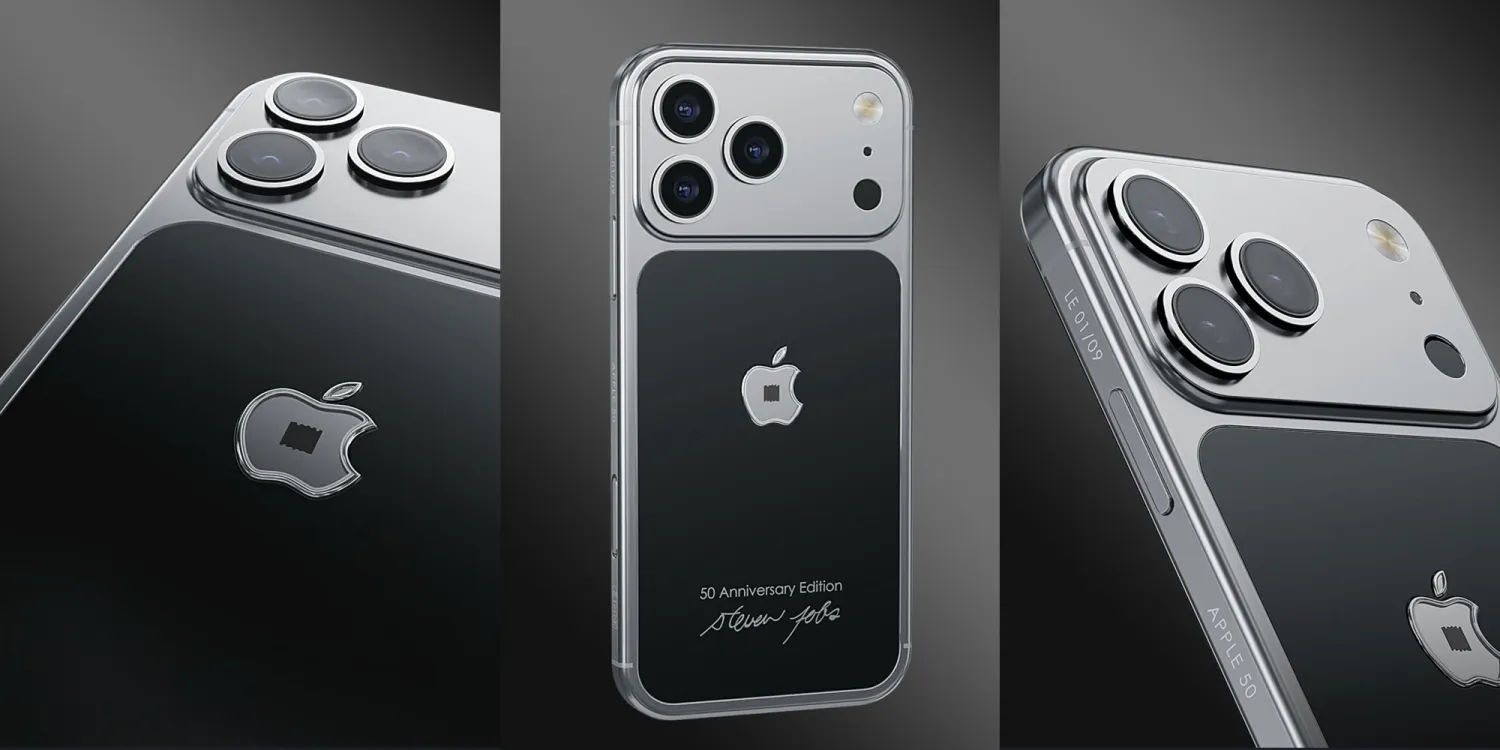
Only nine units are being produced, a number tied to the January 9 unveiling date of the original iPhone in 2007. As expected with this type of product, scarcity is part of the appeal. The price reflects that positioning, starting at $9,630, placing it well beyond typical flagship smartphone pricing and firmly into collector territory.
There are also some inconsistencies around the historical framing. The company references fabric from the era of the NeXT computer presentation, though archival footage from that specific 1988 event shows Jobs wearing formal attire rather than his later, more recognizable turtleneck. While he did adopt that style during his time at NeXT, the exact origin of the material is not clearly documented beyond the provided certificate.
Functionally, the device does not differ from a standard iPhone 17 Pro or Pro Max. The modifications are entirely cosmetic, with added packaging elements such as a custom wallpaper and branded accessories intended to reinforce its exclusivity. From a usability standpoint, buyers are paying for presentation and perceived historical connection rather than any technical enhancement.
This release reflects a broader trend where consumer electronics, particularly smartphones, are occasionally repositioned as collectible objects. While limited editions and collaborations are not new, attaching physical artifacts tied to well-known figures pushes that idea further into memorabilia territory.
Whether there is sustained demand for such products is unclear. Smartphones have relatively short lifecycles compared to traditional collectibles, and their long-term value is often tied more to functionality than provenance. Still, for a small segment of buyers, the appeal lies less in practicality and more in owning a conversation piece that blends technology with curated history.