

The introduction of the white variant of the HUAWEI Mate XT shifts the conversation around the device from pure engineering spectacle toward aesthetics, material choices, and how color influences the perception of advanced hardware. While the Mate XT was already positioned as a technical outlier due to its tri-fold construction, the white finish reframes the device as something closer to a design object than a conventional piece of consumer electronics.
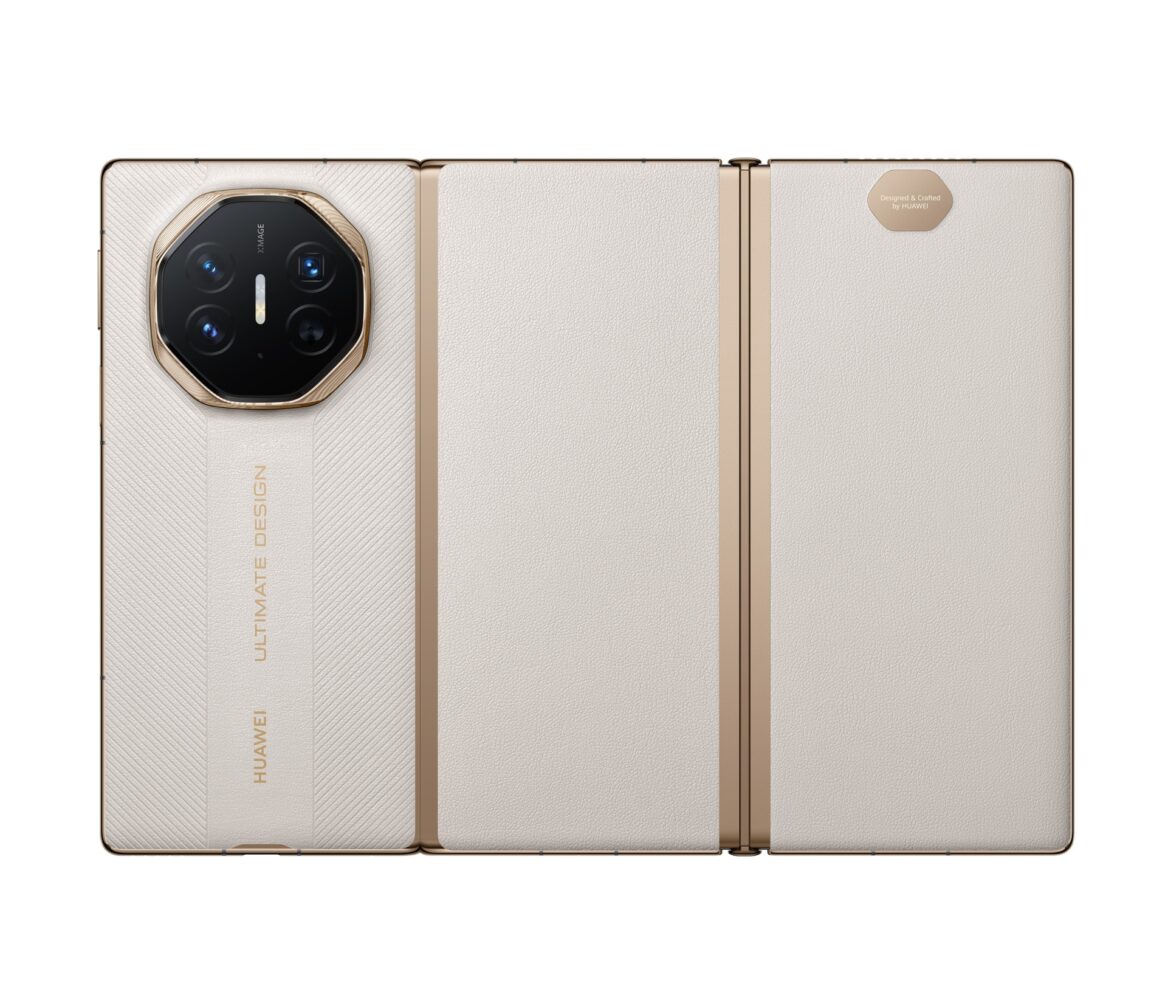
In contrast to darker finishes that tend to emphasize power and density, the white Mate XT highlights the phone’s structural complexity by doing the opposite. The lighter tone draws attention to the device’s thinness, especially when fully unfolded, where the layered engineering becomes more apparent rather than visually concealed. White surfaces also tend to expose imperfections more easily, which makes the decision notable in a category where hinges, seams, and folding lines are unavoidable. Huawei appears confident enough in its manufacturing tolerances to allow those details to remain visible rather than masked.
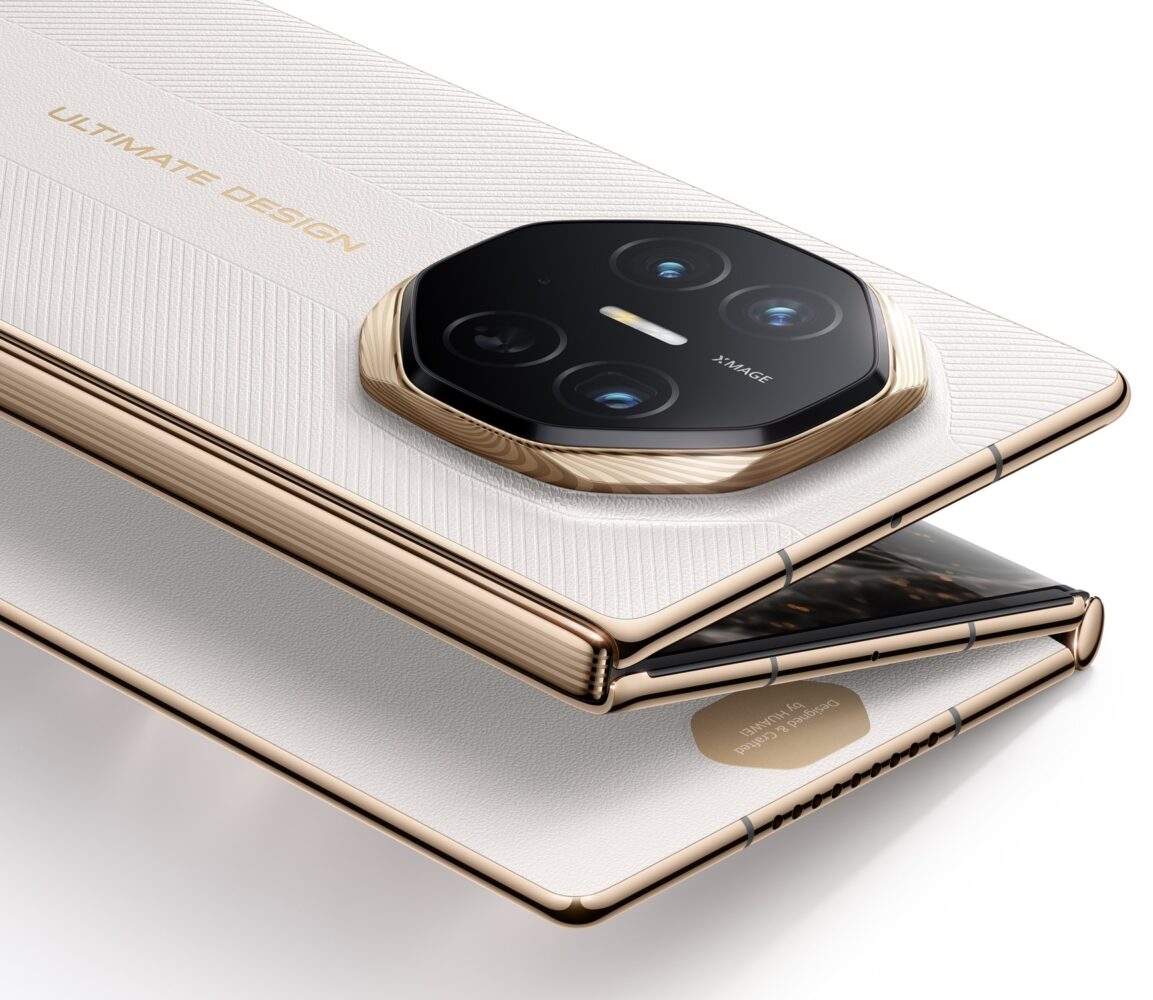
The rear panel combines the white exterior with a leather-textured finish reinforced by lightweight structural fibers. This choice softens the visual impact of an otherwise intricate device and reduces the industrial feel often associated with foldable smartphones. In white, the texture becomes more noticeable, adding depth without relying on glossy reflections or decorative finishes. It positions the Mate XT closer to fashion-oriented hardware trends seen in premium laptops and accessories, where subdued tones signal refinement rather than excess.
The camera module also benefits from the color shift. Its geometric form and metallic edges stand out more distinctly against a white backdrop, creating contrast without exaggeration. Rather than dominating the rear design, the module feels integrated, allowing the overall form to remain balanced. This subtle recalibration matters for a device of this size, where visual weight can easily become overwhelming.
From a practical standpoint, white devices often raise concerns about wear and discoloration. Huawei’s material choices suggest an attempt to mitigate these issues through coatings and fiber reinforcement, though long-term durability will ultimately depend on real-world use. Still, the move toward white signals a willingness to prioritize visual clarity over the safer option of darker, more forgiving finishes.
Functionally, the white variant does not alter the Mate XT’s core capabilities. The tri-fold display system, adjustable aperture camera, hinge construction, and battery configuration remain unchanged. What does change is how the device is perceived in daily use. In white, the Mate XT feels less like a prototype demonstrating what is possible and more like a finished product intended to be seen, carried, and incorporated into personal style.
As foldable smartphones continue to search for broader acceptance, color variants like this play a meaningful role. The white Huawei Mate XT suggests that future foldables may be judged not only by how they fold, but by how comfortably they fit into everyday visual culture.