


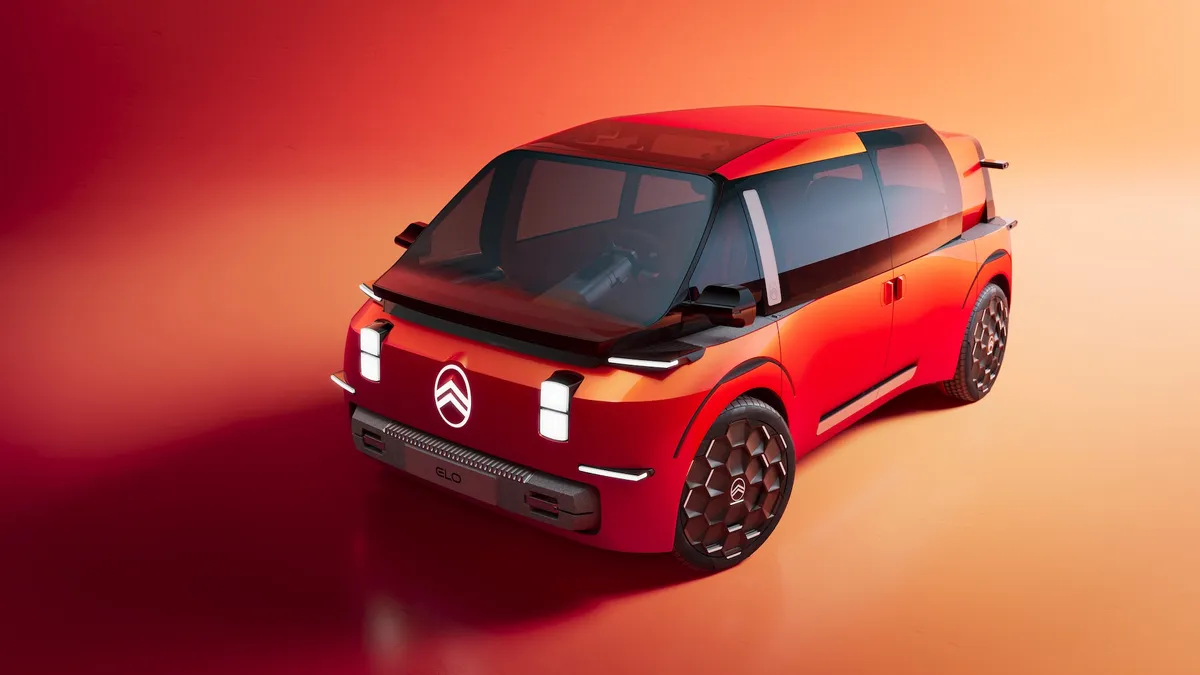
Citroën’s ELO concept is framed as a look at how minivans and people carriers might evolve in an era of compact electric vehicles, and it does so by challenging some long-standing assumptions about size and space. Rather than scaling up, the French manufacturer explores whether a vehicle with roughly the footprint of a small hatchback could still function as a six-seater family car. The result is a compact electric minivan concept that prioritizes interior packaging above all else, even if some of its ideas remain firmly in the realm of experimentation.
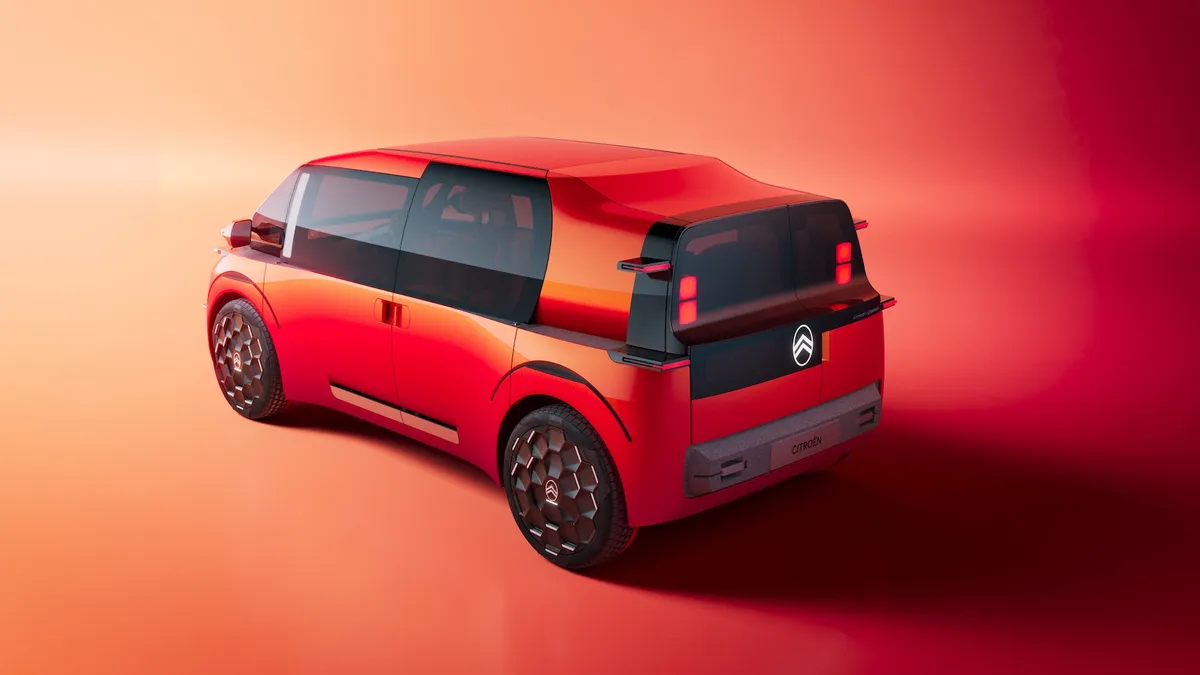
The Citroën ELO concept is built around a dedicated electric platform, with the motor mounted at the rear. This layout frees up space at the front and allows designers to rethink the cabin from the ground up. Citroën claims the interior makes efficient use of every available centimeter, a familiar promise in concept cars but one that is explored here with unusual thoroughness. The most striking decision is the centrally mounted driver’s seat, positioned far forward to open up the cabin behind. The layout recalls niche performance cars rather than family vehicles, but here the goal is visibility and flexibility rather than driving theatrics.
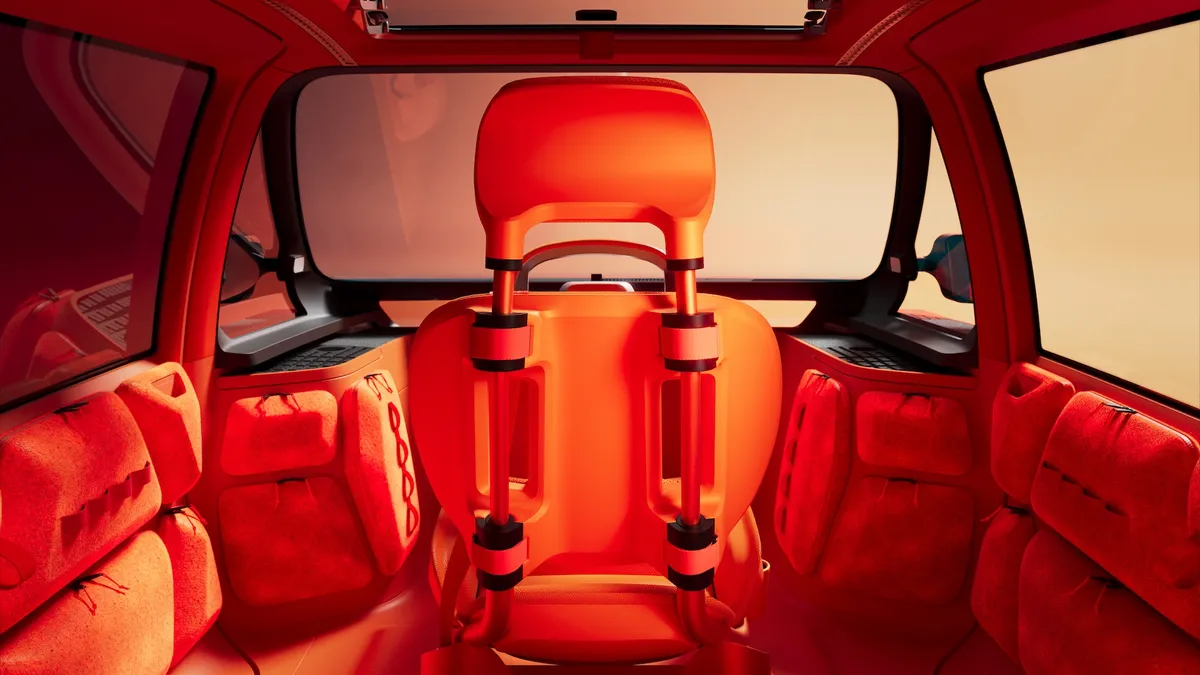
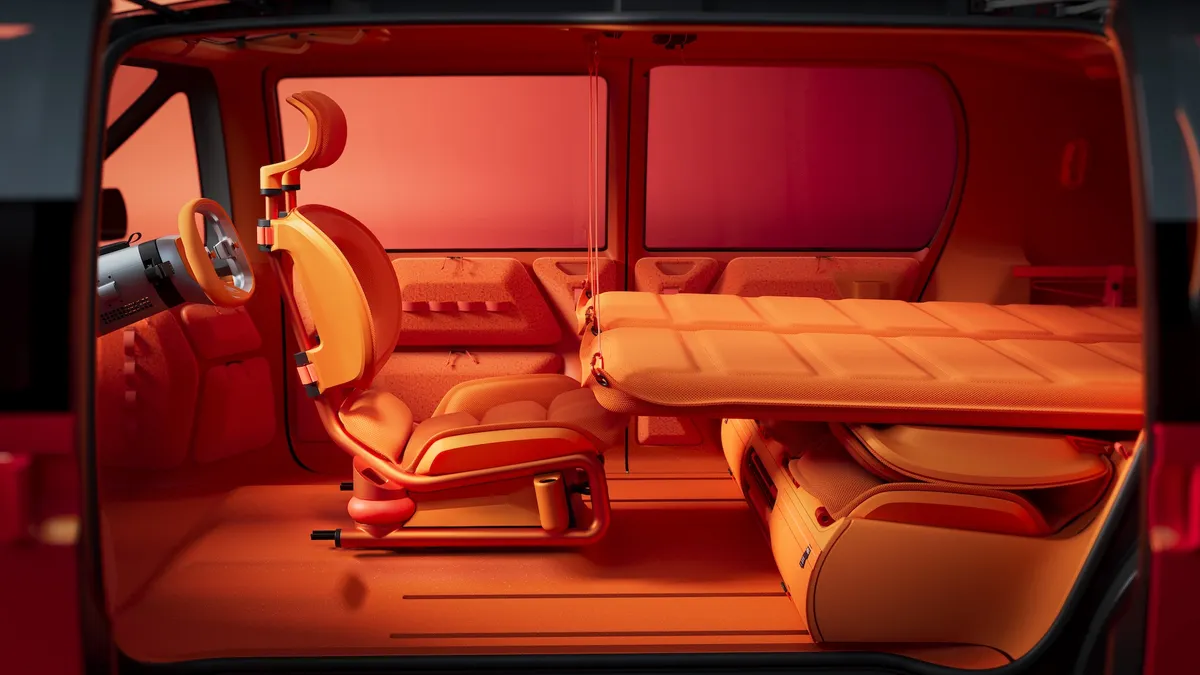
With the steering wheel pushed forward and the seat centered, the driver benefits from a wide field of view, while also being able to rotate the seat when parked to face passengers. Citroën hints that this arrangement could align with more advanced driver assistance or future autonomous features, though no specific systems are detailed. To accommodate six occupants, the ELO uses fold-away seats positioned beside the driver, supplemented by a rear bench made up of three individual seats rather than a traditional shared cushion.
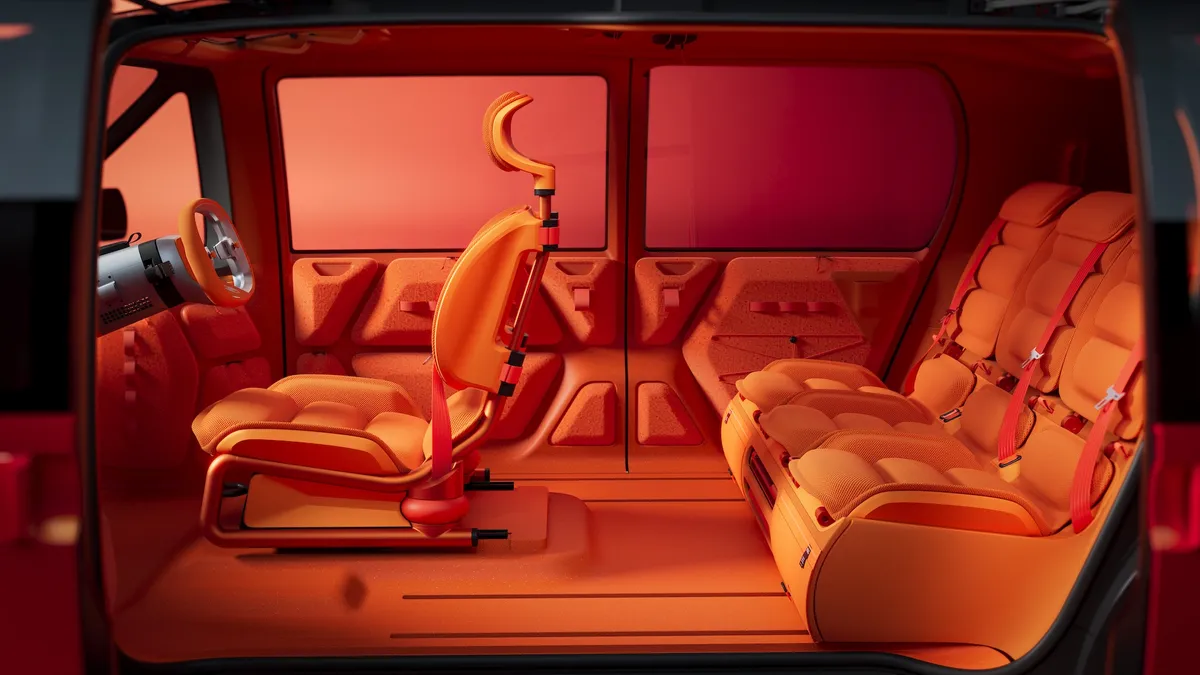
The concept leans heavily into multi-use living space. Two inflatable mattresses are stored in the rear and can be deployed for overnight stays, suspending above the folded rear seats. Developed with sporting goods retailer Decathlon, they inflate using an onboard compressor, borrowing technology from inflatable outdoor equipment rather than traditional automotive accessories. A projection screen, sliding rear-hinged side doors, and extensive glazing further emphasize the vehicle’s camping and leisure ambitions.
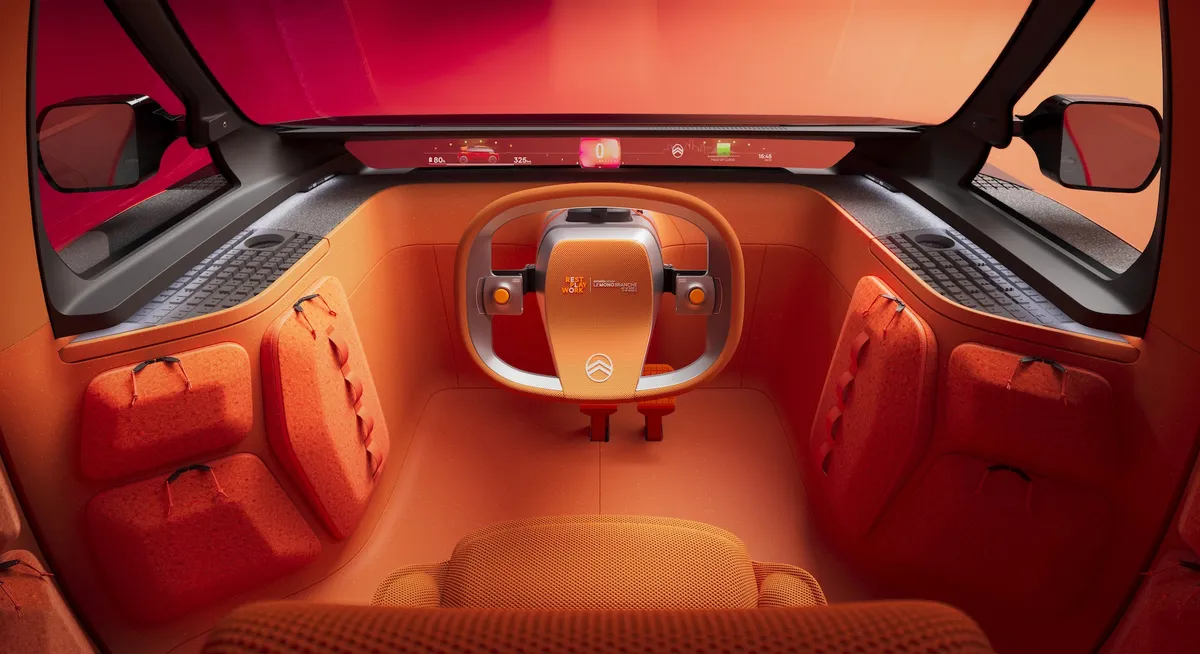
Visually, the ELO’s bold color palette and recycled interior fabrics underline its concept status more than any near-term production intent. Many of these elements would likely be simplified or removed if the idea progressed beyond the design studio. Still, the underlying message is consistent with Citroën’s recent focus on small electric cars with adaptable interiors rather than premium materials or high performance.
As a vision of the future minivan, the Citroën ELO concept does not offer a clear roadmap to production. Instead, it serves as a design exercise that questions how electric platforms might allow compact vehicles to take on roles traditionally reserved for much larger models. Whether consumers are ready to embrace such unconventional layouts is an open question, but the concept highlights ongoing pressure on automakers to deliver practicality without increasing vehicle size.