
Every year, Consumer Electronics Show manages to feel overwhelming in exactly the same way, and CES 2026 was no exception. Miles of carpet, flashing LEDs everywhere, robots politely rolling past you while someone pitches an AI-powered toaster with a straight face. The trick, as always, is separating the noise from the signals. After days of walking the halls, sitting through demos, and filtering inboxes full of launch announcements, some patterns started to emerge.
CES 2026 wasn’t about one single breakthrough. Instead, it was about refinement, recombination, and a lot of quiet course correction. Big screens got thinner and brighter, laptops got lighter and stranger, and wearables kept trying to justify their existence without locking users into endless subscriptions. Phones continued folding in increasingly complex ways, as if daring physics to tap out.
Televisions were once again the easiest place to spot visible progress. LG’s return to the Wallpaper concept felt less like a flex and more like an argument that TVs don’t need to dominate a room to be impressive. At just 9mm thick and nearly flush to the wall, it looked more like architectural glass than consumer electronics.
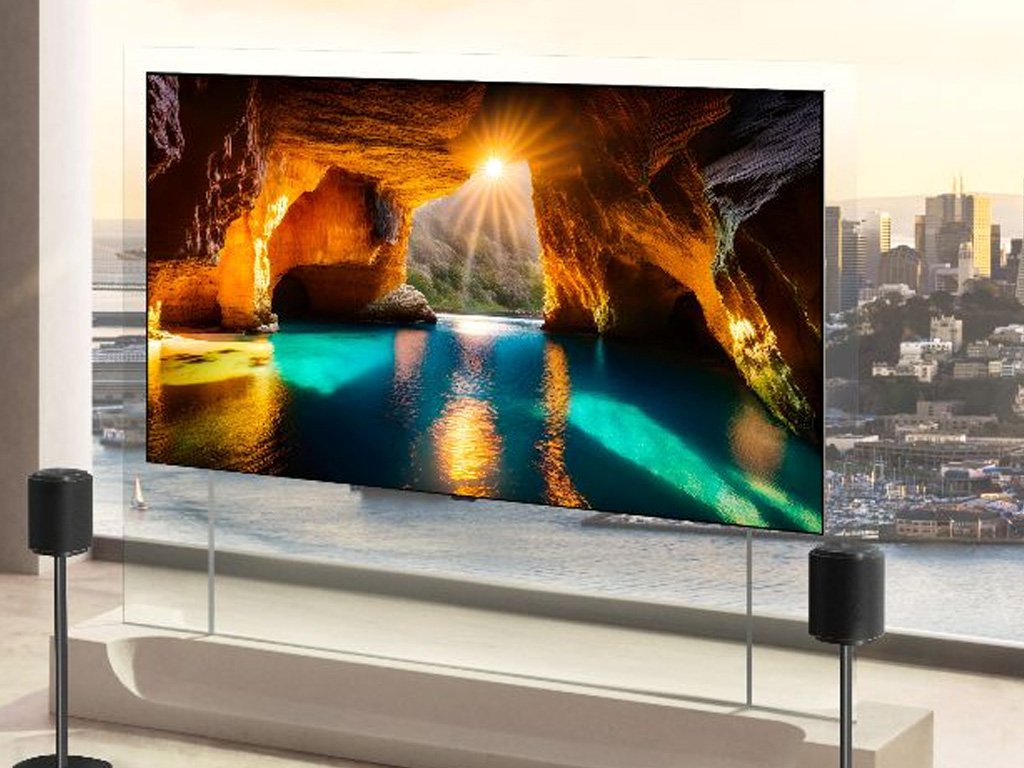
What stood out wasn’t just how thin it was, but how well it handled reflections and brightness in real-world lighting, something that actually matters once you leave the demo booth. It’s still clearly a high-end purchase, but it shows that display design hasn’t hit a creative wall yet.
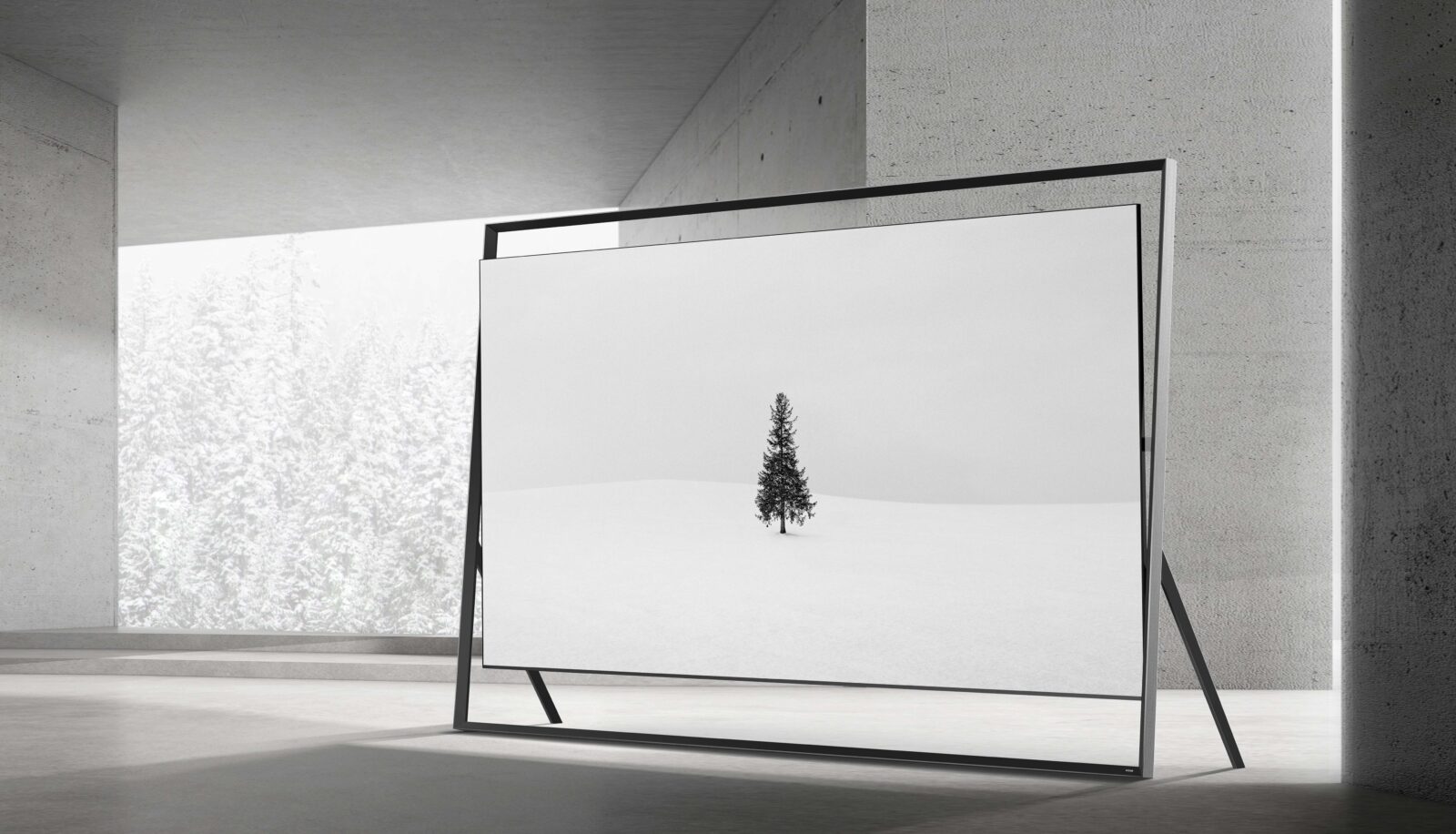
Samsung approached the living room from the opposite direction. The Timeless Frame TV is enormous, unapologetically so, and clearly designed to be seen even when it’s turned off. It’s less about hiding tech and more about embracing it as part of the room.
At the same time, Samsung’s Galaxy TriFold phone quietly stole attention on the mobile side. Folding phones are no longer novel, but a device that expands into a tablet and folds down into something pocketable still feels like a glimpse at where personal computing might head next. The key difference here is confidence. The hinges felt solid, the form factor made sense, and for the first time, a multi-fold phone didn’t feel like a fragile experiment.

Laptops continued their steady march toward weightlessness. Asus’ Zenbook A14 was so light it bordered on suspicious, the kind of machine you pick up twice just to make sure there isn’t a dummy unit inside.
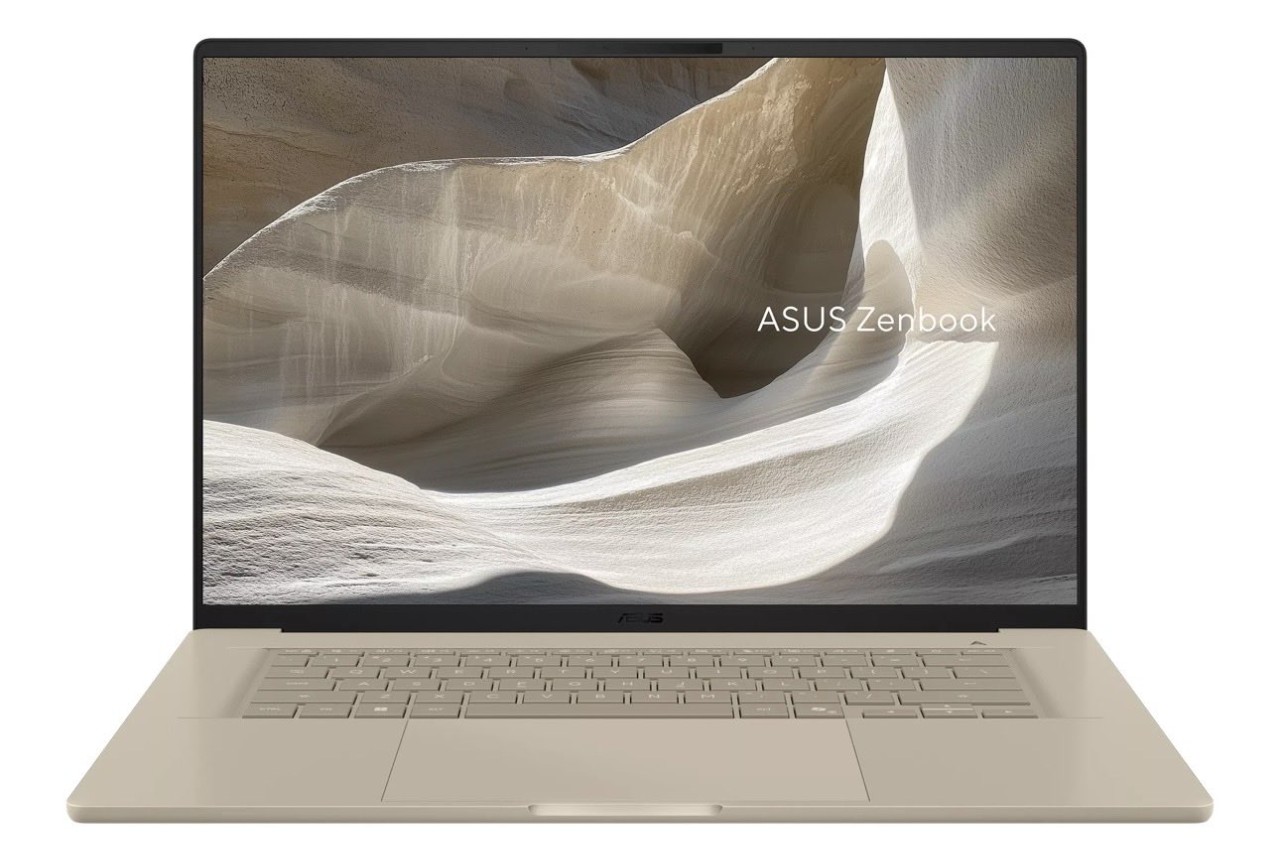
HP’s OmniBook Ultra 14 chased thinness aggressively, while still claiming durability through stress testing rather than marketing promises. Acer took a more unconventional route with the Swift 16, whose massive haptic touchpad felt like an attempt to rethink how people interact with laptops altogether. Whether that replaces tablets is debatable, but it’s refreshing to see experimentation in a category that often feels stuck.

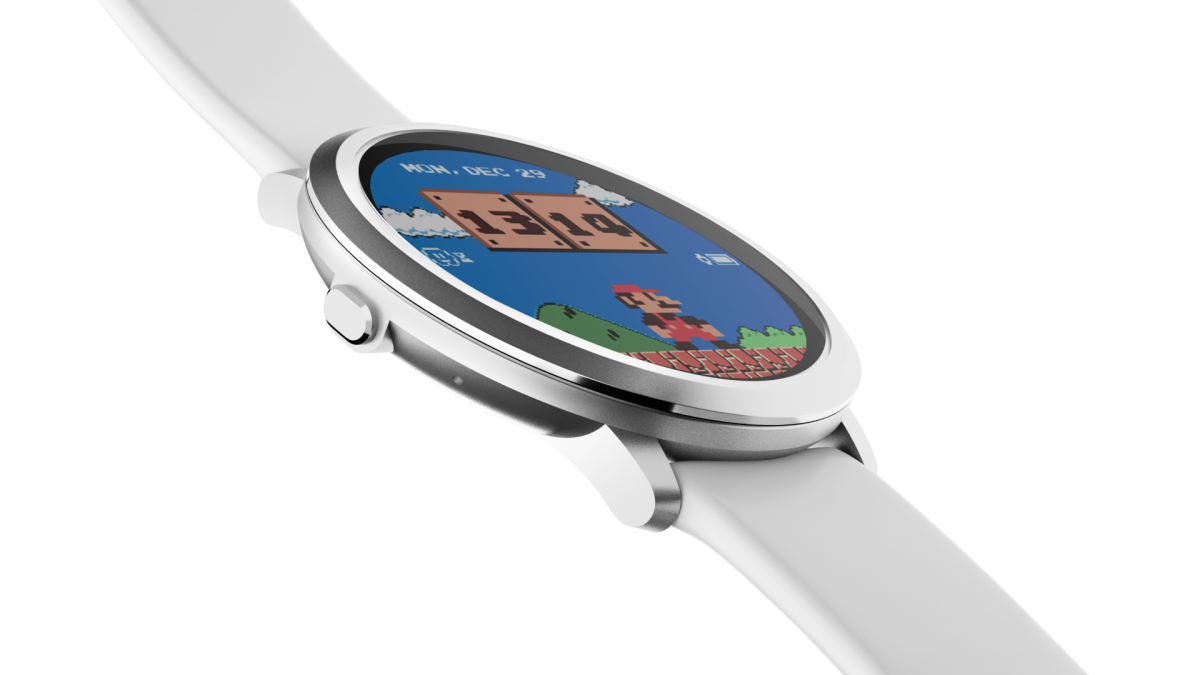
Wearables were noticeably more restrained this year. Pebble’s Round 2 doubled down on doing less, not more, with its e-paper display and focused feature set. It’s not trying to compete with flagship smartwatches; it’s reminding people that longevity and simplicity still have value.
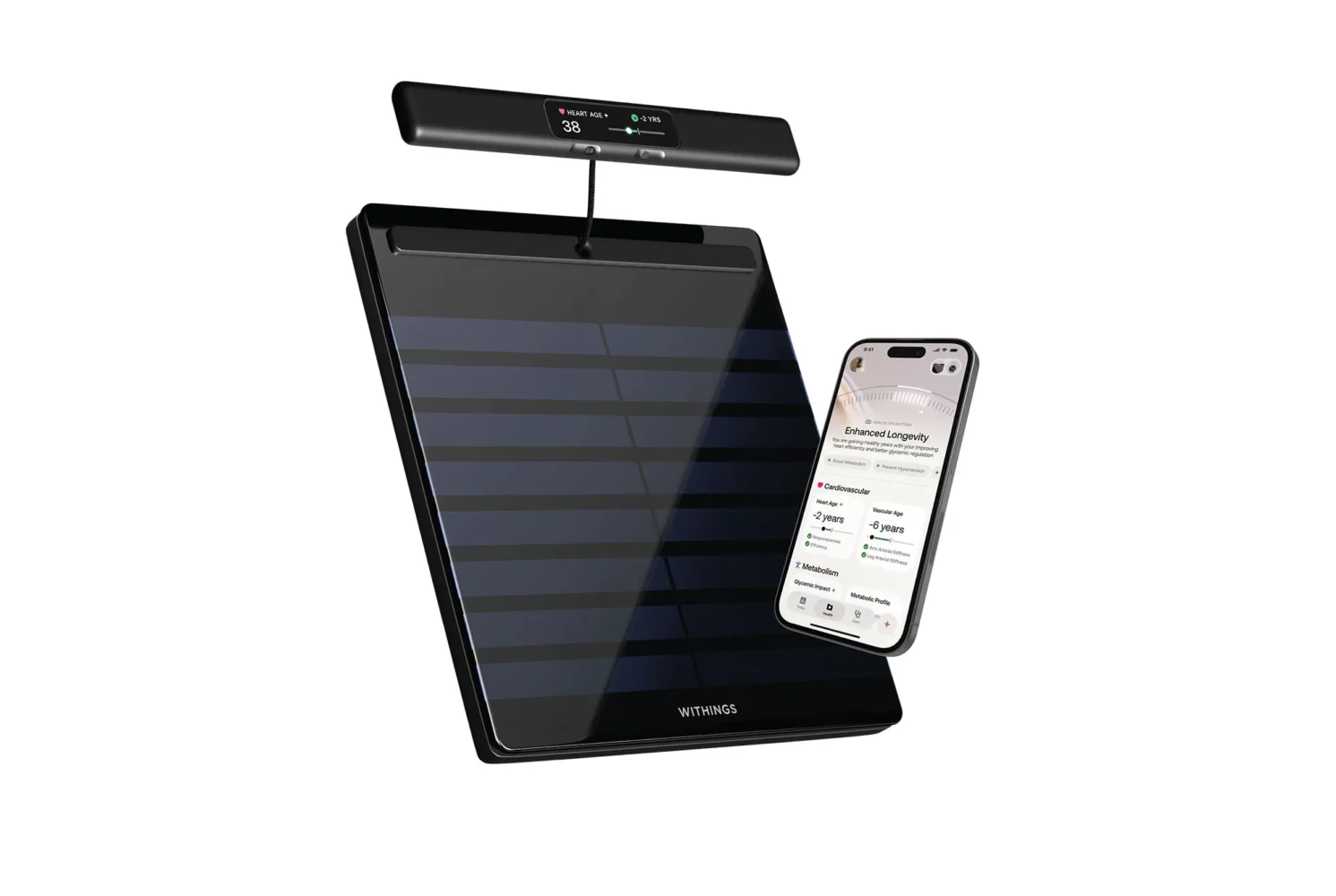
Withings’ Body Scan 2 leaned further into body metrics, adding upper-body sensors via a handle that looks odd until you realize it makes sense. Luna’s fitness band caught attention by skipping subscriptions entirely, which in 2026 feels almost rebellious.
Audio gear showed some of the most practical thinking on the show floor. Soundcore’s AeroFit 2 Pro headphones addressed a real-world problem by letting users switch between open-ear awareness and in-ear isolation without swapping devices.

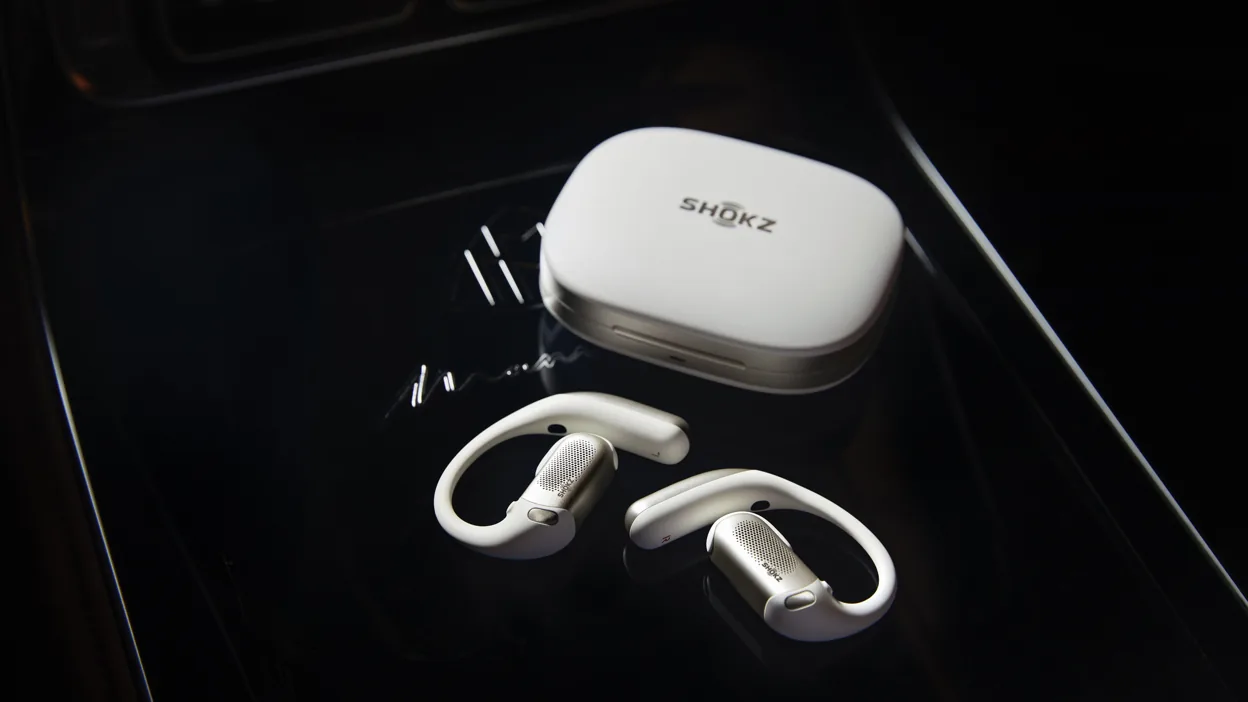
Shokz pushed its open-ear philosophy further by somehow adding effective noise cancellation, which still feels like cheating. The Shokz OpenFit Pro are the first from the brand to feature ANC
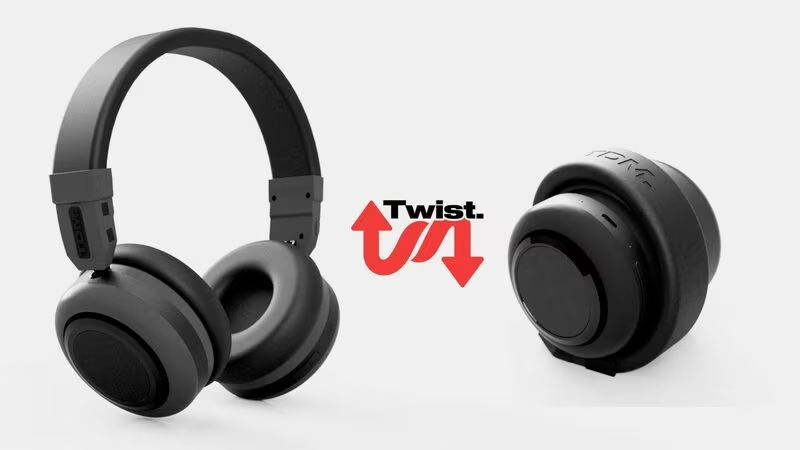
TDM’s Neo Hybrid headphones turning into a Bluetooth speaker didn’t solve an urgent need, but it nailed the “why not?” spirit that CES occasionally gets right.
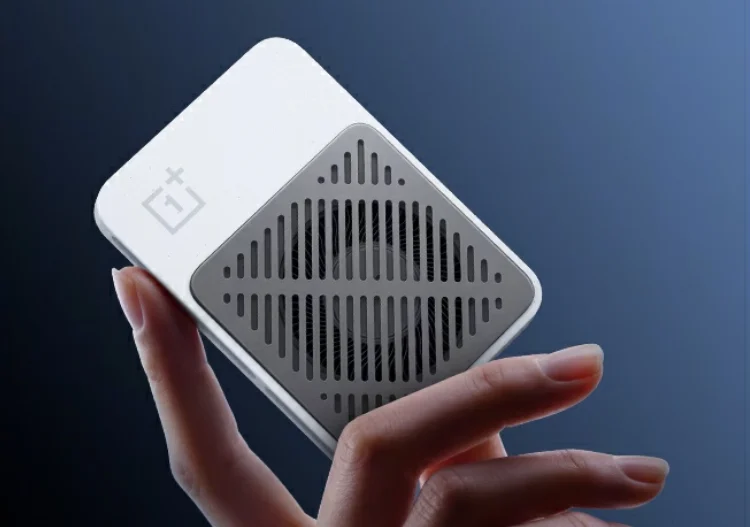
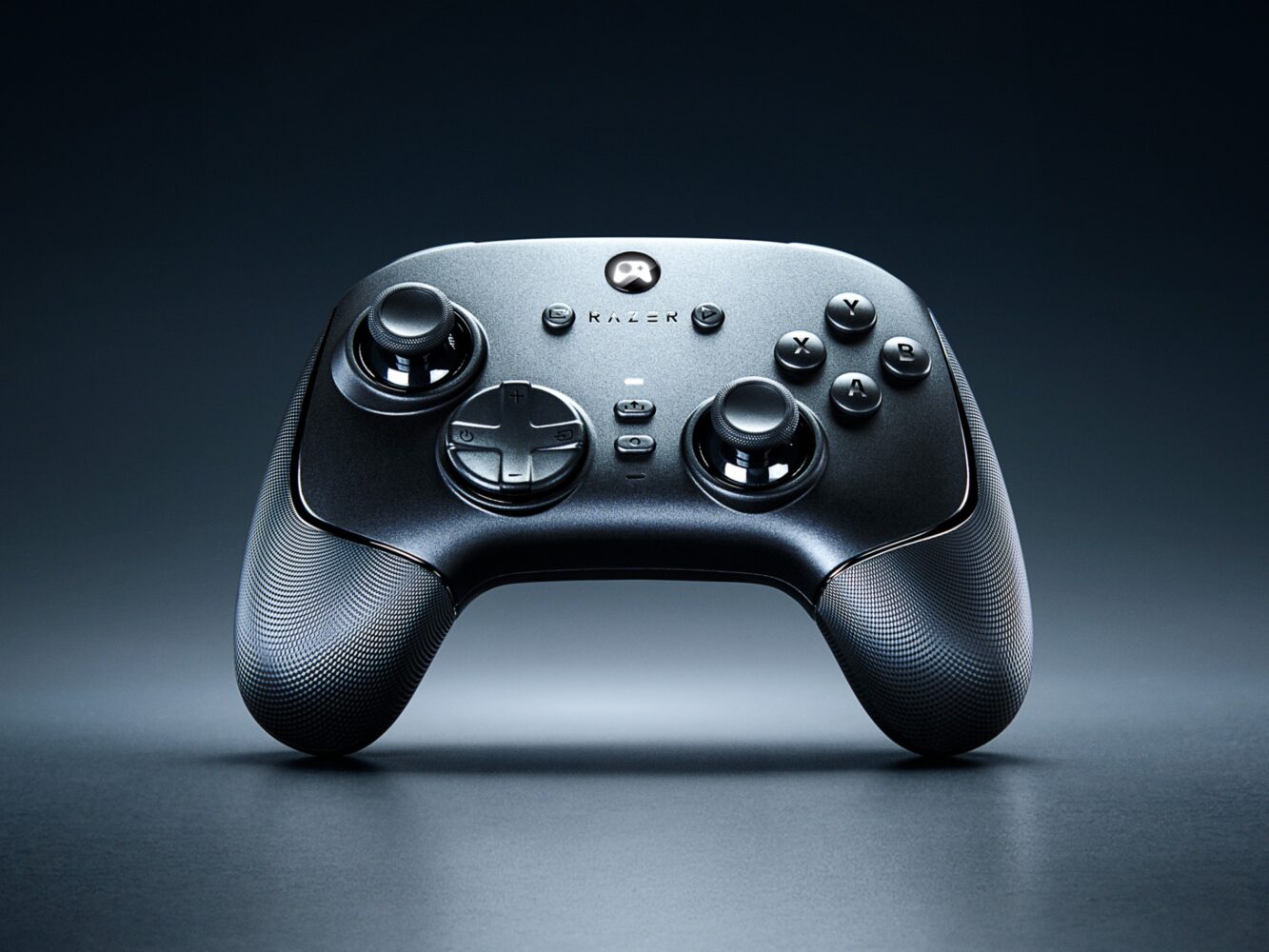
Then there were the gadgets that made CES feel like CES. A misting fan that cools without soaking you, which felt like discovering a small cheat code for summer. A gaming controller that doubles as a TV remote, because apparently that was an unsolved problem until now.
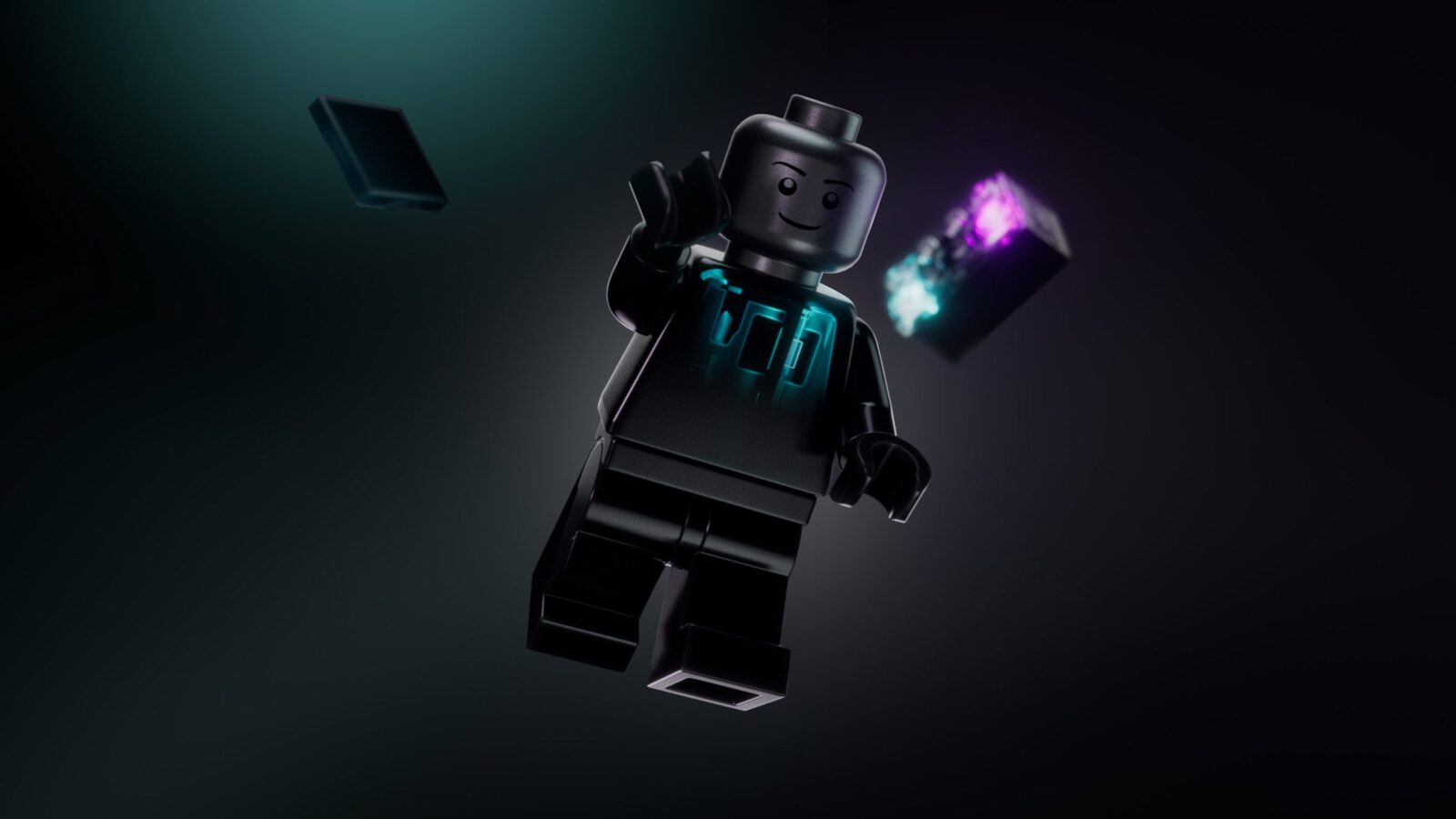
Lego introducing smart bricks with processors inside them, which feels both inevitable and slightly dangerous for parents’ wallets.
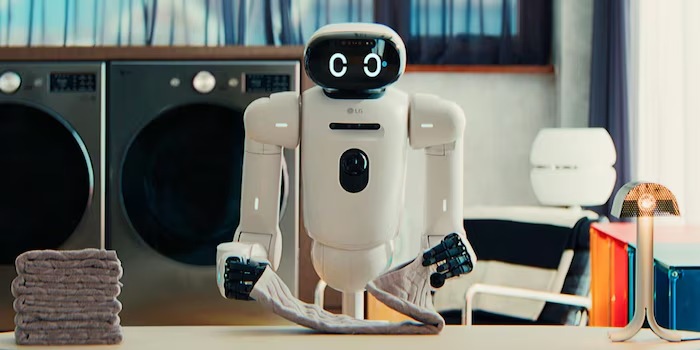
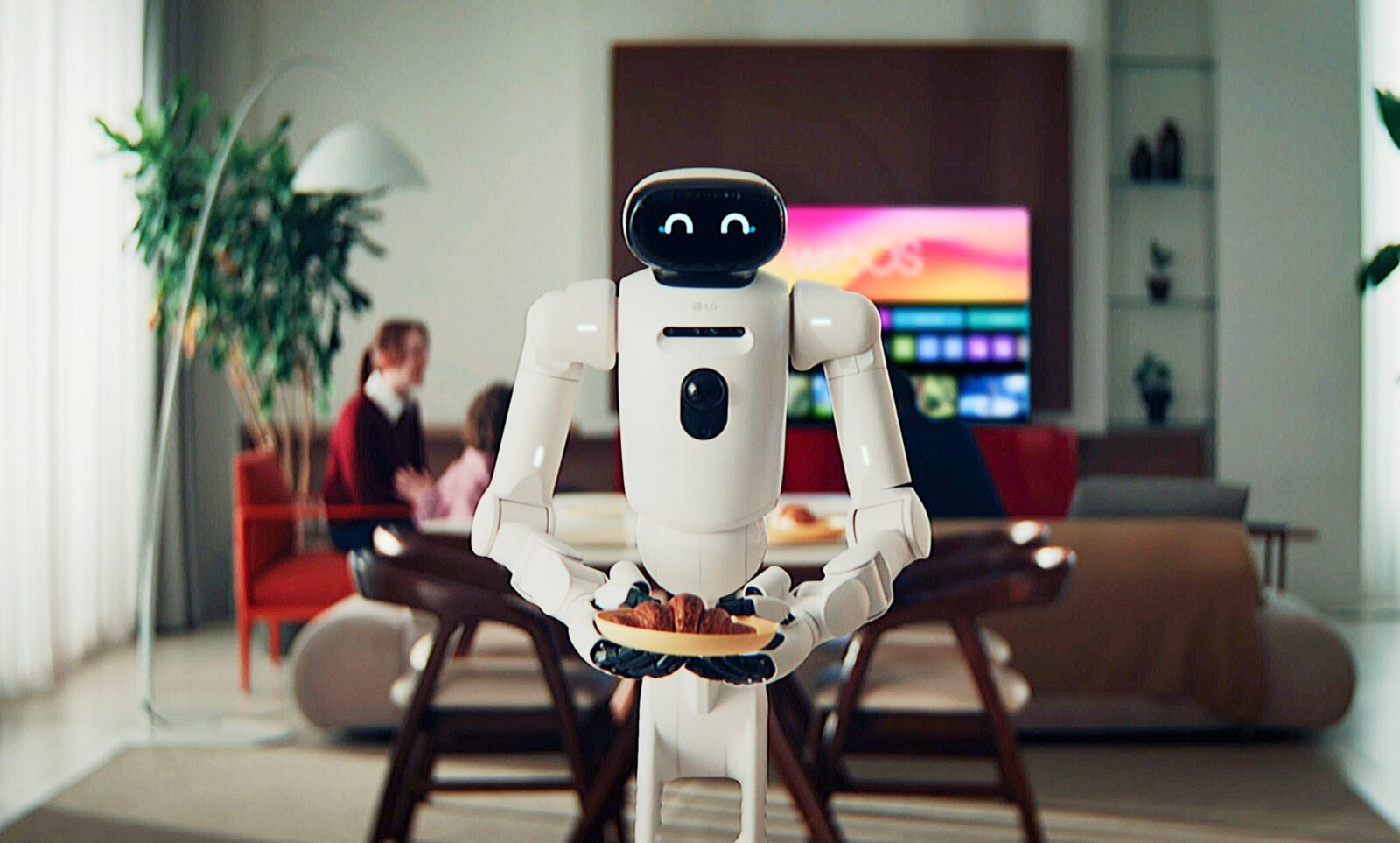
Robots were everywhere, as expected. Most were conceptually ambitious and practically distant, but LG’s CloiD prototype stood out by focusing less on spectacle and more on mundane tasks like laundry and object recognition. It didn’t promise a robot uprising or a utopian future. It just hinted, quietly, at a home where automation might actually feel helpful instead of performative.
CES 2026 didn’t deliver a single device that will redefine technology overnight. What it offered instead was a collection of thoughtful steps forward, mixed with playful experiments and a few ideas that probably won’t survive the year. Taken together, they suggest a tech landscape that’s slowly becoming more self-aware, a little less obsessed with excess, and occasionally willing to prioritize usefulness over hype. For a show this massive and chaotic, that’s a pretty solid outcome.