

Starlink has officially landed in the UAE, and for once, the hype is not entirely misplaced. But it’s also not what a lot of people think it is. This isn’t some magical fibre replacement floating down from space to give you 1 Gbps in your Downtown apartment. It’s something far more specific—and in the right scenarios, far more powerful.

What Starlink really does is redraw the map of connectivity. Places that were previously stuck with unstable 4G routers, patchy signals, or no internet at all suddenly get access to something that feels like proper home broadband. Farms, desert camps, construction sites, offshore setups—these are the environments where Starlink stops being a cool gadget and starts being essential infrastructure.
Starlink
To understand whether it’s worth it, you need to look at it through that lens. Not as a competitor to e& or du in the city, but as a completely different category of internet.
What Starlink Actually Is (And Why It Feels Different)
At its core, Starlink is satellite internet, but not the old-school version that people still associate with high latency and unstable connections. The key difference is that Starlink uses low-Earth orbit satellites, which sit much closer to the planet than traditional geostationary satellites. That distance change alone transforms the experience.
Instead of your data traveling massive distances into space and back, you’re connecting to a constantly moving network of satellites overhead. The result is dramatically lower latency—low enough that video calls, streaming, and even gaming become viable.

In the UAE, this creates a new layer in the connectivity ecosystem. Fibre still dominates urban environments, delivering ultra-fast speeds and low latency. 5G fills the mobile and flexible use cases. Starlink steps in where both struggle: anywhere outside consistent infrastructure coverage.
If you’ve ever tried working from a farm or running a weekend setup in the desert using a mobile hotspot, you already understand the gap Starlink is designed to fill.
Pricing in the UAE: What You Actually Pay
Starlink’s pricing structure in the UAE is refreshingly simple, but it’s important to frame it correctly. This is not positioned as a budget alternative to traditional ISPs. It’s a premium solution for a different problem.
The entry point starts at AED 230 per month for the Residential Lite plan, while the full Residential plan comes in at AED 300 per month. Both offer unlimited data, but the distinction lies in network priority and peak performance. Lite is effectively a lower-tier access level, while the standard plan gives you better consistency, especially in busier areas.
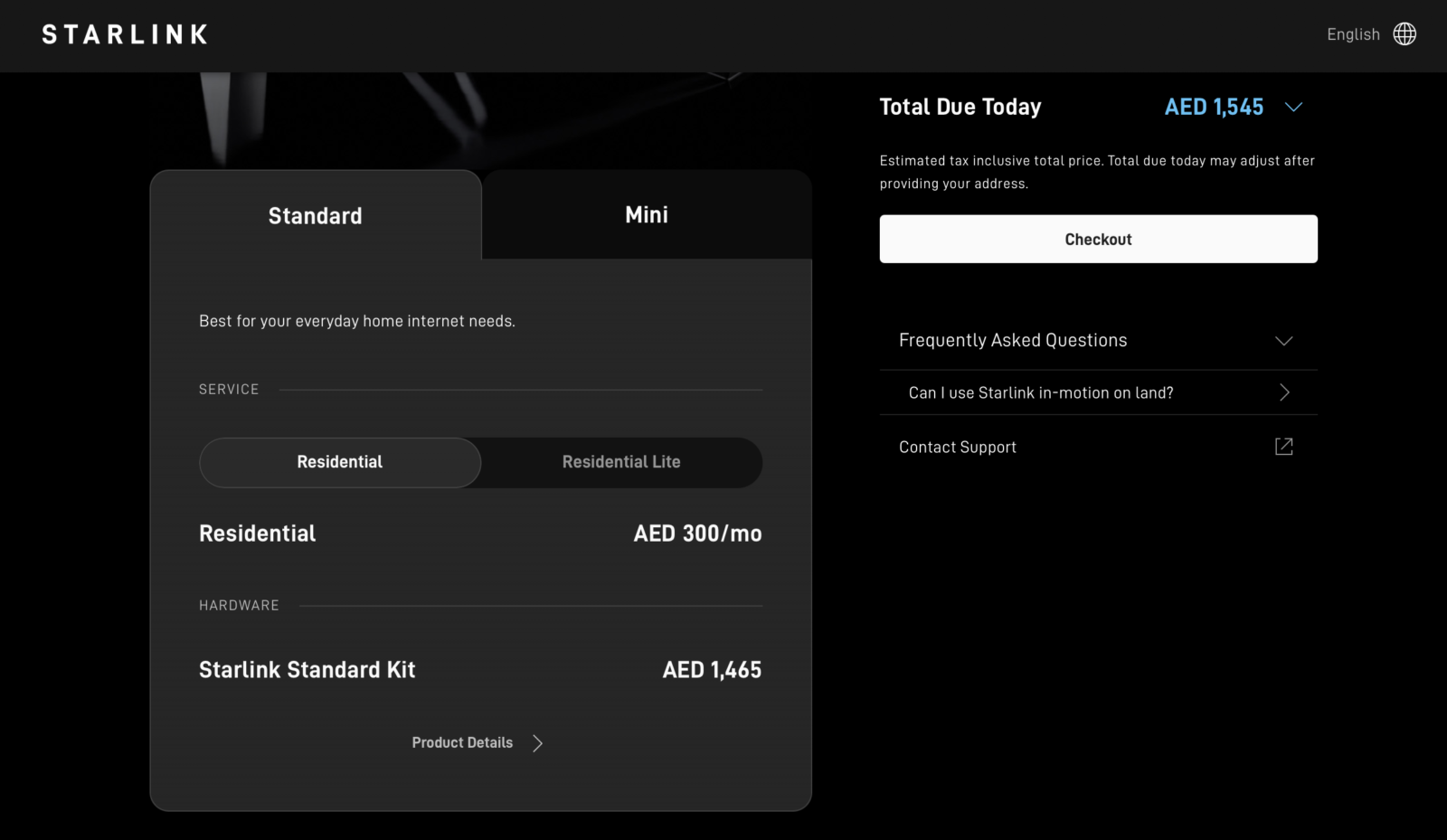
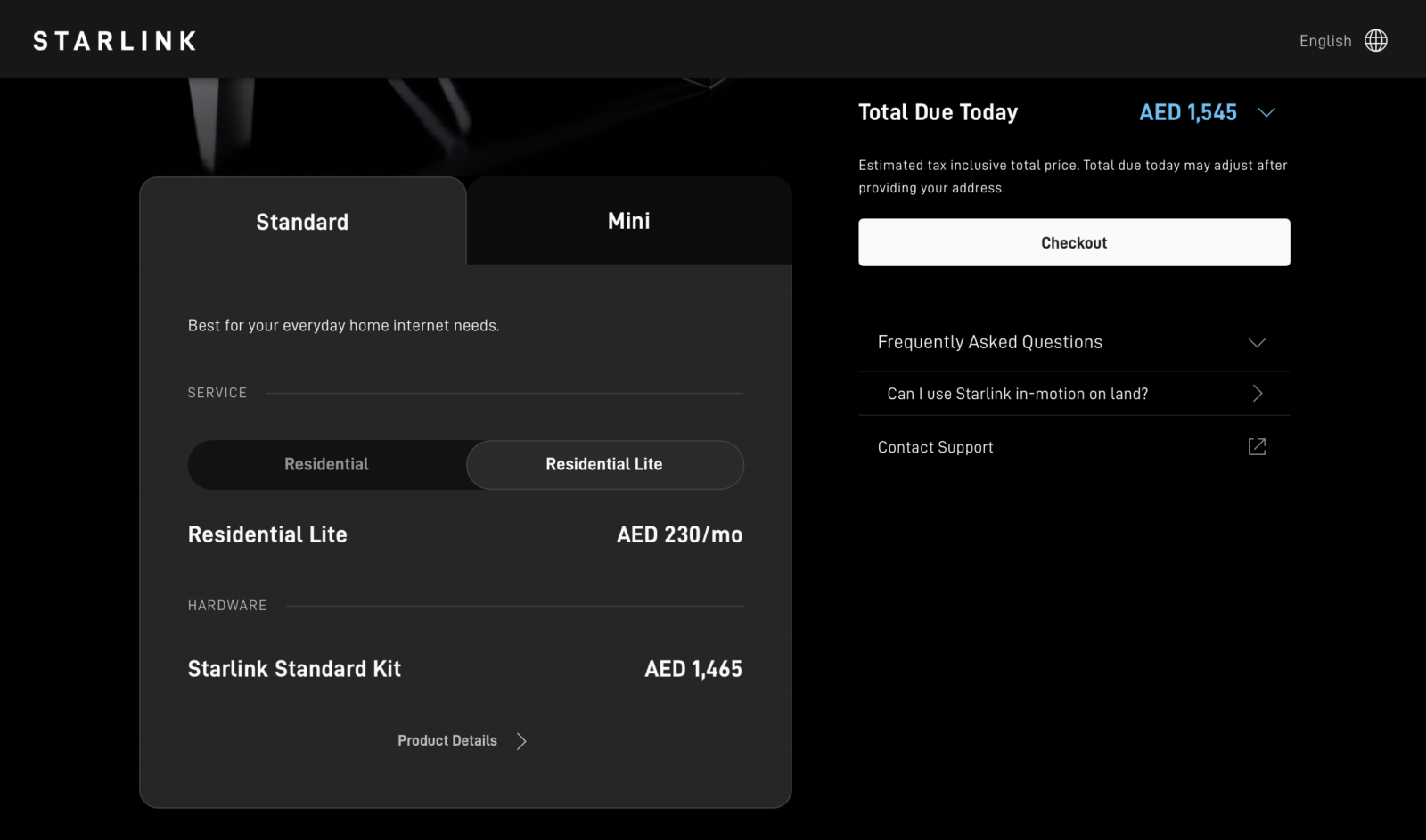
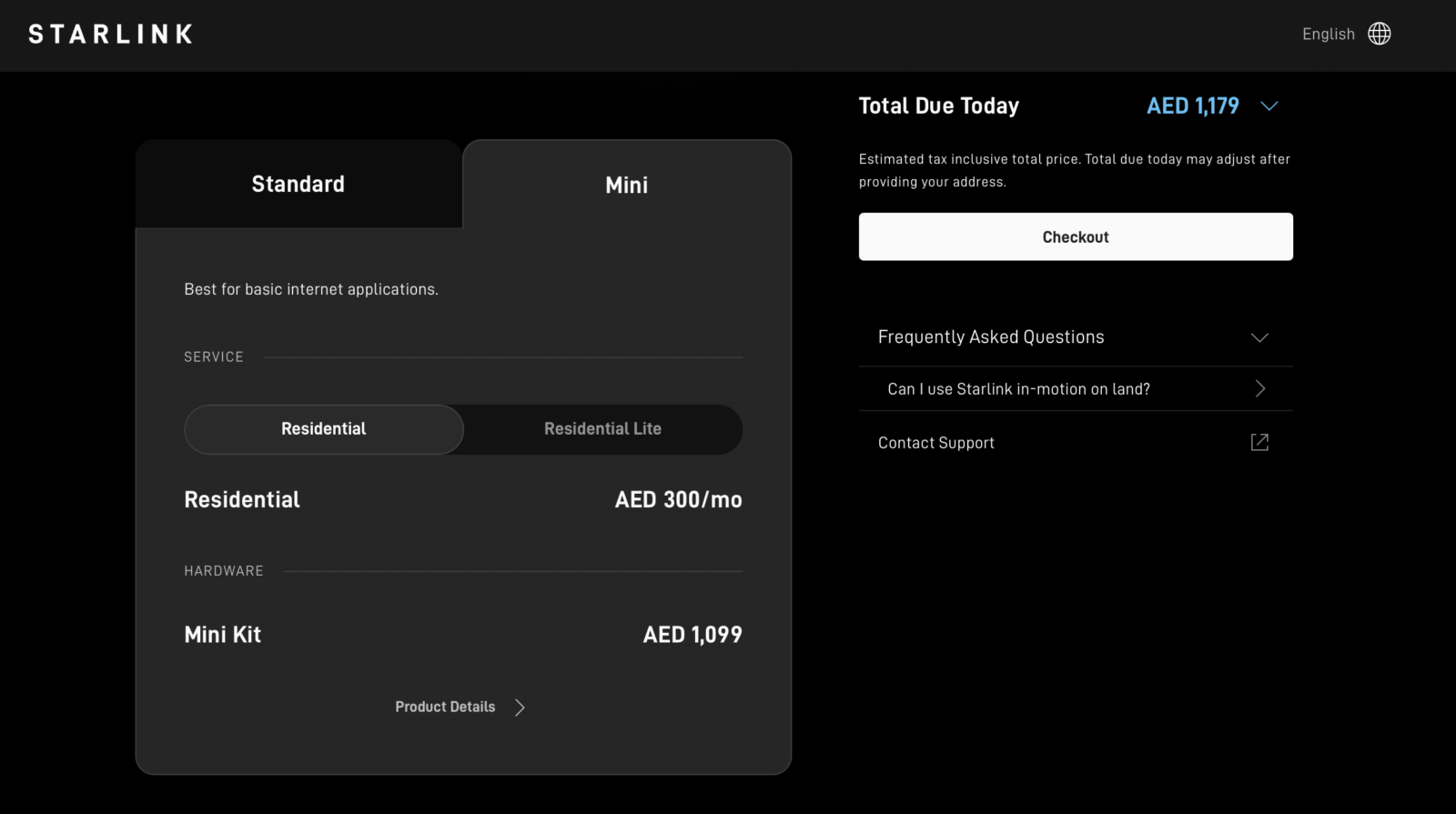
Then there’s the hardware, which is a one-time purchase. The Mini Kit starts at AED 1,099, while the Standard Kit is priced at AED 1,465. Unlike traditional ISPs that bundle routers for free, here you’re paying for a full satellite system—dish, tracking hardware, and router included.
That upfront cost can feel steep, but it makes more sense when you remember this system is designed to operate independently of any local infrastructure, often in extreme conditions.
Hardware: Choosing Between Standard and Mini
The Standard Kit is the one most people should default to. It’s larger, more powerful, and more stable under load. In practical terms, that means better performance when the network is busy, stronger signal acquisition, and fewer interruptions when conditions aren’t perfect.
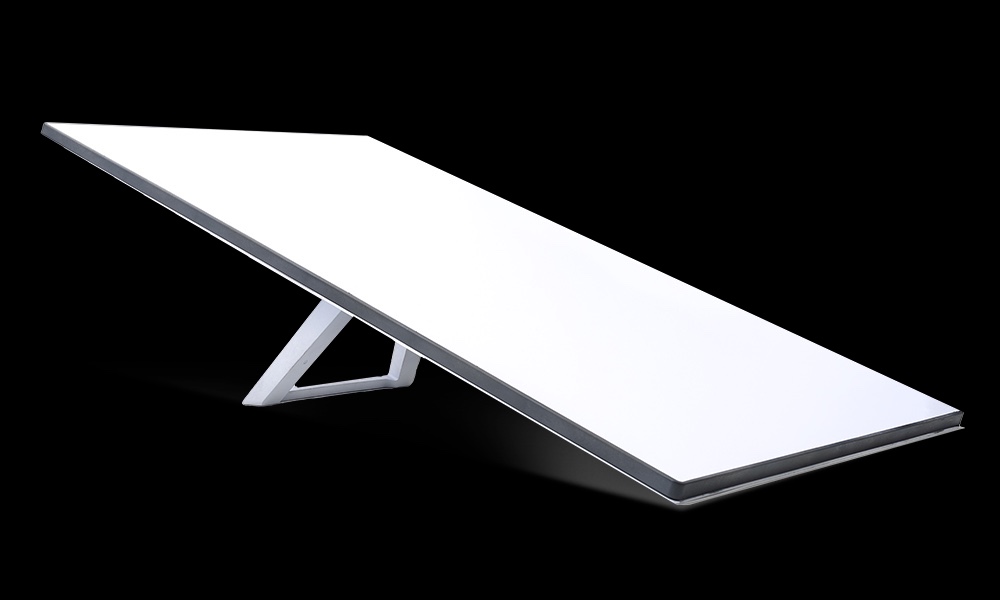
This is the version you install on a villa rooftop, a farm structure, or an office building. It’s built for permanence. Once it’s mounted correctly and aligned, it becomes a reliable, always-on connection.
The Mini Kit is where Starlink starts to feel like a gadget again—in a good way. It’s smaller, lighter, and far easier to move around. You sacrifice some performance and resilience, but in exchange you get flexibility.
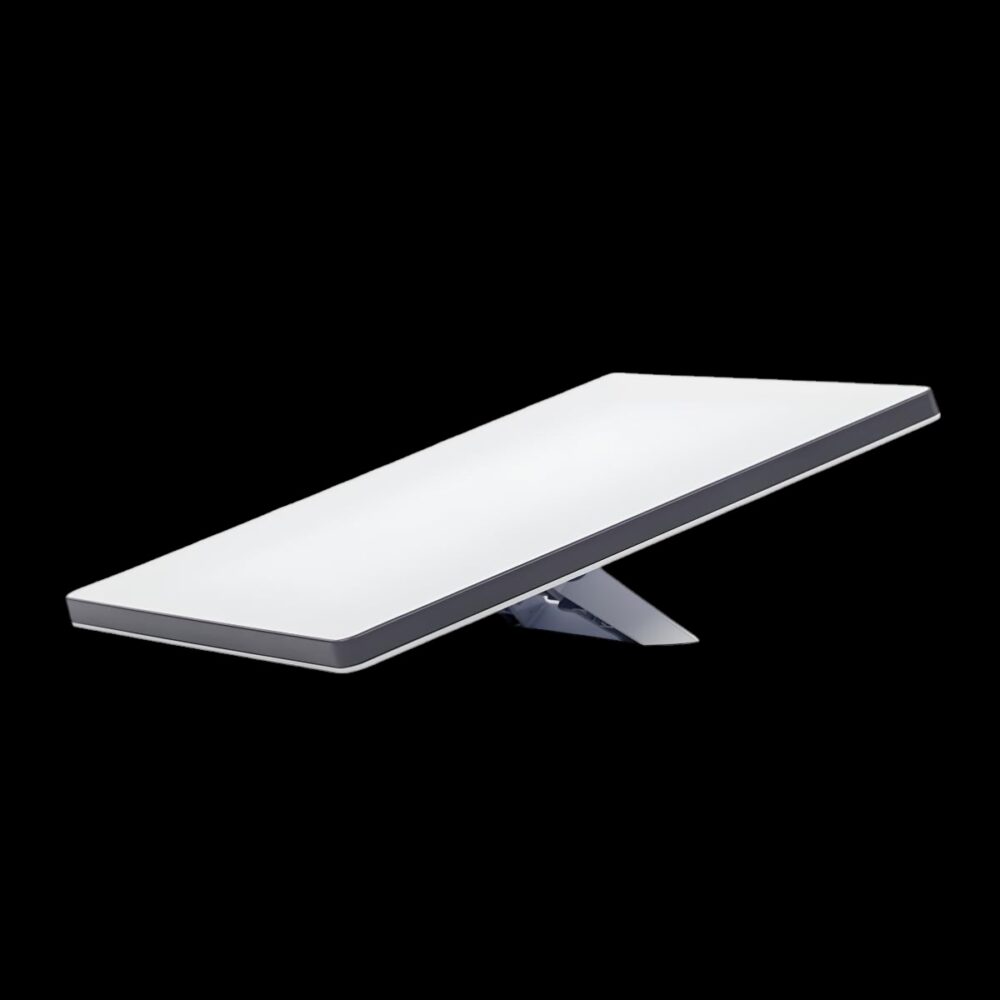
This is the setup for desert trips, overlanding, temporary camps, and mobile use cases. If your internet needs move with you, the Mini makes a lot of sense. If your connection is fixed, the Standard Kit is the smarter choice almost every time.
Roaming and Mobility: Internet That Follows You
Starlink’s Roam plans extend the concept even further by making the connection portable across regions. Instead of tying your service to one location, you can take it with you—across borders, across coastlines, and across different types of terrain.
In practical terms, this means you could drive from the UAE into Oman and maintain connectivity, provided Starlink is licensed in the region you’re entering. For people who spend significant time on the road or at sea, this is a massive shift from traditional connectivity models.
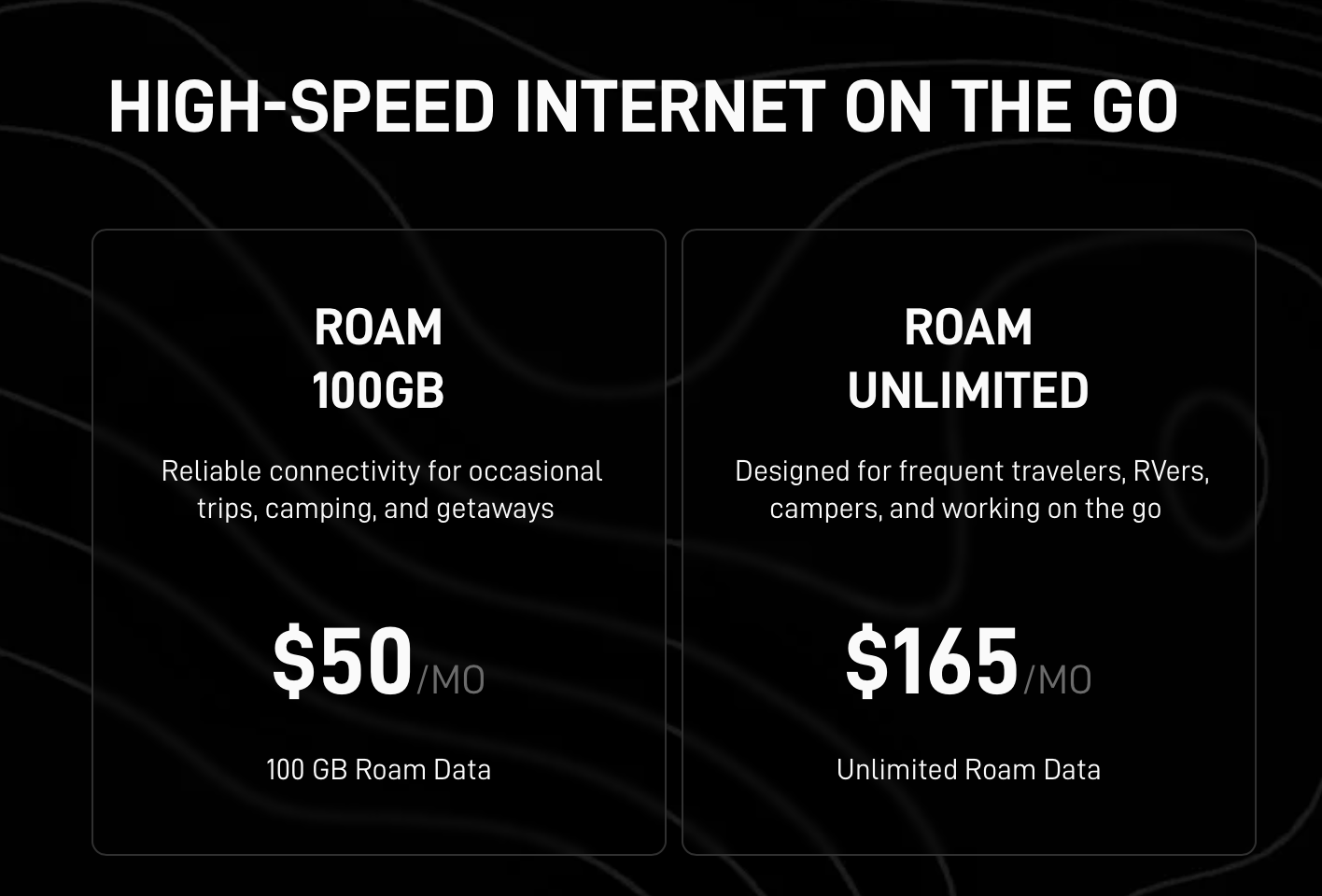
There are some caveats. Roam plans are billed in USD, so your monthly cost fluctuates slightly depending on exchange rates. They also operate at a lower network priority compared to residential plans, which means performance can dip in congested areas. And there’s a usage limitation when operating outside your registered country for extended periods.
Even with those constraints, the idea of having consistent internet independent of location is something that simply didn’t exist in this form before.
Performance: What It’s Actually Like to Use
On paper, Starlink’s speeds look solid. Residential Lite can reach around 200 Mbps download, while the standard plan pushes closer to 300 Mbps under ideal conditions. Business tiers go even higher.
Latency typically falls between 25 and 60 milliseconds. That’s not fibre-level low, but it’s more than good enough for video calls, streaming, and most online applications.
Where things get interesting is in how variable the experience can be. Starlink doesn’t operate like fibre, where your speed is relatively fixed. Performance depends on factors like network congestion, dish placement, and environmental conditions.

A well-installed dish with a clear view of the sky will deliver a stable, consistent connection. A poorly placed one with obstructions will introduce dropouts and spikes in latency. The difference between those two scenarios is dramatic, and it’s entirely within your control during installation.
Compared to fibre in Dubai or Abu Dhabi, Starlink will feel slower. Compared to unreliable mobile internet in remote areas, it feels like a completely different world.
Installation: Simple on Paper, Critical in Practice
Starlink is designed for self-installation, and technically, it’s straightforward. You assemble the dish, connect it to the router, power it on, and let it align itself.
But the real work is in choosing the right location.
The dish needs a clear, unobstructed view of the sky. In the UAE, that usually means positioning it with minimal interference from buildings, trees, or structures. Even partial obstruction can lead to noticeable performance issues, especially during satellite handoffs.

The Starlink app plays a crucial role here. It allows you to scan your environment and identify potential obstructions before committing to a mounting point. Ignoring that step is one of the most common mistakes new users make.
Once installed correctly, the system is remarkably hands-off. It tracks satellites automatically and maintains alignment without manual intervention.
Content Restrictions: The Reality Check
One of the biggest misconceptions around Starlink is that it somehow bypasses local internet restrictions. It doesn’t.
Despite being delivered via satellite, Starlink operates within the UAE’s regulatory framework. That means the same rules that apply to traditional ISPs still apply here.
Approved services like Zoom, Microsoft Teams, and Google Meet work as expected. However, unlicensed VoIP services, such as WhatsApp calling, remain restricted. Content filtering also follows the same general patterns seen on other networks in the country.
Starlink changes how the data reaches you, not the legal environment surrounding it.
Starlink vs Traditional ISPs in the UAE
The comparison between Starlink and providers like e& or du only makes sense when you consider the context.
In cities, fibre remains unmatched. It offers higher speeds, lower latency, and better integration with bundled services like TV and mobile plans. For most urban users, it’s still the best option.
Starlink excels where fibre and reliable 5G don’t exist. It provides consistent connectivity in areas that were previously underserved or entirely disconnected. It also introduces a level of independence from local infrastructure that traditional ISPs can’t offer.
A simple way to think about it is this: fibre is still king where it’s available. Starlink becomes essential where it isn’t.

Who Should Actually Consider Starlink
Starlink makes the most sense for people who operate outside the typical coverage zones. If your work or lifestyle regularly takes you into remote areas, or if your home sits beyond the reach of stable fibre and mobile networks, it becomes an incredibly compelling option.
It’s equally valuable for businesses running remote operations—construction sites, resorts, offshore platforms—where reliable connectivity is critical but difficult to achieve.
On the other hand, if you already have a stable, high-speed fibre connection in a city environment, Starlink is more of a luxury or backup than a necessity. It’s not designed to replace what you already have in that scenario.
Final Verdict: What Starlink Really Brings to the UAE
Starlink isn’t here to compete with fibre. It’s here to fill the gaps fibre never reached.
And that’s what makes it interesting.
For the first time, having “real internet” is no longer tied to your location within a city grid. Whether you’re in the middle of the desert, on a boat off the coast, or running a remote site, the experience can feel surprisingly close to what you’d expect at home.
Starlink
It’s not perfect. It’s not always the fastest. And it definitely isn’t cheap.
But in the right context, it’s one of the most important connectivity upgrades the UAE has seen in years.