

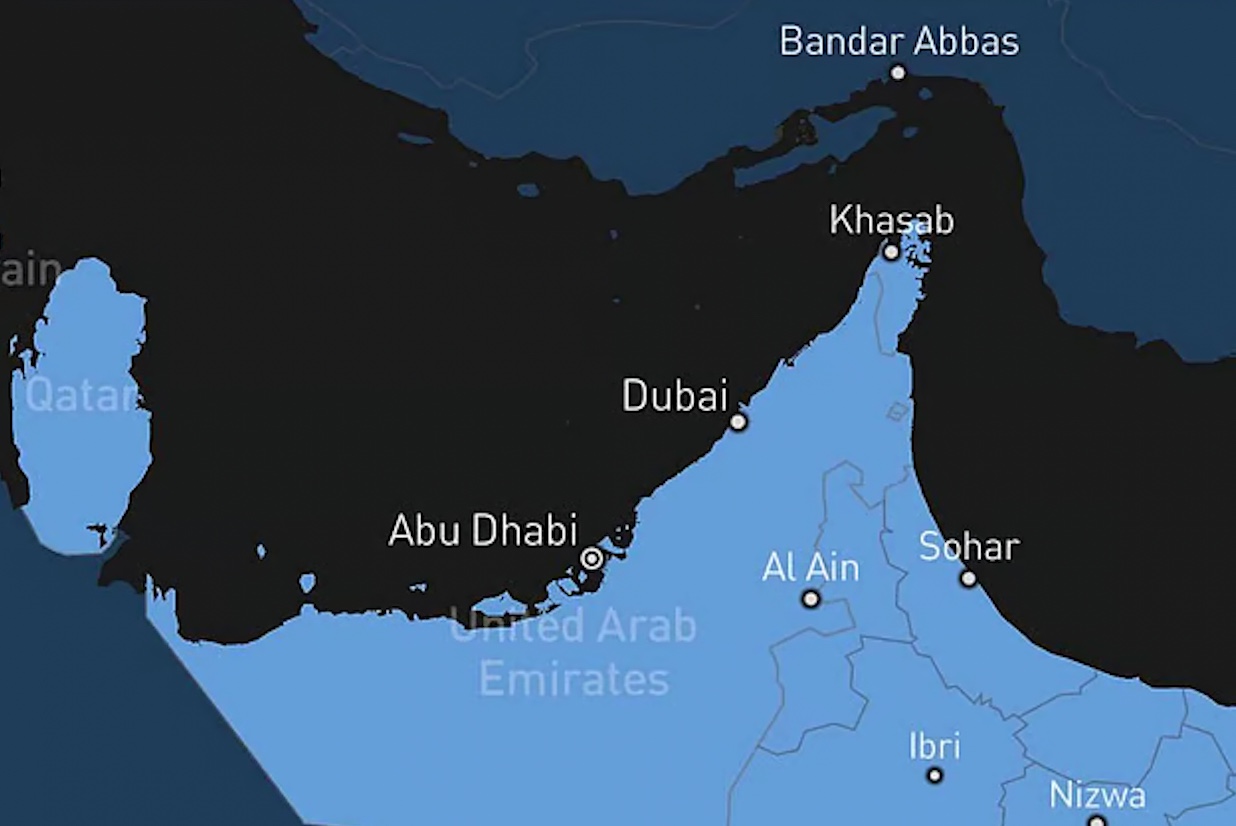
Starlink, developed by SpaceX and backed by Elon Musk, is now officially available in the United Arab Emirates, adding a satellite-based option to a market largely dominated by fibre and mobile networks.
The service is launching with two residential plans. The standard Residential tier is priced at AED 300 per month, while the lower-cost Residential Lite plan comes in at AED 230 monthly. Business plans are also available, starting at around AED 248 per month. These prices place Starlink within the mid-to-premium range of home internet services in the UAE, though the comparison is not entirely direct given the differences in how the service operates.
Unlike providers such as Etisalat and du, which rely on fibre-optic and mobile infrastructure, Starlink delivers connectivity through a network of low-Earth orbit satellites. This allows it to function in locations where traditional infrastructure is limited or unavailable, including desert areas, offshore sites, and temporary installations.
There is a significant upfront cost tied to the hardware required to access the service. In the UAE, the Standard Kit is priced at Dh1,465, while the more portable Mini Kit costs AED 1,099. Both include the satellite dish, Wi-Fi router, and necessary cables. This is a notable difference from traditional providers, which typically bundle routers at no additional cost. The trade-off is that Starlink’s equipment enables independent connectivity without relying on fixed lines.
Starlink also offers Roam plans designed for users who need internet across multiple locations. When converted to AED, these plans are approximately priced at AED 185 per month for 100GB and around AED 605 per month for an unlimited option. These are aimed at mobile use cases such as travel, remote work setups, or operations that move between regions.
In terms of performance, Starlink is not necessarily positioned to outperform fibre connections in urban areas, where Etisalat and du continue to offer faster speeds and better overall value. Instead, its advantage lies in coverage flexibility. The service works anywhere with a clear view of the sky, making it more relevant for users outside major urban centers or those needing a backup connection.
For most UAE residents, Starlink is likely to serve as a complementary option rather than a primary replacement for existing broadband. It may appeal to users in remote areas, businesses requiring redundancy, or individuals who need portable connectivity. For typical city-based households with access to fibre, the higher upfront hardware cost and monthly fees may be harder to justify.
Starlink is currently available through direct purchase, with setup handled by the user. Installation requires a clear line of sight to the sky and basic positioning of the dish, but does not typically require professional assistance.
Overall, Starlink’s arrival in the UAE broadens the country’s connectivity landscape. While it may not disrupt established providers in urban environments, it introduces a flexible alternative for scenarios where traditional networks are less effective.