
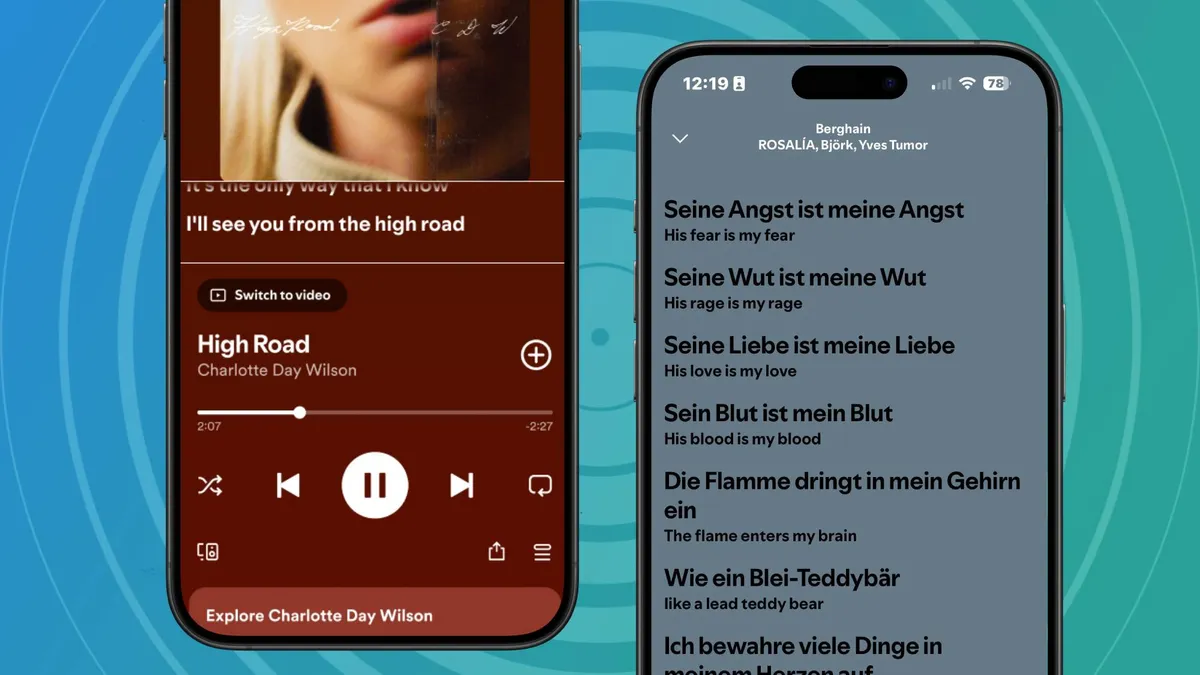
Spotify is rolling out a set of three updates to its Lyrics feature, a long-standing part of the platform that has seen relatively modest evolution since its launch five years ago. The changes focus on accessibility and usability rather than reinvention, but together they signal a more practical approach to how listeners actually use lyrics while streaming music.
The most significant addition is lyric translations, a feature that has been tested quietly in more than 25 markets over the past year and is now being released globally. This allows listeners to view translated lyrics directly within the app while a song plays, removing the need to rely on external translation tools. For audiences who regularly listen to music in languages they do not speak fluently, this closes a noticeable gap in Spotify’s feature set. Artists with large international followings, such as Rosalía and Bad Bunny, are often cited as examples of where lyric translations add clear value. Spotify first experimented with the feature around the release of Rosalía’s album Lux, but access was limited at the time.
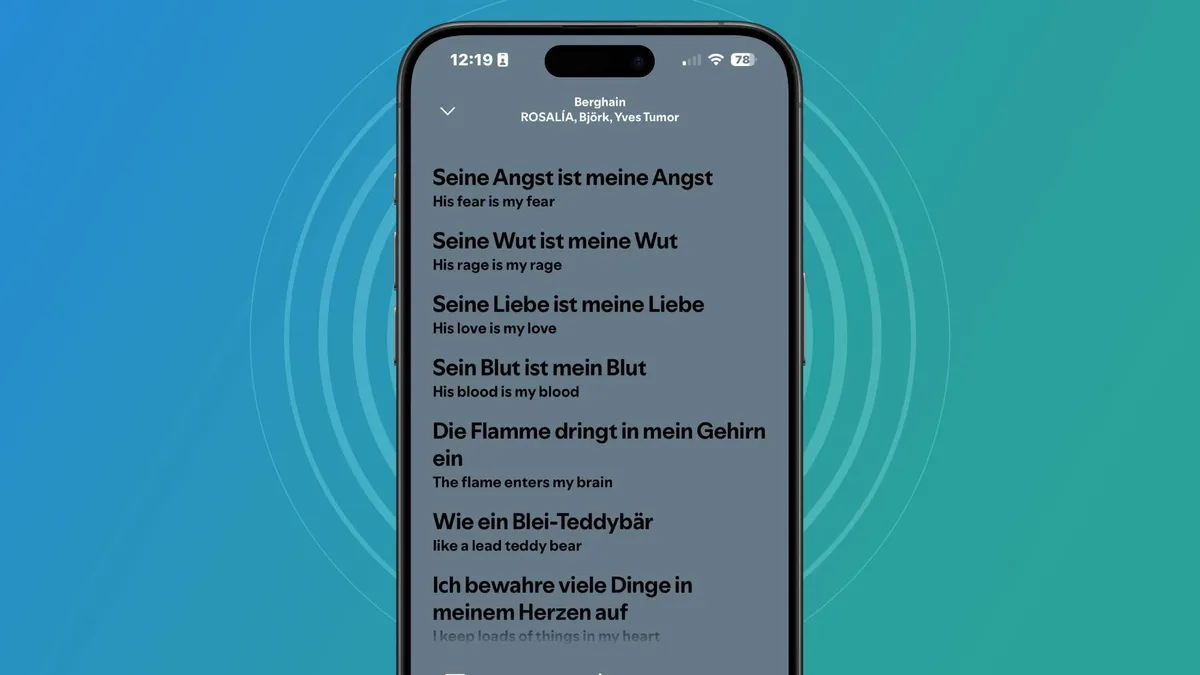
The move also brings Spotify closer to parity with Apple Music, which introduced its own built-in lyric translation tool several months earlier. While Spotify was slower to act, the broader rollout suggests the company now views translations as a baseline expectation rather than an optional enhancement.
The second update is more practical than flashy. Premium subscribers will now be able to access lyrics while listening offline, whether during flights, underground commutes, or in areas with unreliable service. Previously, lyrics disappeared as soon as a connection was lost, which made the feature inconsistent for users who download music specifically to avoid streaming interruptions. Offline lyrics do not introduce new functionality, but they remove a long-standing limitation that many users found unnecessary.
The third change affects placement rather than capability. Lyrics are being moved into a dedicated tab within the Now Playing view, giving them a more visible and intuitive position during playback. Instead of sitting beneath the playback bar, lyrics now appear front and center, scrolling in sync with the music as before but without requiring extra taps or navigation.
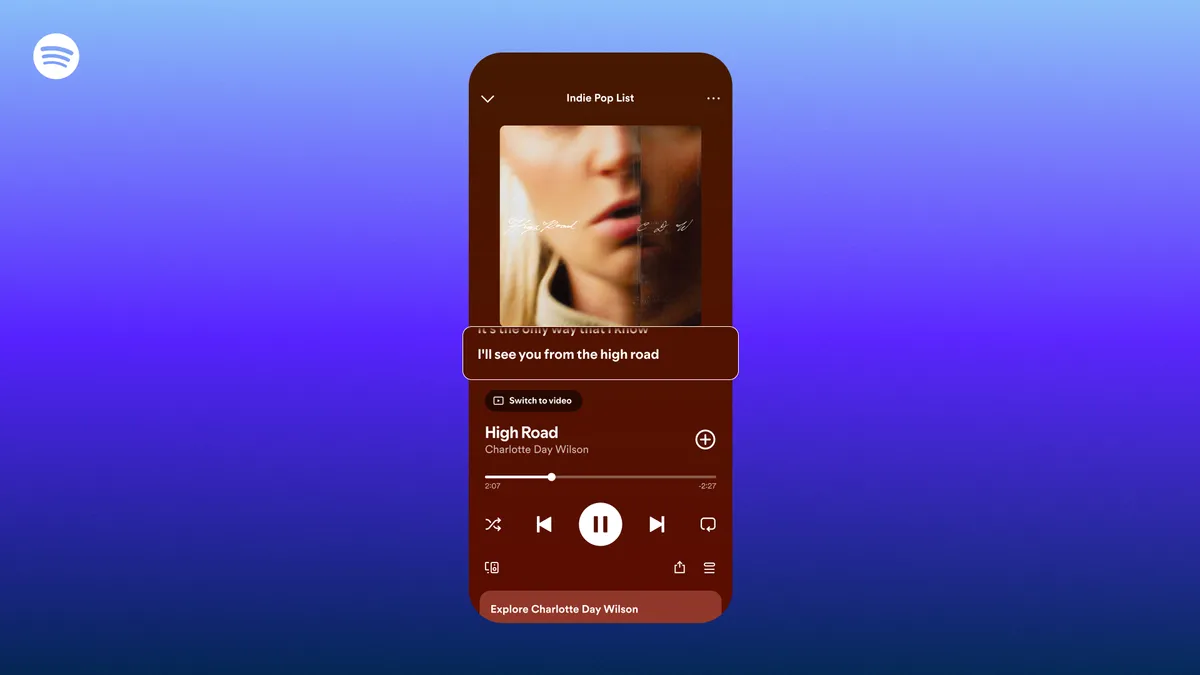
Taken together, these updates do not radically change how Spotify works, but they address weaknesses that have existed for years. The lyrics feature still faces technical issues, particularly around synchronization accuracy, and those remain unresolved. Still, the latest changes suggest Spotify is finally treating lyrics as a core listening tool rather than a secondary add-on.