

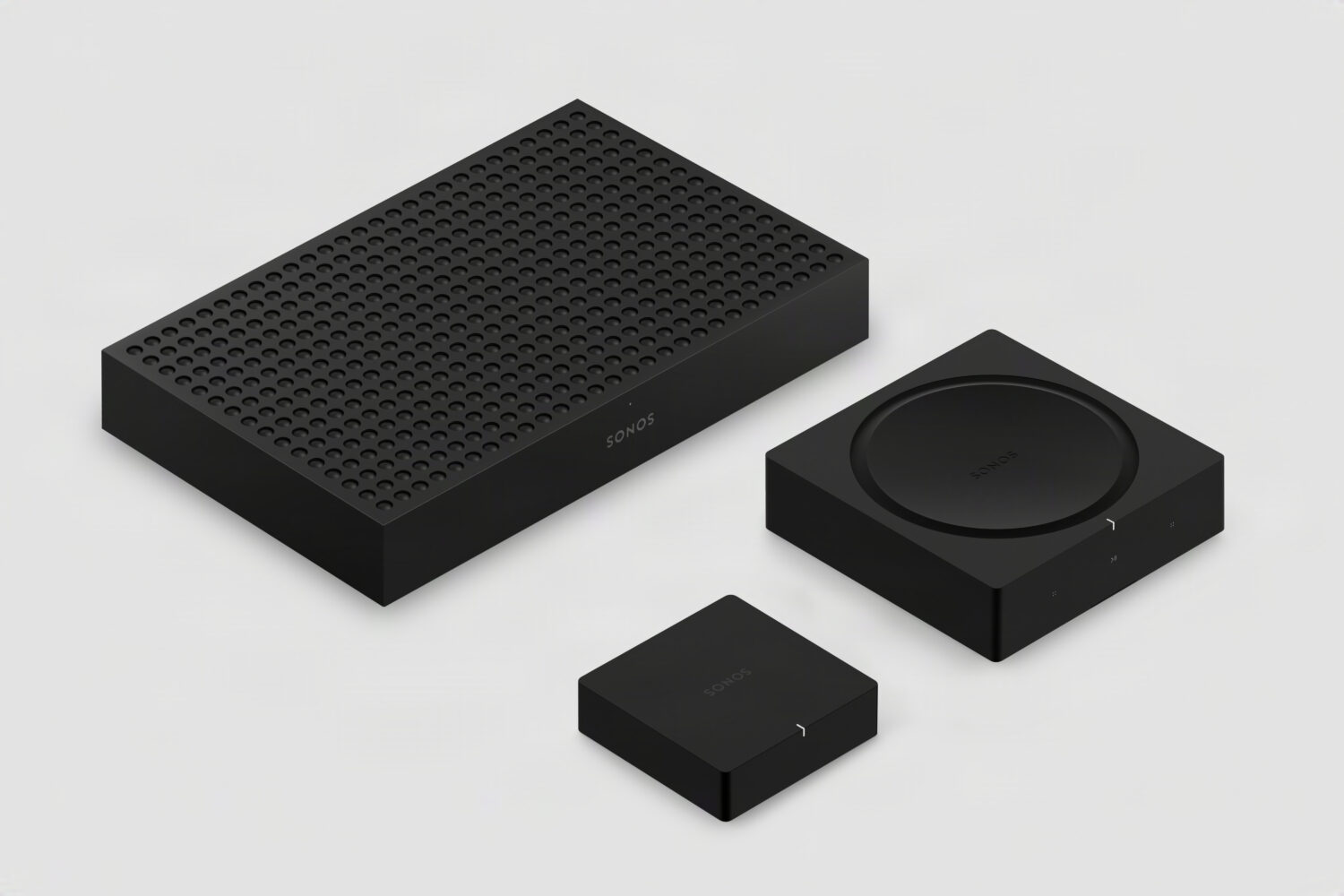
As residential architecture continues to shift toward open floor plans and multi-purpose living spaces, audio systems are being pushed to cover more ground without becoming harder to manage. According to Sonos, this demand is coming less from homeowners directly and more from the custom integrators responsible for designing and maintaining complex residential installations. Amp Multi, the company’s latest professional-focused product, is intended to address those requests by scaling the familiar Sonos platform into larger, multi-room environments while keeping deployment predictable.
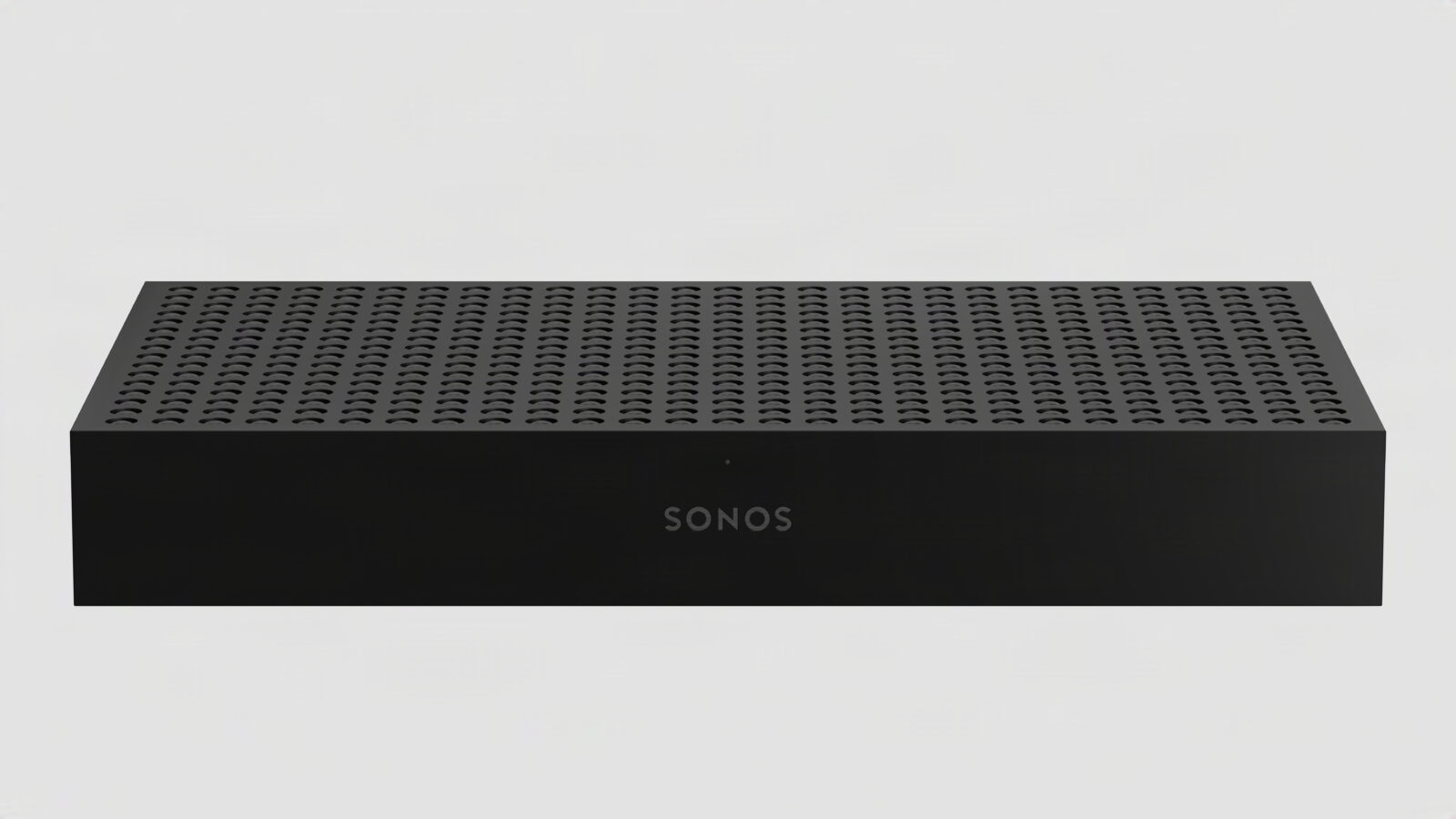
Amp Multi is positioned squarely for the custom installation market rather than direct retail buyers. It extends Sonos’ existing amplification approach by consolidating multiple zones into a single, rack-friendly unit designed to operate as part of larger systems. Each unit provides eight amplified outputs rated at 125 watts into 8 ohms, with the ability to configure those outputs across up to four independent zones. Integrators can assign any output to any zone and expand systems simply by adding more units, a design choice that prioritizes modular growth over one-off customization.
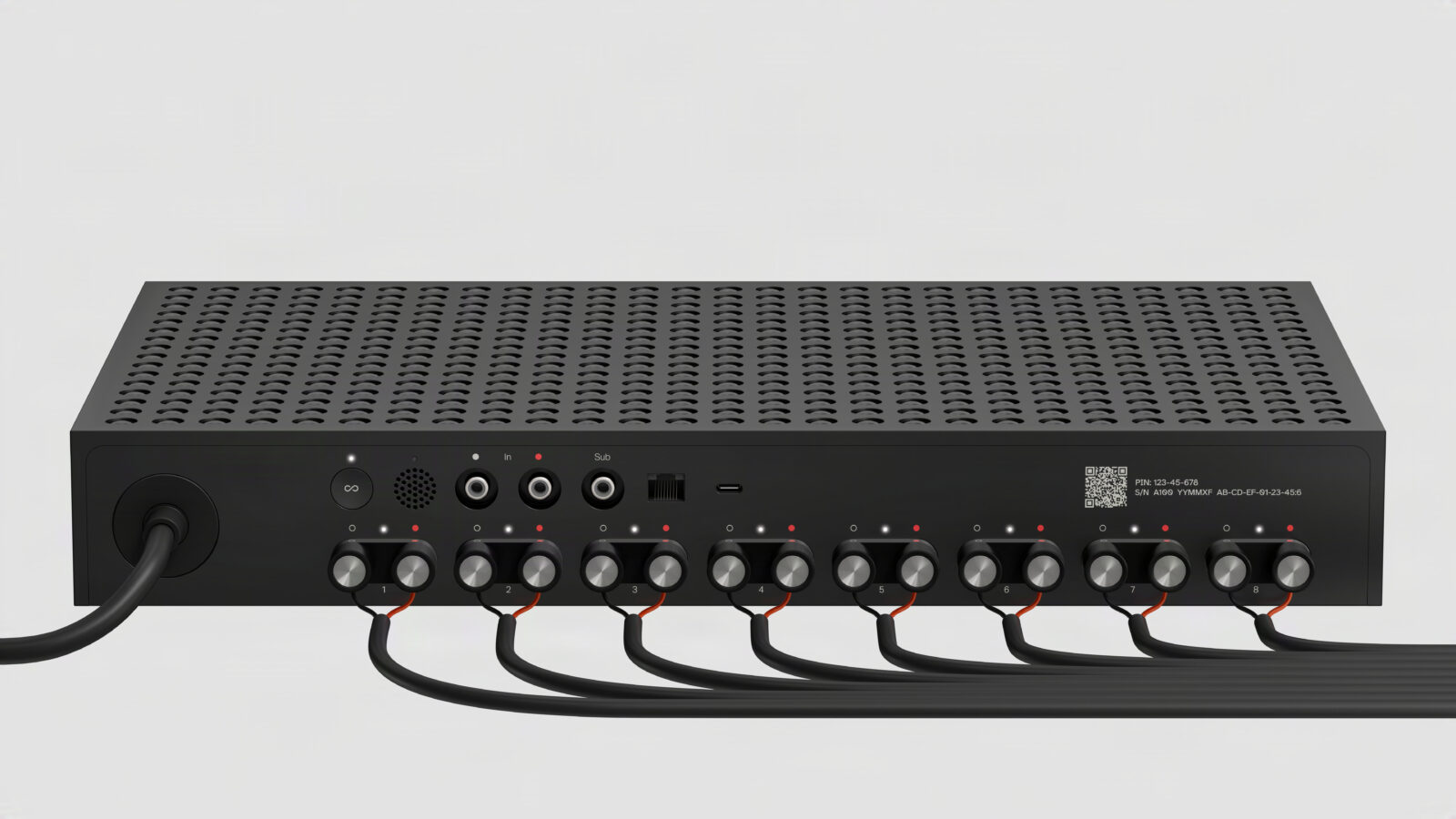
Speaker density is another area where Amp Multi targets professional use cases. Each output can drive up to three Sonos Architectural speakers, allowing a single unit to support as many as 24 speakers across multiple rooms or shared spaces. This approach reduces the number of amplifiers required in larger homes while keeping wiring and system management centralized. Sonos says the goal is to allow higher channel counts without compromising system stability or long-term reliability.
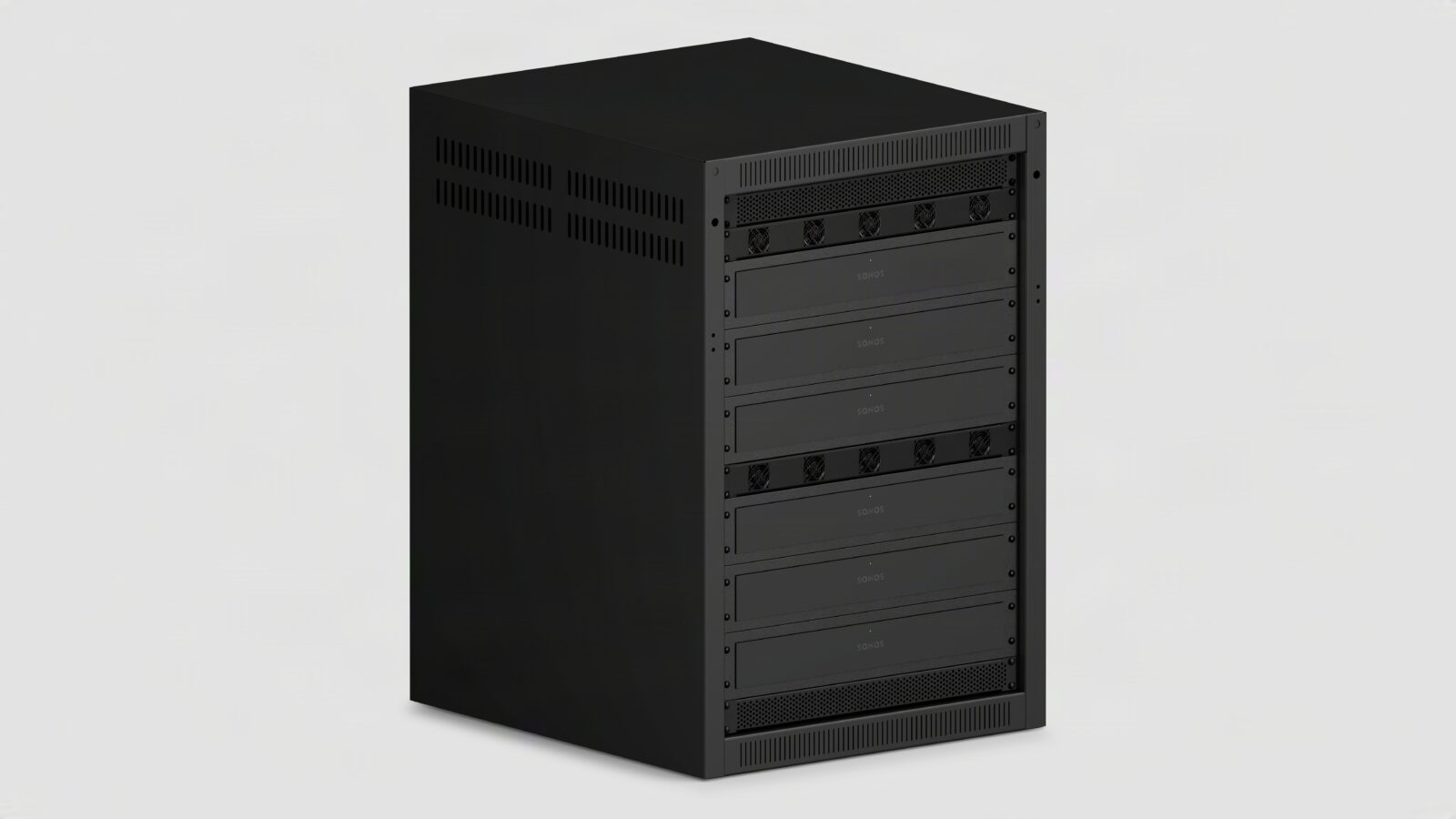
From a hardware perspective, Amp Multi relies on a gallium nitride power architecture paired with a Class-D design using post-filter feedback. The practical benefit of this configuration is improved efficiency and thermal control, enabling fanless operation in rack environments where noise and heat buildup are ongoing concerns. Rather than emphasizing peak loudness, the design focuses on consistent performance over long operating periods.
Setup and maintenance are also areas where Sonos has tried to reduce friction. Each Amp Multi unit can emit a unique audible signal triggered through the Sonos app, helping installers quickly identify specific hardware in crowded racks without manual labeling or serial number checks. The same app is used to manage zones, sources, and outputs, while homeowners retain access to the standard Sonos control experience once installation is complete.
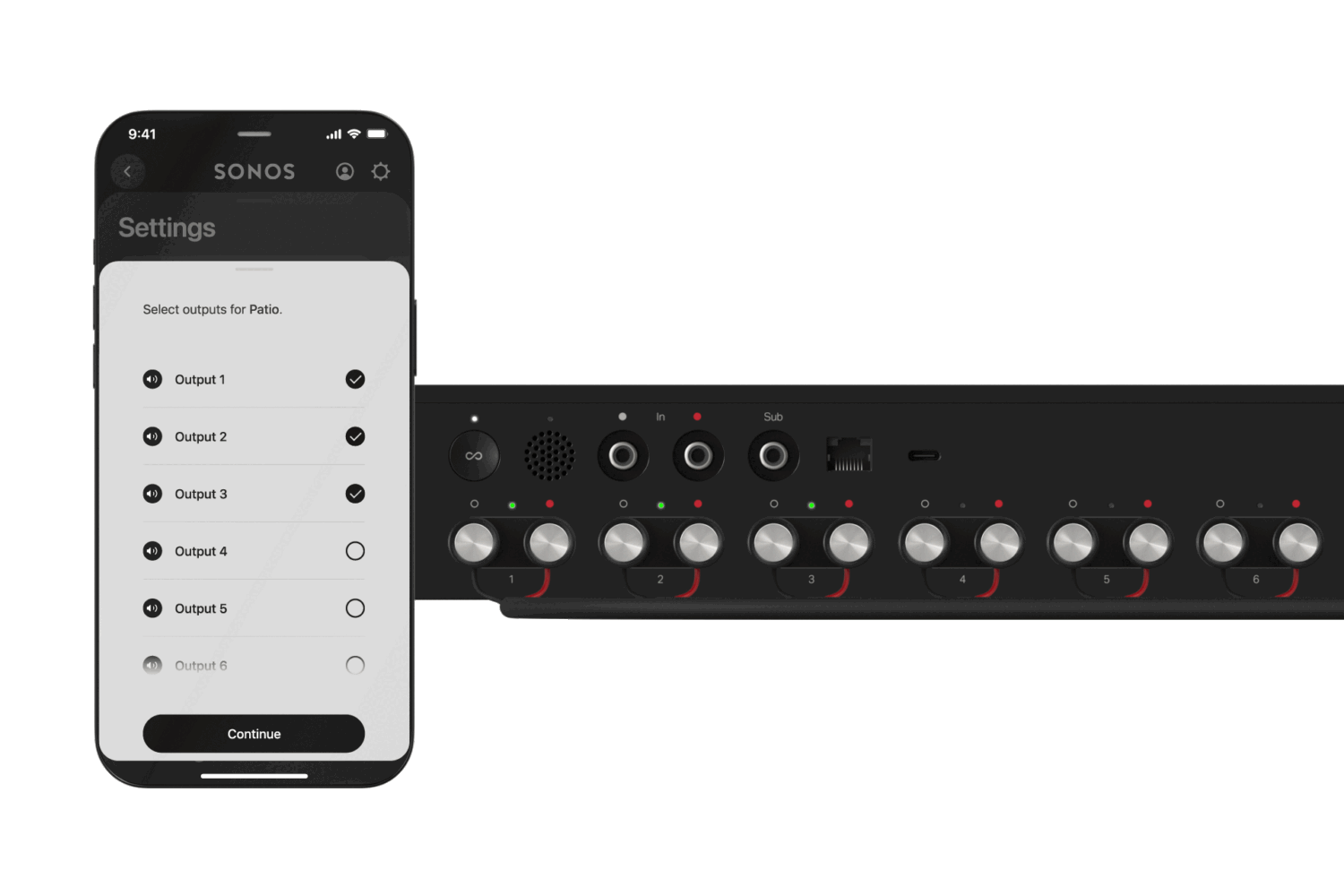
Amp Multi also introduces ProTune, a set of manual tuning tools aimed exclusively at integrators. These include per-output parametric equalization, gain control, stereo width adjustment, and delay offsets, all intended to compensate for challenging room layouts or unconventional speaker placement. Additional DSP profiles are available for Sonos Architectural speakers, allowing for more precise alignment between hardware and room acoustics.
Physically, the unit is designed to fit modern rack standards. The 1.5U chassis, combined with an optional 2U rack mount, creates built-in ventilation spacing without requiring extra panels. Recessed connectors and a flat-back design allow the unit to stand upright during installation, simplifying cable routing and reducing install time.
Amp Multi is expected to be available globally through Sonos installation partners in the coming months. Rather than redefining residential audio, the product reflects a measured expansion of Sonos’ ecosystem into larger, professionally managed homes where scalability and predictability matter more than novelty.