

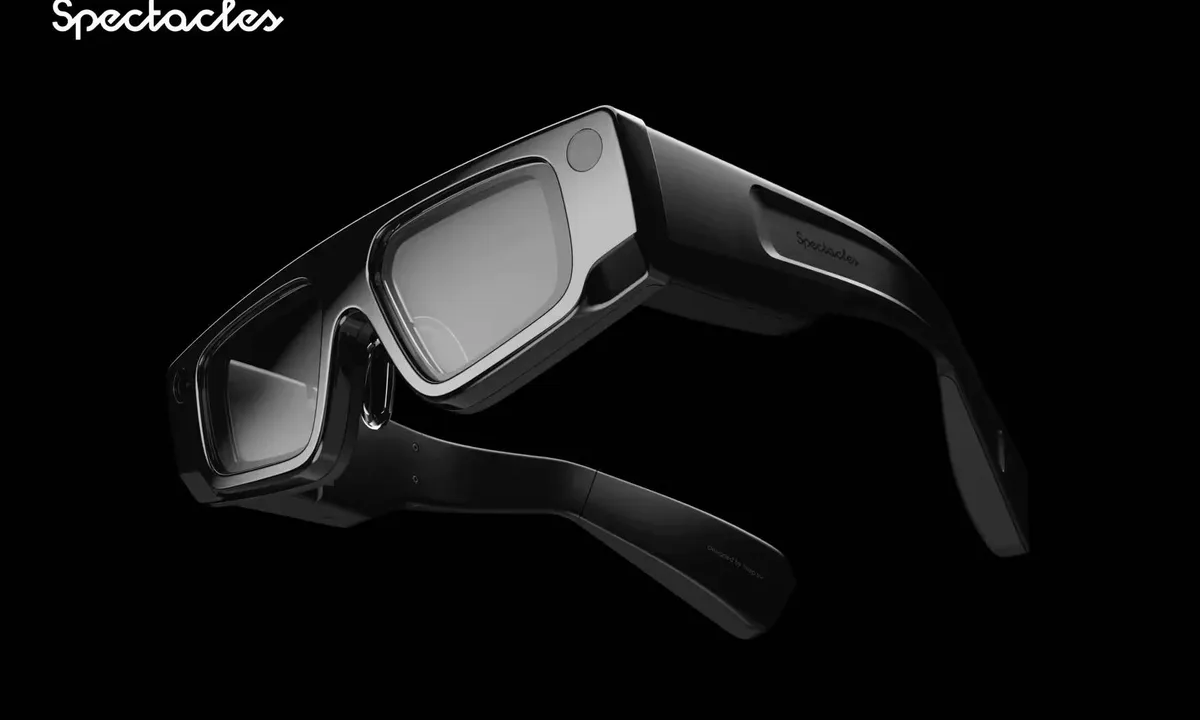
Snap has deepened its long-running partnership with Qualcomm through a multi-year strategic agreement that will see future generations of its AR glasses powered by Snapdragon XR platforms. The deal, described by Snap as the first flagship engagement for its Specs Inc subsidiary, aims to provide the hardware foundation for more capable augmented reality wearables expected later in 2026.
Under the agreement, Snapdragon chips will handle edge AI processing, on-device computation, advanced graphics, and improved power efficiency. Snap positions these capabilities as essential for creating AR glasses that function more like an always-on wearable computer rather than devices tethered to a phone. The collaboration builds on more than five years of prior work, during which earlier Spectacles models already relied on Snapdragon silicon.
The announcement reflects Snap’s continued push into hardware beyond its core social app business. While the company has experimented with AR glasses for years, this latest step suggests a more structured roadmap, with emphasis on creating a stable platform for developers and partners. Features such as on-device AI and multi-user digital experiences are highlighted as priorities, potentially allowing interactions that feel responsive without draining the battery or requiring constant cloud support.
Still, significant details remain undisclosed. Snap has not revealed specific consumer hardware specifications, pricing, or exact launch timing beyond the general 2026 window. The absence of concrete information leaves room for skepticism about how quickly these glasses can move from prototype ambitions to everyday usability. Past attempts at consumer AR eyewear, including Snap’s own previous Spectacles, have often struggled with limited battery life, narrow fields of view, and high costs that restricted them to niche or developer audiences.
Qualcomm’s involvement brings credibility on the silicon side, given its established role in XR and mobile processors. Yet the real test will be whether the combination delivers a device that ordinary users actually want to wear for extended periods. Many previous AR and smart-glass projects have promised transformative experiences only to fall short in comfort, social acceptability, or practical applications.
For Snap, the bet is clear: AR glasses could one day extend its platform beyond smartphones, creating new avenues for advertising, content, and social interaction. Success would require overcoming not just technical hurdles but also broader consumer hesitation toward wearing computers on their faces. The partnership with Qualcomm may provide the processing muscle, but market adoption will ultimately depend on delivering genuine utility at a reasonable price point without the novelty wearing off after a few weeks.
In the wider wearables landscape, this development joins a growing list of companies exploring AR eyewear, from established players like Meta to newer entrants. Whether Snap’s latest effort can differentiate itself in a field littered with ambitious but under-delivered projects remains an open question. For now, the agreement signals intent and technical alignment, but the proof will come when the actual Specs devices reach consumers later this year.