
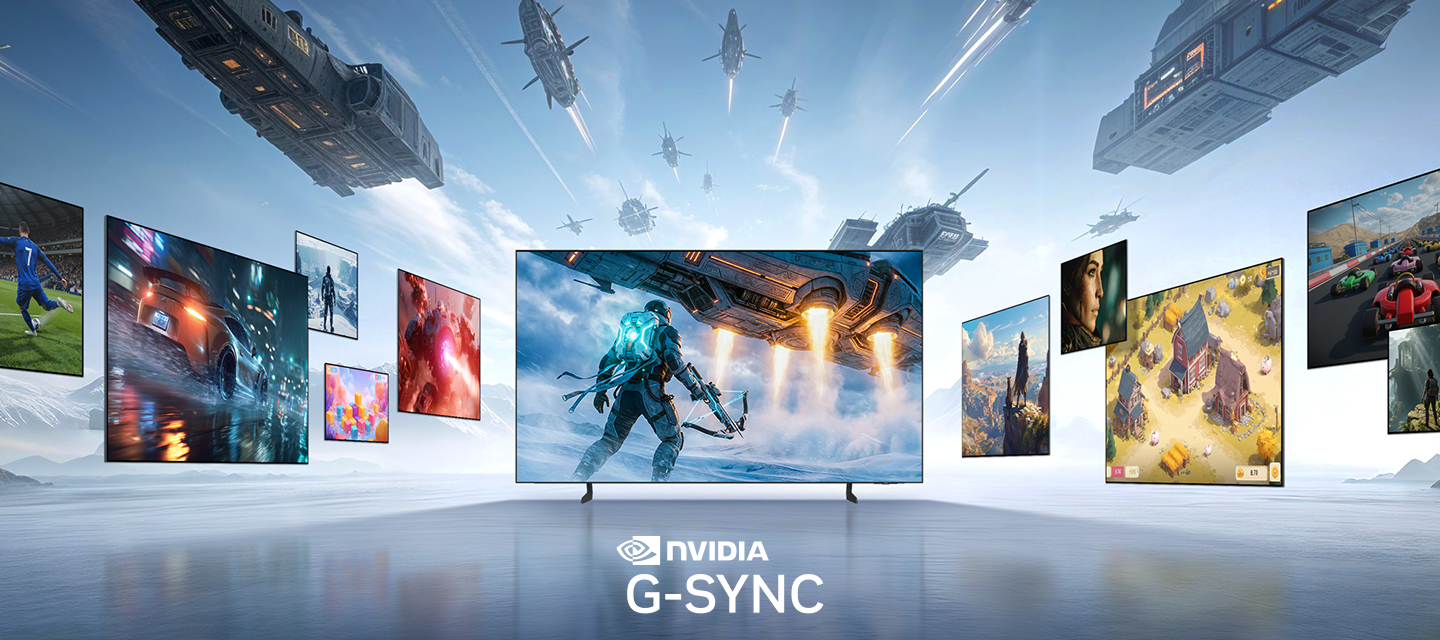
Samsung has confirmed that its 2026 OLED television lineup and several upcoming gaming monitors will support NVIDIA G-SYNC Compatible, continuing a broader industry push toward variable refresh rate technologies as a baseline expectation rather than a premium feature. The announcement applies to selected OLED TVs and the latest Odyssey-branded gaming monitors from Samsung Electronics, positioning the products squarely at PC and console gamers who value consistency and low latency as much as image quality.
G-SYNC Compatible certification allows displays to synchronize their refresh rate with supported NVIDIA GPUs, minimizing screen tearing and frame pacing issues during gameplay. While not exclusive to Samsung hardware, the inclusion of NVIDIA G-SYNC support brings the company’s OLED offerings in line with competing premium panels already targeting high-end gaming users. Samsung confirms that the OLED S95H, S90H, and S85H televisions, alongside select Odyssey monitors, meet NVIDIA’s compatibility requirements.
Among the monitors, the Odyssey G6 series is positioned toward two distinct gaming audiences. The 27-inch Odyssey G6 G60H focuses heavily on refresh rate flexibility, using a dual-mode approach that allows users to trade resolution for extremely high frame rates when needed. Samsung claims refresh rates reaching beyond 1000Hz in lower resolutions, though real-world usefulness will largely depend on game engines, GPU capability, and competitive use cases where responsiveness outweighs visual detail.
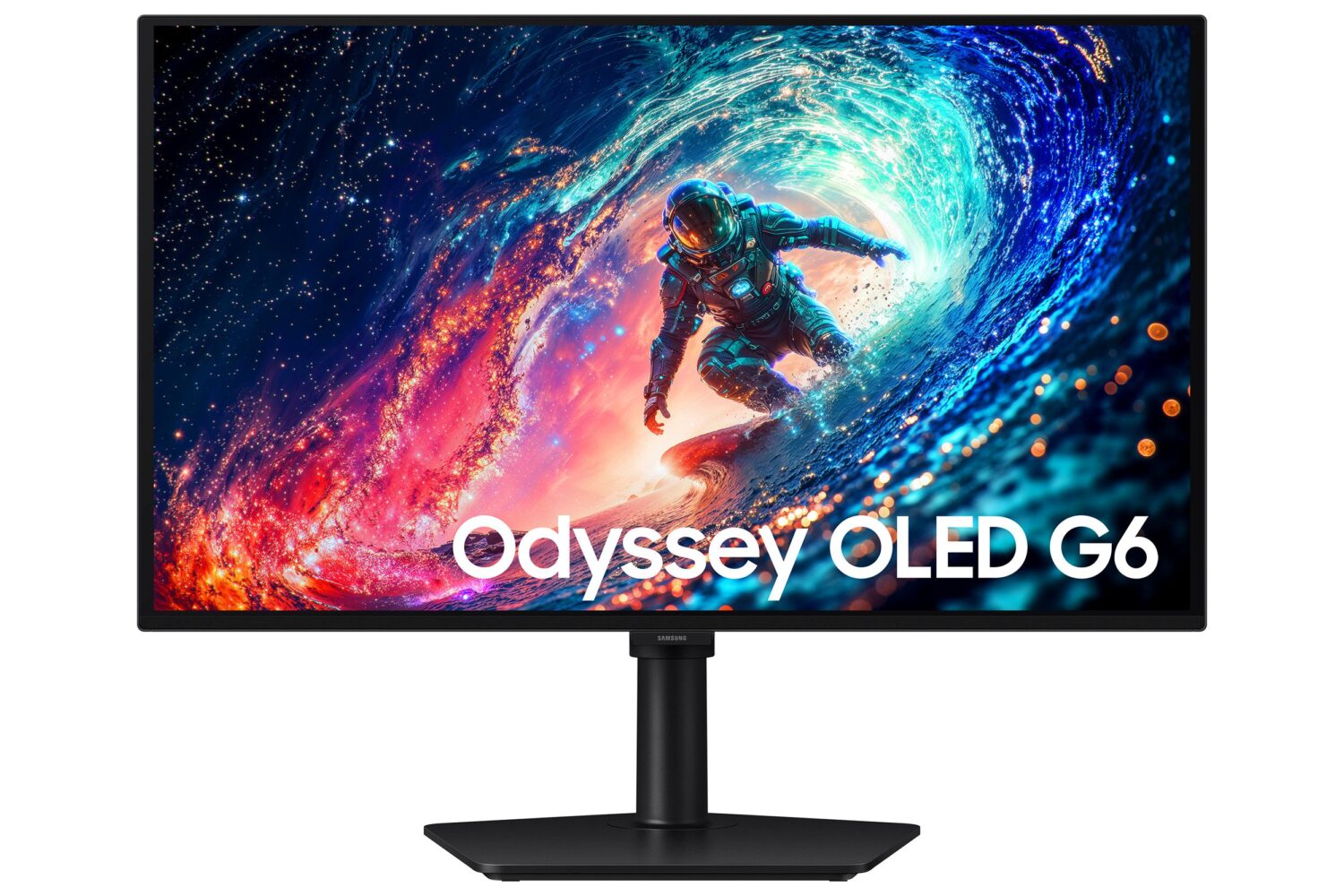
The alternate 27-inch Odyssey G6 G61SH takes a more conventional route, using a QD-OLED panel at QHD resolution with a 240Hz refresh rate. This model emphasizes contrast, color depth, and fast pixel response while maintaining the smooth motion expected in modern esports and AAA titles. Both monitors support HDR gaming standards and are positioned as tear-free solutions for players who want consistency across a wide range of frame rates.
On the television side, Samsung’s 2026 OLED models continue to blur the line between living room displays and dedicated gaming screens. Higher refresh rate support on the S95H and S90H, alongside AMD FreeSync Premium Pro compatibility, reflects an effort to accommodate both PC and console ecosystems without locking users into a single hardware platform. The introduction of HDR10+ Advanced and expanded anti-reflection treatments also suggests Samsung is prioritizing usability in varied lighting environments, not just showroom conditions.
Overall, Samsung’s 2026 OLED TVs and Odyssey monitors do not redefine gaming displays, but they reinforce expectations around smooth motion, adaptive sync, and high refresh rates. As these features become standard across the market, differentiation will increasingly come down to implementation quality, pricing, and long-term software support rather than headline specifications alone.