

Samsung has confirmed that it will release a tri-fold smartphone and an extended reality (XR) headset before the end of 2025. The details came during the company’s latest earnings call, which also outlined plans to expand its AI-powered Galaxy ecosystem with new device categories.
The tri-fold device, expected to be called the Galaxy Z TriFold, is set for an October launch. It will feature two inward-folding hinges designed to fully enclose the display when folded, potentially offering greater protection than outward-folding designs such as Huawei’s Mate XT Ultimate, which leaves part of the screen exposed. If Samsung meets its timeline, it will likely be the first globally available tri-folding smartphone from a major brand, ahead of Apple’s anticipated foldable iPhone, expected no earlier than late 2026.
Samsung indicated that its mobile division will continue prioritising high-end models like foldables and the Galaxy S25 series, while introducing more AI-driven features to its mid-range Galaxy A lineup. Tablets, wearables, and other ecosystem devices will also receive AI enhancements, with the tri-fold phone and XR headset forming part of this broader push into new form factors.
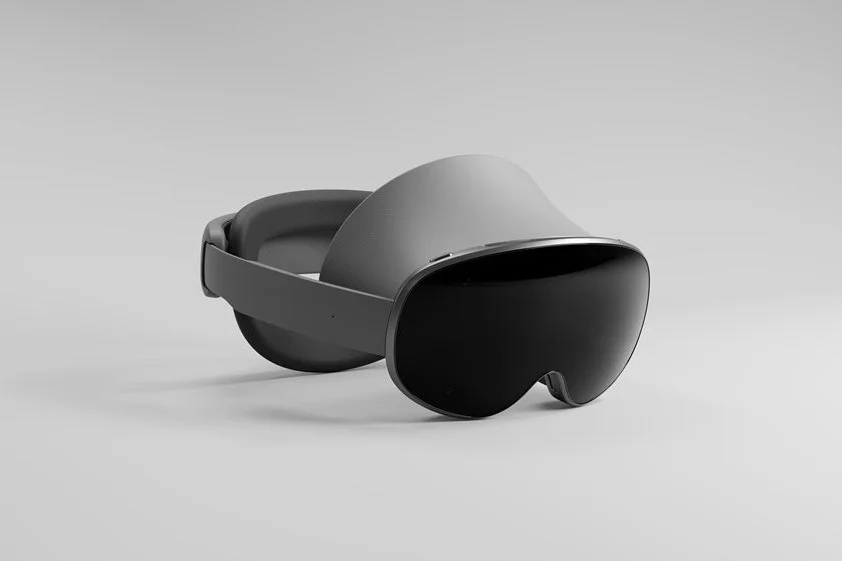
The XR headset, internally known as “Project Moohan,” will run on Android XR, making it the first headset to use Google’s extended reality platform. This positions it as a direct competitor to Apple’s Vision Pro, which runs on visionOS, though pricing and availability details remain unconfirmed.
For the tri-fold phone, durability and software optimisation will be critical to its success. A three-panel foldable can offer more screen space in a portable form factor, but weight, thickness, and hinge reliability will be key factors for adoption. Pricing will also play a role, particularly as Samsung’s Galaxy Z Fold 7 saw a price increase this year.
If Samsung can deliver a robust tri-fold device and a competitive XR headset within the same year, it would mark a more aggressive product strategy than usual—giving the company a lead in two emerging device categories. Whether these products move beyond early adopters into the mainstream will depend on usability, app support, and how much consumers are willing to pay for next-generation hardware.