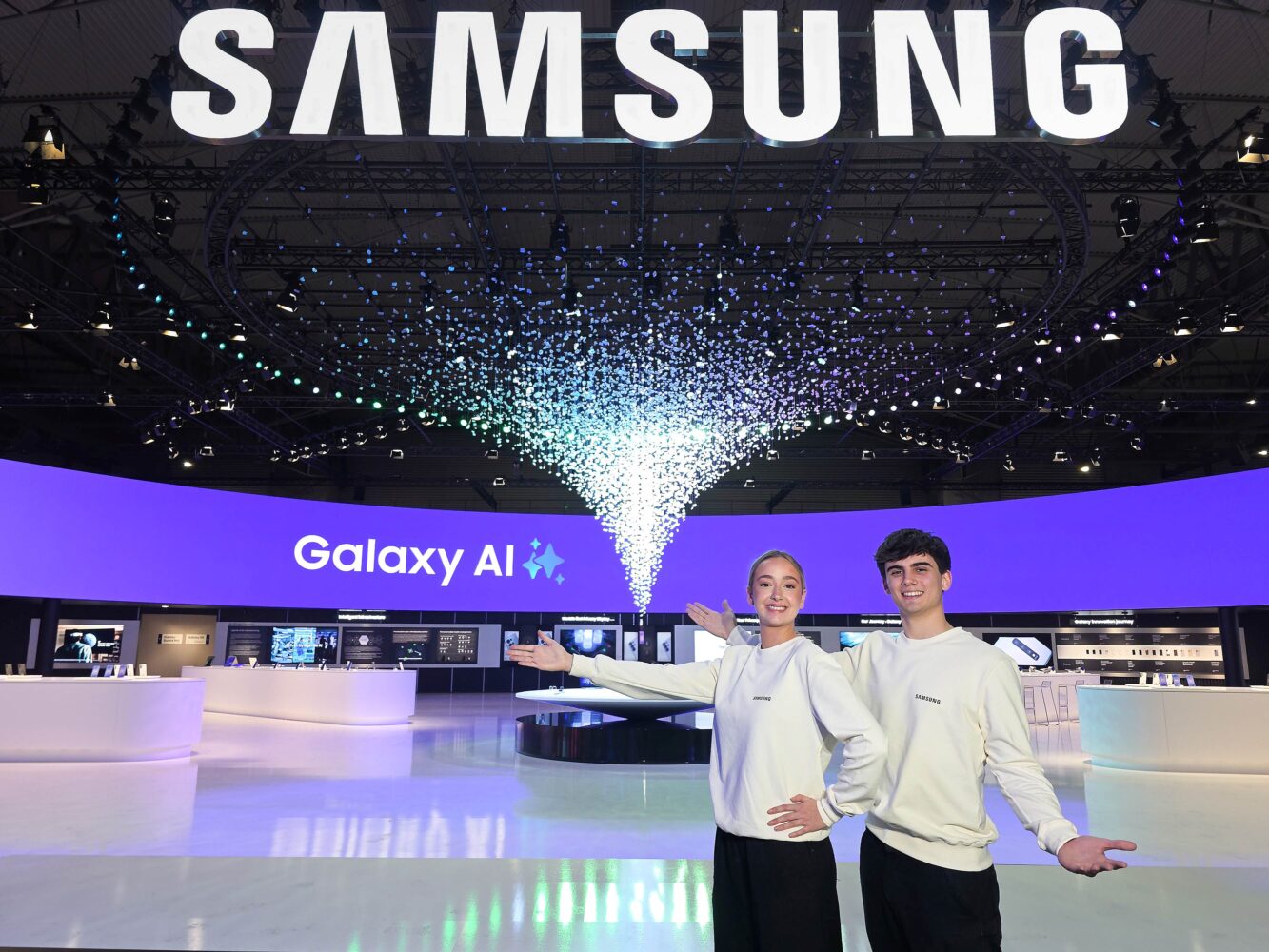


Samsung has spent the past few years developing smart glasses, and the company has now confirmed that the project is moving closer to release. Speaking during Mobile World Congress 2026 in Barcelona, Samsung executive vice president Jay Kim shared several details about the company’s approach to wearable AI glasses, offering the clearest indication so far of how the product will work and when it could arrive.
The device centers on a camera placed at eye level in the frame of the glasses. Instead of handling most processing directly on the wearable, the camera sends visual data to a connected Galaxy smartphone. The phone processes that information and returns relevant insights to the user. In effect, the glasses act as a sensor that captures what the wearer sees, while the smartphone performs the computing tasks behind the scenes.
This architecture reflects a practical compromise common in early wearable computing devices. Processing advanced artificial intelligence workloads directly inside lightweight glasses would require more battery capacity and heat management than most frames can comfortably support. By shifting most of the processing to a smartphone, Samsung can keep the glasses lighter while still delivering AI-driven features.
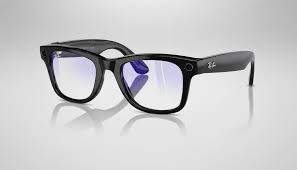
The approach also mirrors the strategy used in existing smart glasses products, particularly those developed by Meta in partnership with Ray-Ban. Those devices have found early traction by focusing on cameras, audio, and AI features rather than complex augmented reality displays. Samsung’s design appears to follow a similar direction for its first generation.
One notable detail that Samsung avoided confirming is whether the glasses will include a built-in display. When asked directly, Kim pointed toward other Samsung devices such as smartphones and smartwatches as the primary screens in the company’s ecosystem. While that response stops short of a definitive answer, it suggests that the initial version of Samsung’s smart glasses may not include a display at all.
Industry reports indicate that Samsung could release a display-equipped version later, possibly around 2027. If that timeline holds, the first model expected in 2026 would focus primarily on camera-based AI features rather than augmented reality visuals projected into the user’s field of view.
The company’s broader vision centers on using artificial intelligence to interpret what the user is looking at. For example, the glasses could analyze a restaurant menu and translate it in real time, identify landmarks and provide contextual information, or assist with tasks such as navigation, messaging, or booking services. These interactions would rely heavily on the smartphone connection and cloud-based AI systems.
Samsung has not been developing the technology alone. Qualcomm and Google have been working alongside the company since at least 2023 to build the hardware and software platform needed for the device. Qualcomm is expected to provide the chipset architecture, while Google’s software and AI capabilities will likely play a role in enabling visual recognition and contextual assistance.
Executives from both companies signaled that a commercial launch could happen within 2026. Qualcomm CEO Cristiano Amon reiterated that timeframe during the same industry event, though neither company provided a specific release date.
The timing places Samsung in a growing category of wearable devices that combine cameras, voice assistants, and artificial intelligence. Companies across the industry are exploring smart glasses as a potential successor to smartphones for certain everyday interactions. However, adoption will likely depend on balancing functionality with comfort, privacy concerns, and battery life.
Samsung’s decision to start with a camera-focused design suggests the company is taking a gradual approach to that transition. Rather than launching a full augmented reality headset immediately, the first product appears aimed at building practical AI features into a familiar form factor.