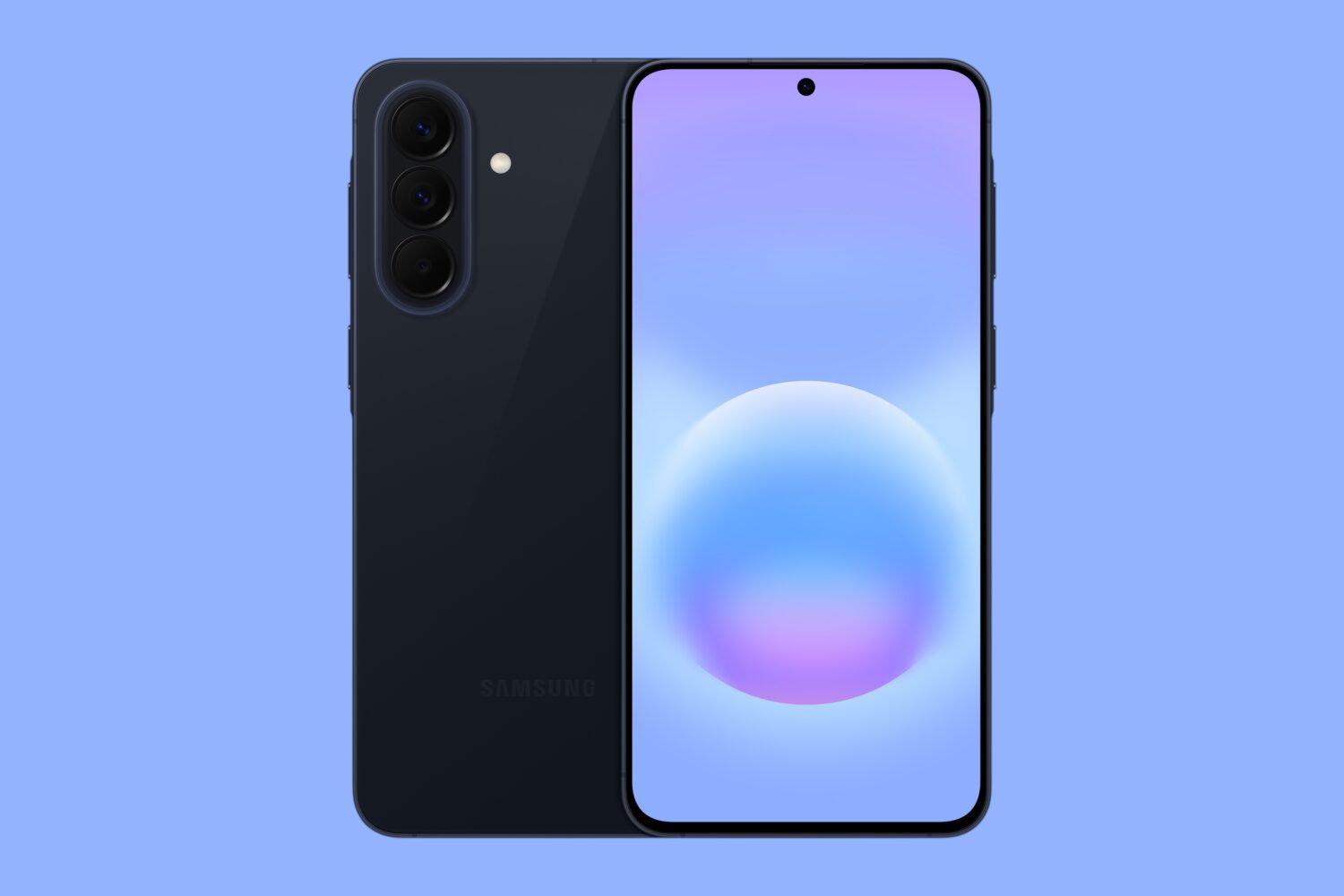

Samsung has opened a public beta for a redesigned version of Bixby, reframing the assistant as a conversational AI agent built directly into One UI 8.5. The update marks another attempt to make Bixby a more central part of the Samsung phone experience, with a focus on natural language control rather than rigid voice commands.
The new Bixby beta, now live in the United States and United Kingdom, is designed to let users manage phone settings and perform web searches using everyday speech. Instead of navigating menus or memorizing specific phrases, users can describe what they want in plain language. For example, someone who wants their display to stay awake can simply explain the issue, and the assistant will enable the relevant setting automatically. In this case, Bixby toggles the “Keep Screen On While Viewing” option without requiring the user to find it manually.
Samsung is positioning Bixby as a device-level agent that understands context, including the current state of the phone. If a user asks why their screen keeps turning on in their pocket, the assistant may suggest activating “Accidental Touch Protection.” This contextual awareness is central to Samsung’s broader push into on-device AI features introduced in recent Galaxy models. Rather than focusing solely on answering general knowledge questions, Bixby’s updated role emphasizes system control and troubleshooting.
Another notable change is the integration of real-time web search directly within the Bixby interface. Users can search for information without switching to a separate browser app. This mirrors a wider industry shift, as smartphone makers increasingly embed AI-driven search and task management directly into operating systems. With One UI 8.5, Samsung appears to be aligning Bixby more closely with that trend.
The beta program is initially available in six markets: the United States, the United Kingdom, South Korea, Germany, India, and Poland. Samsung has said it plans to expand access to additional regions and languages after the beta phase. At launch, the redesigned Bixby supports multiple dialects and languages, including English (US, UK, India), French (France), German (Germany), Italian (Italy), Japanese (Japan), Korean (South Korea), Mandarin Chinese (China), Spanish (Spain and Latin America), and Portuguese (Brazil). The company has also indicated that more accents and dialects will be added over time to improve recognition accuracy.
Bixby has undergone several revisions since its debut, often competing for relevance in a market dominated by other digital assistants. This update suggests a renewed focus on practical device management rather than broad claims about AI capability. Whether users adopt the new Bixby will likely depend on how reliably it interprets conversational requests and how seamlessly it integrates with daily smartphone use.
As conversational AI on smartphones becomes more common in 2026, Samsung’s Bixby beta represents an incremental but important step in redefining how users interact with their devices through natural language control.