

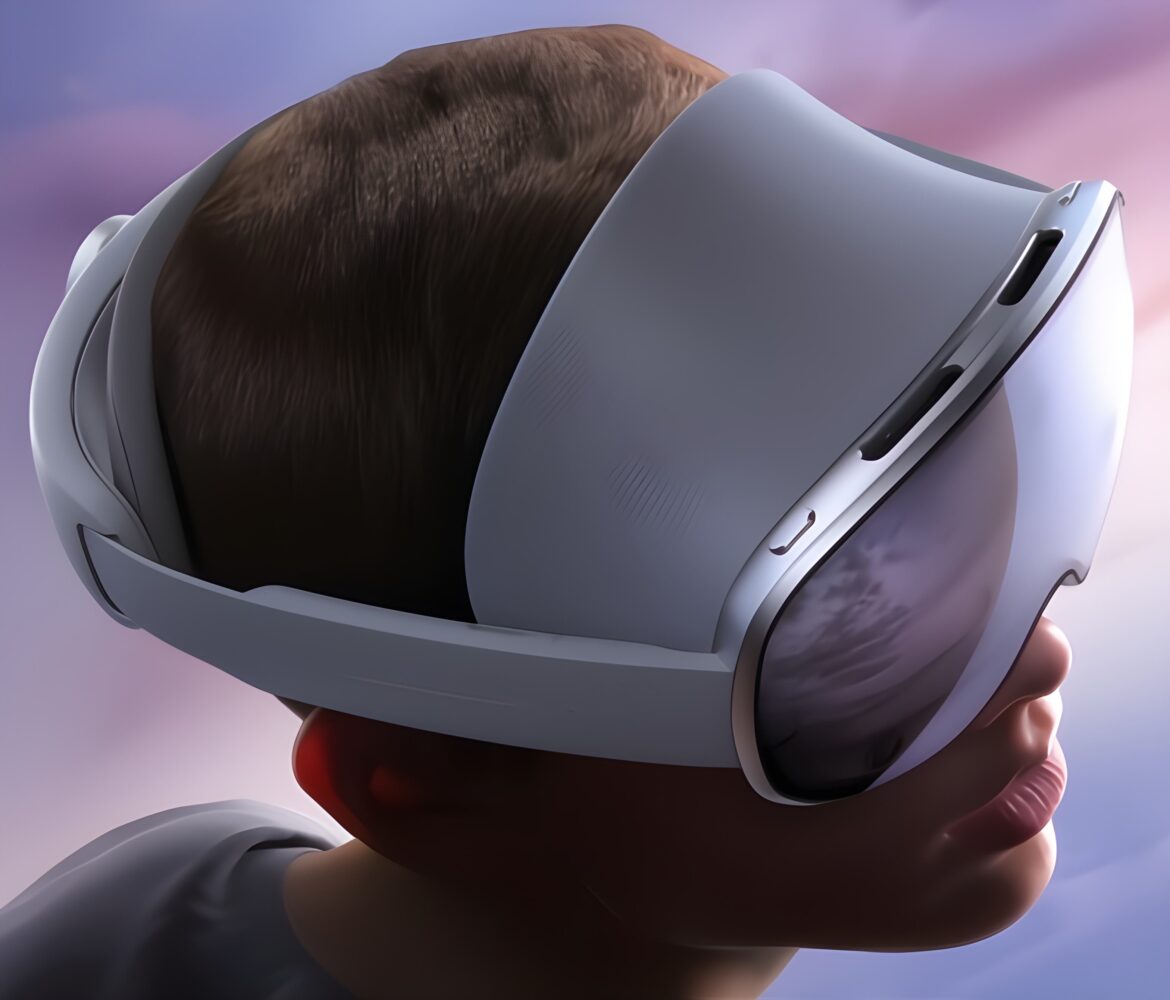
Samsung has officially entered the mixed reality market with the launch of the Galaxy XR, its first headset built for the new Android XR platform. Priced at USD 1,799.99, the device combines high-end hardware with AI-driven spatial computing features and marks Samsung’s most ambitious step yet toward immersive technology.
Developed in partnership with Google and Qualcomm, the Galaxy XR runs One UI XR, layered over Android XR, and incorporates Google’s Gemini AI for multimodal control through eye, hand, and voice tracking. At its core is Qualcomm’s Snapdragon XR2+ Gen 2 processor, supported by 16 GB of RAM and 256 GB of storage, designed to handle complex augmented and virtual reality applications smoothly.
The headset features dual Micro OLED displays with a resolution of 3,552 × 3,840 per eye, totaling 27 million pixels. The panels support HDR10 and cover 95% of the DCI-P3 color gamut, delivering sharp, color-accurate visuals at up to 90 Hz refresh rates. To enhance mixed-reality awareness, the device is equipped with two high-resolution passthrough cameras, six world-tracking sensors, and four dedicated eye-tracking cameras.
Audio performance is equally sophisticated, featuring dual two-way speakers with Dolby Atmos and a six-microphone array for spatial 3D sound. The battery pack, weighing 302 grams, is tethered to the headset and provides around 2.5 hours of playback per charge. Connectivity includes Wi-Fi 7, Bluetooth 5.4, and optional Galaxy XR Controllers, which retail separately for USD 250.
Although the Galaxy XR is currently limited to the U.S. and South Korea, Middle Eastern buyers can already order the headset through Big Apple Buddy, a New York–based shopping concierge that helps international customers purchase U.S.-exclusive technology products. The service manages the entire process — from sourcing the device to repackaging, customs documentation, and international shipping. Orders are typically delivered within days of the U.S. release.