

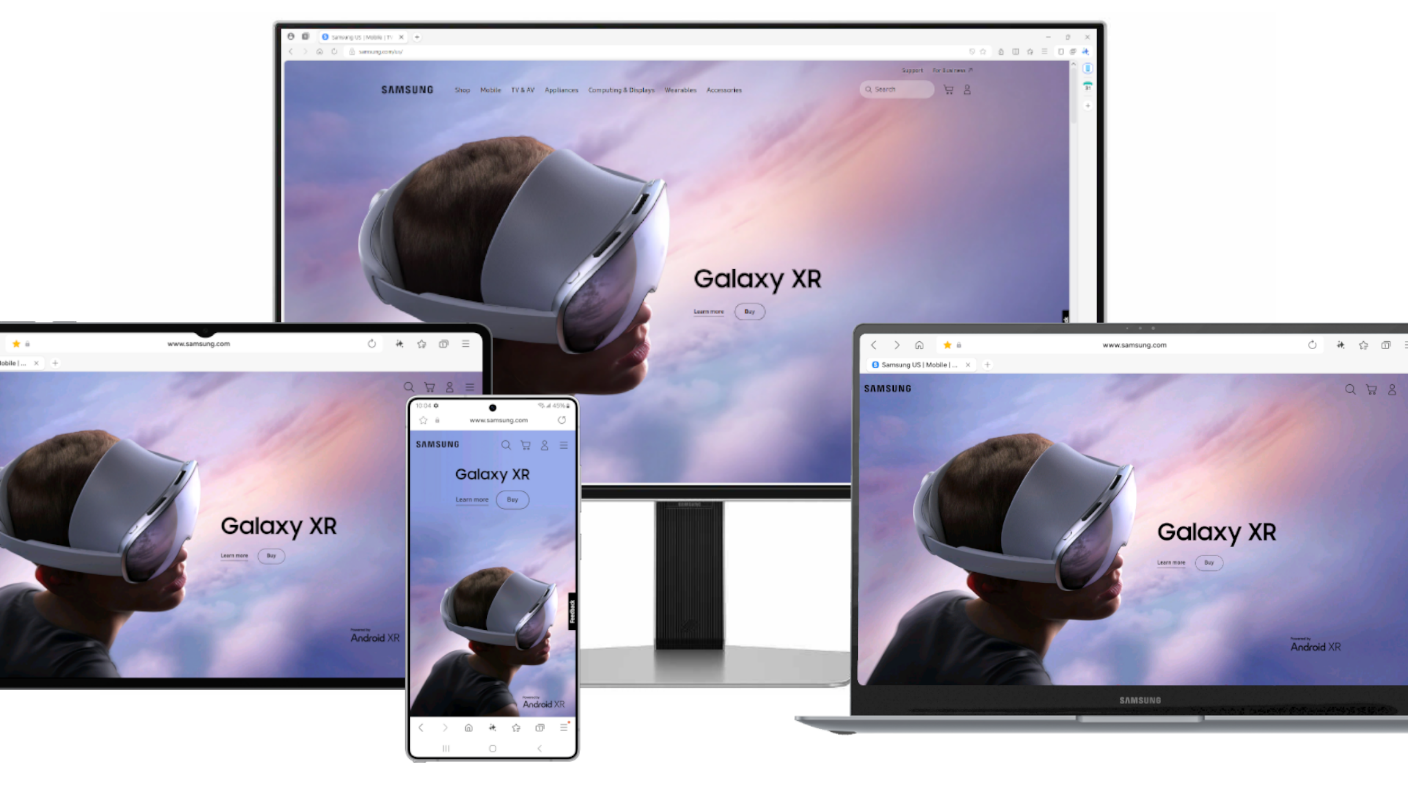
Samsung has launched the beta version of Samsung Internet for PC, marking the first time its mobile browser has expanded to desktop. The move is designed to create a more unified browsing experience across the Samsung Galaxy ecosystem and represents an early step toward integrating ambient AI into the company’s broader suite of connected products.
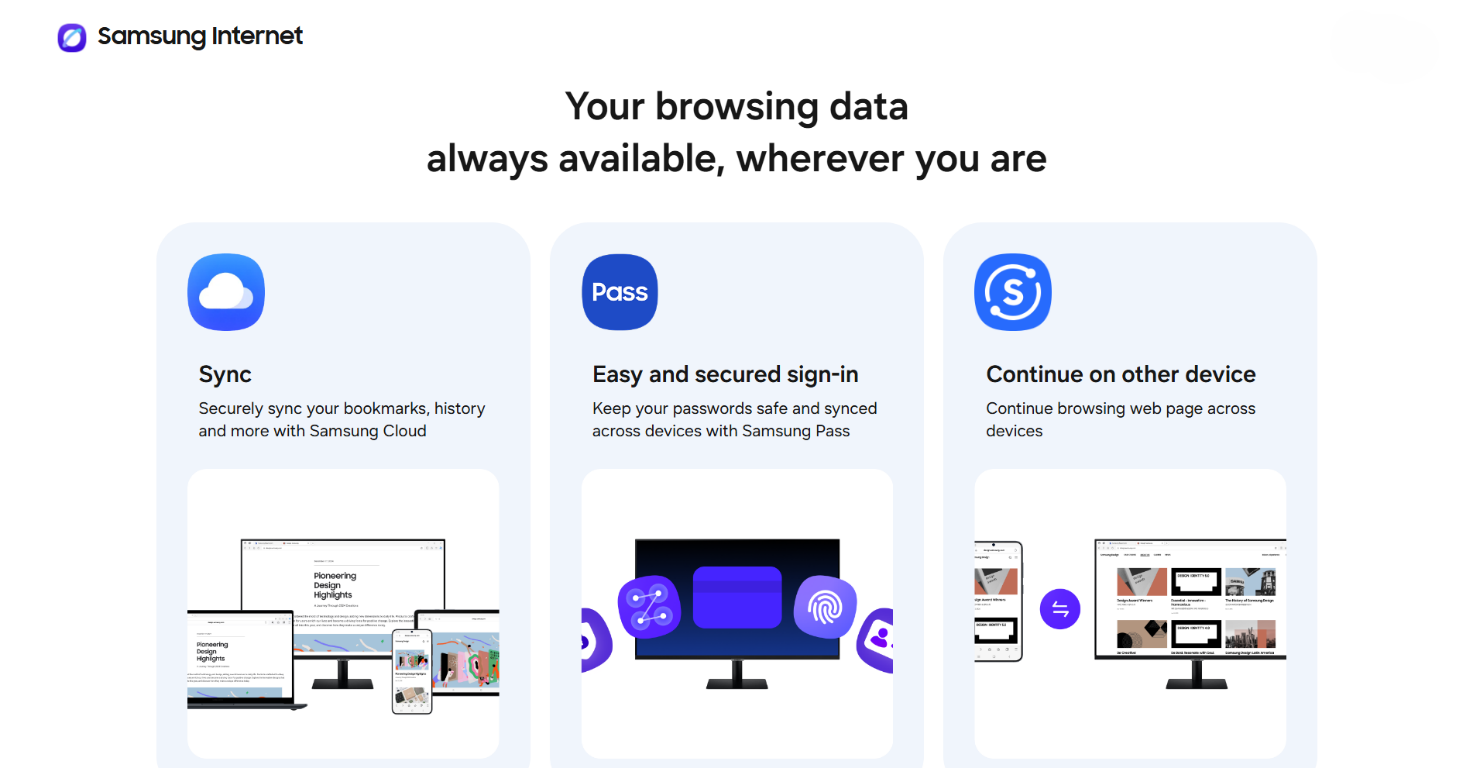
The PC version brings familiar Samsung Internet features to desktop users, including synchronization of bookmarks, browsing history, and login credentials through Samsung Pass. This allows users to move fluidly between devices — starting a search on a Galaxy smartphone and continuing it on a PC without losing progress. When signed in with a Samsung Account, users are prompted to resume browsing sessions across devices, creating a continuous experience that links mobile and desktop environments.
Samsung Internet for PC also introduces AI-powered capabilities supported by Galaxy AI, such as “Browsing Assist,” which can summarize or translate webpages instantly. The company says these tools are designed to make online navigation faster and more intuitive, while maintaining Samsung’s emphasis on user privacy and data protection.
Security remains a key pillar of the browser’s design. Samsung Internet for PC includes smart anti-tracking technology to block third-party tracking attempts and features a Privacy Dashboard that allows users to monitor and manage their data protections in real time. Samsung frames these tools as part of its commitment to offering secure, intelligent browsing without compromising user trust.
The expansion of Samsung Internet to PC aligns with the company’s vision of “ambient AI” — technology that operates seamlessly across devices and environments to anticipate user needs. Won-Joon Choi, Chief Operating Officer of Samsung’s Mobile eXperience Business, said the beta marks the beginning of a new era for Samsung Internet, one in which the browser will evolve “from a PC tool that waits for input to an AI-driven platform that understands users while protecting their data at every level.”
For now, the beta release focuses on core functionality and feedback gathering, but Samsung positions it as the foundation for a smarter, more integrated browsing future across the Galaxy ecosystem.