

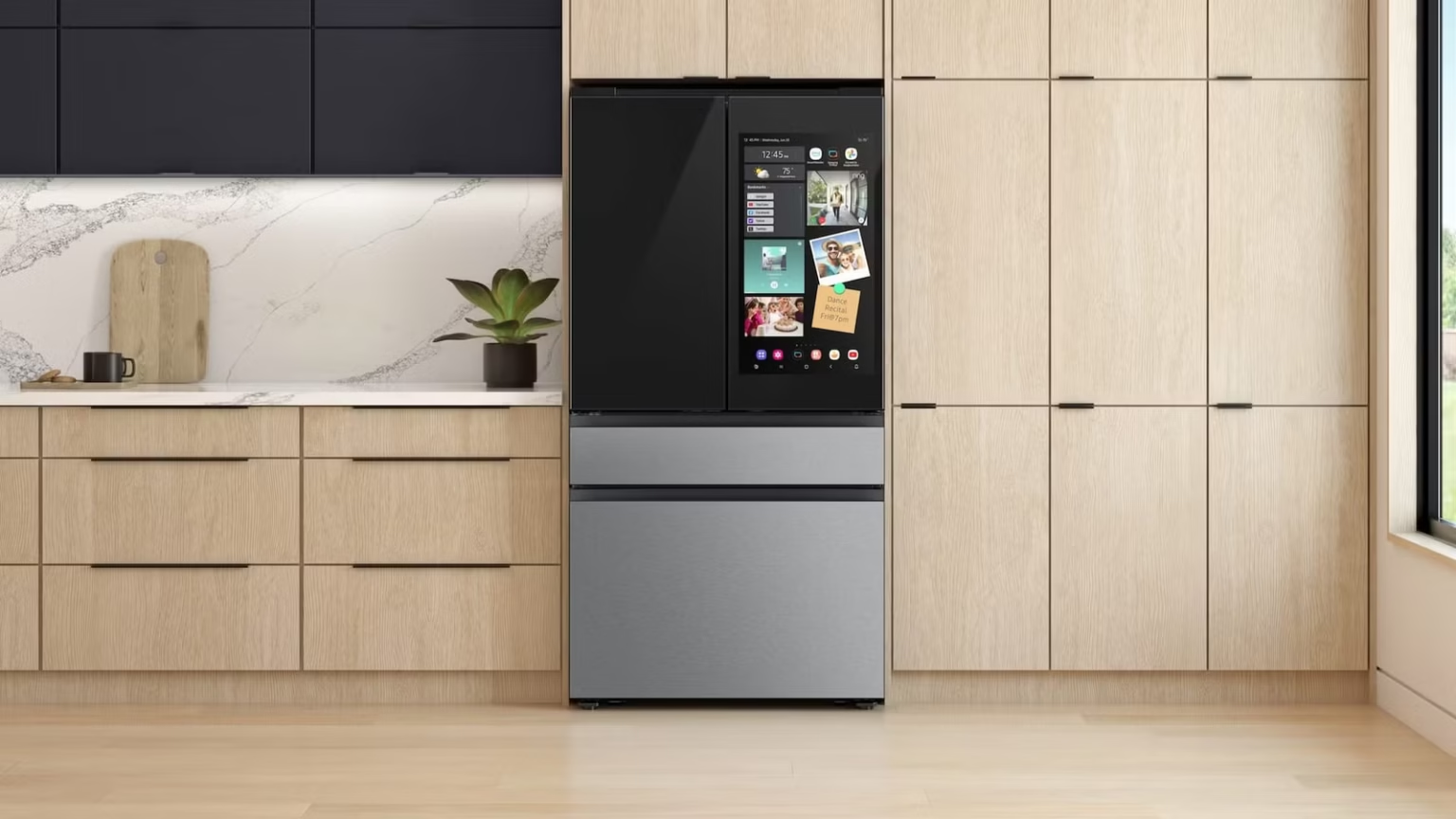
Samsung is pushing a new Family Hub software update that adds sharper food tracking and a Bixby refresh, while also introducing contextual advertisements on the refrigerator’s cover screen. The move highlights a growing reality of smart appliances: ongoing software features can arrive alongside new monetization options. If you own a compatible Samsung fridge, the update is opt-in and the ads can be disabled, but their presence is still worth understanding before you tap “accept.”
On the features side, Samsung’s AI Vision Inside now recognizes 37 types of fresh food, such as apples, kiwis, and cucumbers. The company also says the fridge can identify and suggest labels for up to 50 commonly used packaged items. For families that routinely lose track of what’s on hand, the pitch is straightforward: better inventory tracking should cut food waste and reduce repeat purchases. The practical value here depends on accuracy and how often the camera and model mislabel items, but the intent is clear and sensible.
The headline change for many will be the new cover-screen widget that rotates through curated advertisements alongside everyday information like weather, news, and calendar snippets. Samsung frames these fridge ads as contextual or non-personal, meaning the Family Hub display is not collecting or selling personal information for ad targeting. Importantly, users can turn off Samsung fridge ads entirely: go to Settings, then the Advertisements tab, and toggle them off. You can also dismiss individual ads so they won’t reappear during a campaign, and no ads display when you use Art or Album themes for the cover screen. That level of control is welcome, though it will be worth watching future terms and conditions for any changes to default settings or opt-out options.
Bixby also gets a notable upgrade. The voice assistant adds Voice ID, which recognizes who is speaking and switches to the correct Samsung account for that person. This makes it easier to pull up a personal calendar, view photos, or use Find My Phone to ping a lost handset—even one set to silent. The update lets you mirror some visual accessibility settings from a paired Galaxy phone, including grayscale or color inversion. You can also wake Bixby faster with a simple double-tap on the screen.
From an enterprise and consumer-privacy angle, the rollout underscores a trade-off common to connected devices. The Samsung Family Hub update brings useful kitchen features, but it also introduces refrigerator ads that, while optional, shift the product experience toward a service model. For now, Samsung fridge ads are off by default unless you opt in to the update, and you can later disable them. Still, owners should keep an eye on software notices, data-use prompts, and any changes in ad controls after future revisions.
For shoppers evaluating a smart fridge in 2025, the lesson is to weigh the long-term software path as much as the hardware. AI food recognition that reliably spots produce and labels packaged goods can help plan meals and reduce waste. Bixby’s Voice ID can streamline shared household use of calendars and reminders. But smart appliance ads—even contextual, non-personal ones—may feel out of place on a kitchen appliance, and some households will prefer to switch them off. If you do accept the Family Hub update, set time aside to review the Advertisements tab, theme settings, and privacy options so the fridge behaves the way you expect.
The Samsung Family Hub update begins rolling out this month to existing owners. You’ll see a prompt on the fridge asking you to opt in; once installed, AI Vision Inside improvements, Bixby Voice ID, and the optional cover-screen ads will appear. If your priority is food tracking, try the recognition features for a week and spot-check item accuracy. If your priority is a clean screen, either pick an Art or Album theme or disable Samsung fridge ads in Settings on day one. The combination of stronger food-inventory tools and optional advertising makes this a clear example of where connected kitchen products are headed—useful software on top of expensive hardware, with recurring opportunities for brands to surface content, and owners retaining the choice to turn those ads off.