

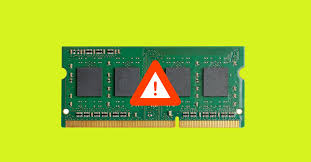
The ongoing global shortage of memory chips is beginning to ripple far beyond standalone RAM kits, with graphics cards, high-capacity solid-state drives, and even traditional hard drives now showing signs of strain. What initially appeared as a sharp spike in consumer RAM pricing is increasingly shaping hardware availability and pricing decisions across the wider PC ecosystem, setting the tone for much of 2026.
The current imbalance is largely driven by sustained demand from AI infrastructure, which continues to absorb large volumes of DRAM and NAND production. By the end of 2025, prices for direct-to-consumer RAM kits had risen by three to four times in some markets. SSD pricing followed a similar, though initially less severe, upward trajectory. Until recently, longer-term supply contracts and existing inventory helped insulate prebuilt systems and components such as GPUs from the worst effects. That buffer now appears to be thinning.
Signs of pressure are emerging in the graphics card market. Board partners have reportedly reconsidered the viability of certain mid-to-high-end models, including the GeForce RTX 5070 Ti. The card uses 16GB of GDDR7 memory, the same capacity found in higher-tier products like the RTX 5080. From a manufacturing perspective, allocating scarce memory to more expensive models offers higher margins, especially when street prices already sit well above official MSRPs. This dynamic helps explain why some models may be deprioritized even if demand remains strong.
While premium GPUs capable of consistent 4K performance have become significantly more expensive, the situation is less severe in the lower and midrange segments. Cards aimed at 1080p and 1440p gaming are still relatively close to their launch pricing, suggesting that limited memory supply is being steered toward products with the highest return rather than uniformly affecting all tiers.
Storage is following a similar pattern. Smaller SSDs remain available, but prices for 2TB and 4TB NVMe drives have risen sharply, particularly from established brands such as Samsung and Western Digital. In some cases, identical models that sold for under $200 late last year are now listed at more than double that price or are unavailable altogether. Lesser-known manufacturers continue to offer more affordable options, though availability can be inconsistent.
Even mechanical hard drives are not entirely immune. While they use far less flash memory and are not a priority for large-scale AI deployments, prices for NAS-focused drives have gradually crept upward. The more notable change is the disappearance of regular sales, rather than sudden dramatic increases.
Taken together, these trends suggest that the memory shortage is no longer a niche issue affecting enthusiasts alone. As supply constraints filter through GPUs and storage, consumers may increasingly delay upgrades or adjust expectations. Unless production capacity shifts meaningfully, memory availability is likely to remain one of the defining constraints on PC hardware pricing in the near term.