

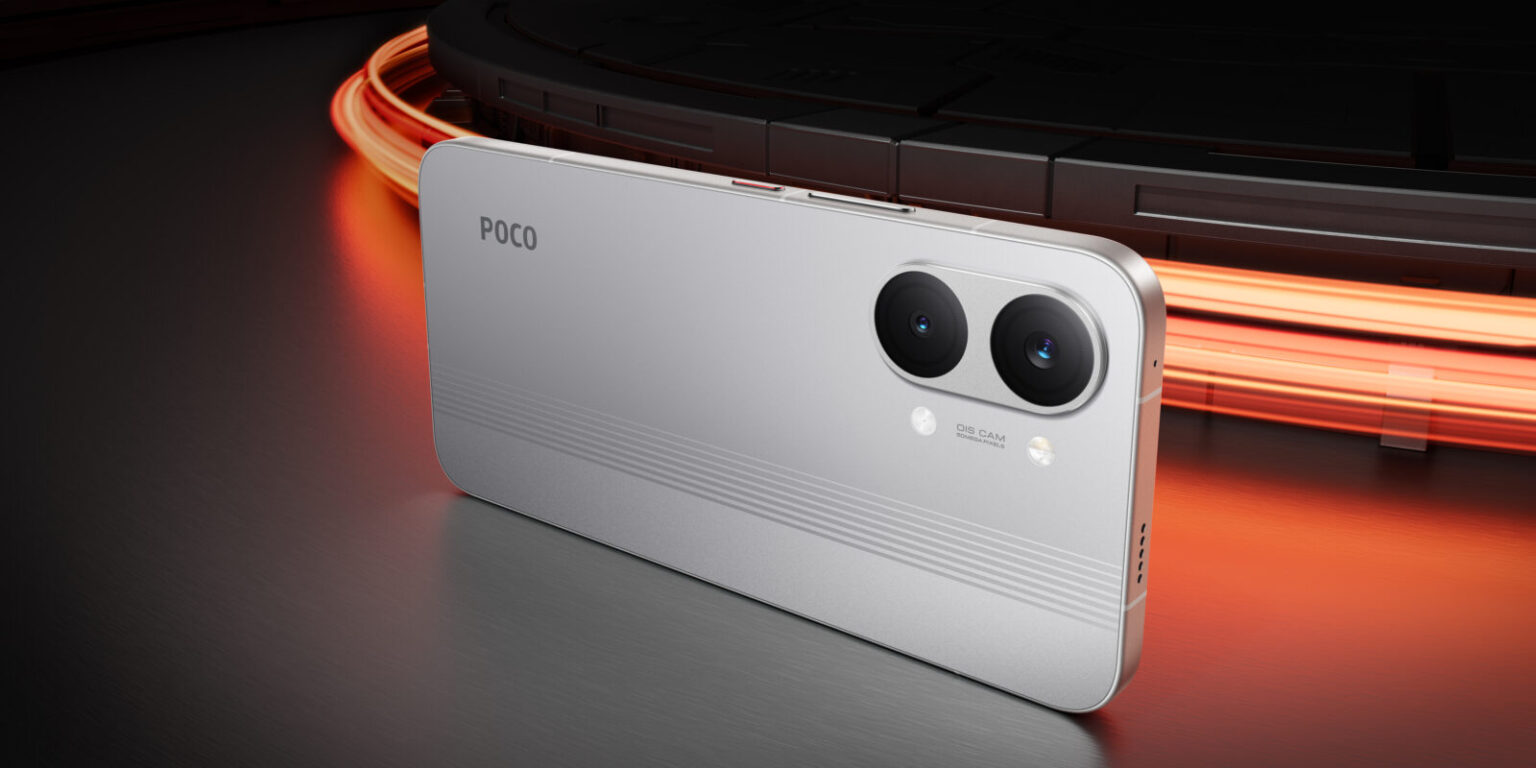
POCO has introduced the POCO X8 Pro Series in Dubai, expanding its mid-to-high-end smartphone lineup with two models: POCO X8 Pro Max and POCO X8 Pro. The announcement reflects the brand’s ongoing focus on performance-oriented devices, particularly for users interested in gaming, multitasking, and extended battery life. With this release, the company is shifting its X Series branding toward a more performance-focused “Pro” positioning.
At the center of the POCO X8 Pro Series is a clear emphasis on processing power. The POCO X8 Pro Max is the first device to feature MediaTek’s Dimensity 9500s chipset, built on a 3nm architecture with a peak clock speed of up to 3.73GHz. It is paired with LPDDR5X RAM and UFS 4.1 storage, aiming to deliver faster data access and improved responsiveness across applications. The POCO X8 Pro, positioned slightly lower, runs on the Dimensity 8500-Ultra platform, with noticeable gains in GPU performance and power efficiency compared to its predecessor. Both devices support hardware-based ray tracing in select mobile games, reflecting a broader trend toward more advanced graphics processing on smartphones.
To support sustained performance, both models include updated cooling systems. The Pro Max uses a larger 3D IceLoop cooling structure, while the Pro model adopts a dual-layer design intended to manage heat during extended gaming or heavy workloads. Software optimizations, including the WildBoost system, are designed to stabilize frame rates and reduce performance drops, though actual results will depend on specific usage scenarios and supported applications.
Battery capacity is another defining feature of the POCO X8 Pro Series. The Pro Max includes an 8,500mAh battery, one of the largest currently available in a mainstream smartphone, while the Pro model offers a 6,500mAh silicon-carbon battery in a more compact form. Both devices support 100W wired charging and reverse charging capabilities. The company also highlights battery longevity, with claims of maintaining over 80% capacity after extended charge cycles, though real-world performance will vary based on usage patterns.
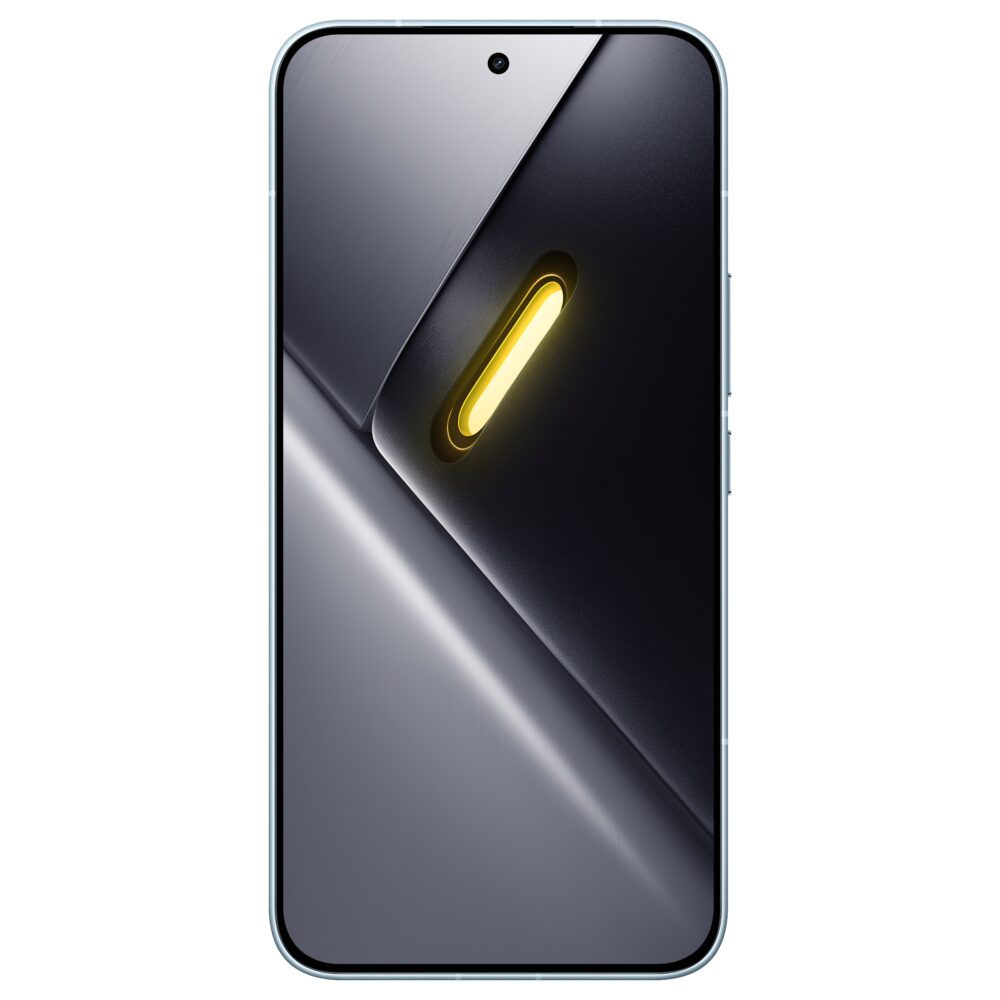
On the display side, the POCO X8 Pro Max features a 6.83-inch screen, while the Pro model uses a 6.59-inch panel. Both offer high peak brightness levels and include eye-care certifications, along with high-frequency PWM dimming for improved viewing comfort. Audio is handled through dual stereo speakers with Dolby Atmos support on the Pro Max, aiming to enhance media and gaming experiences.
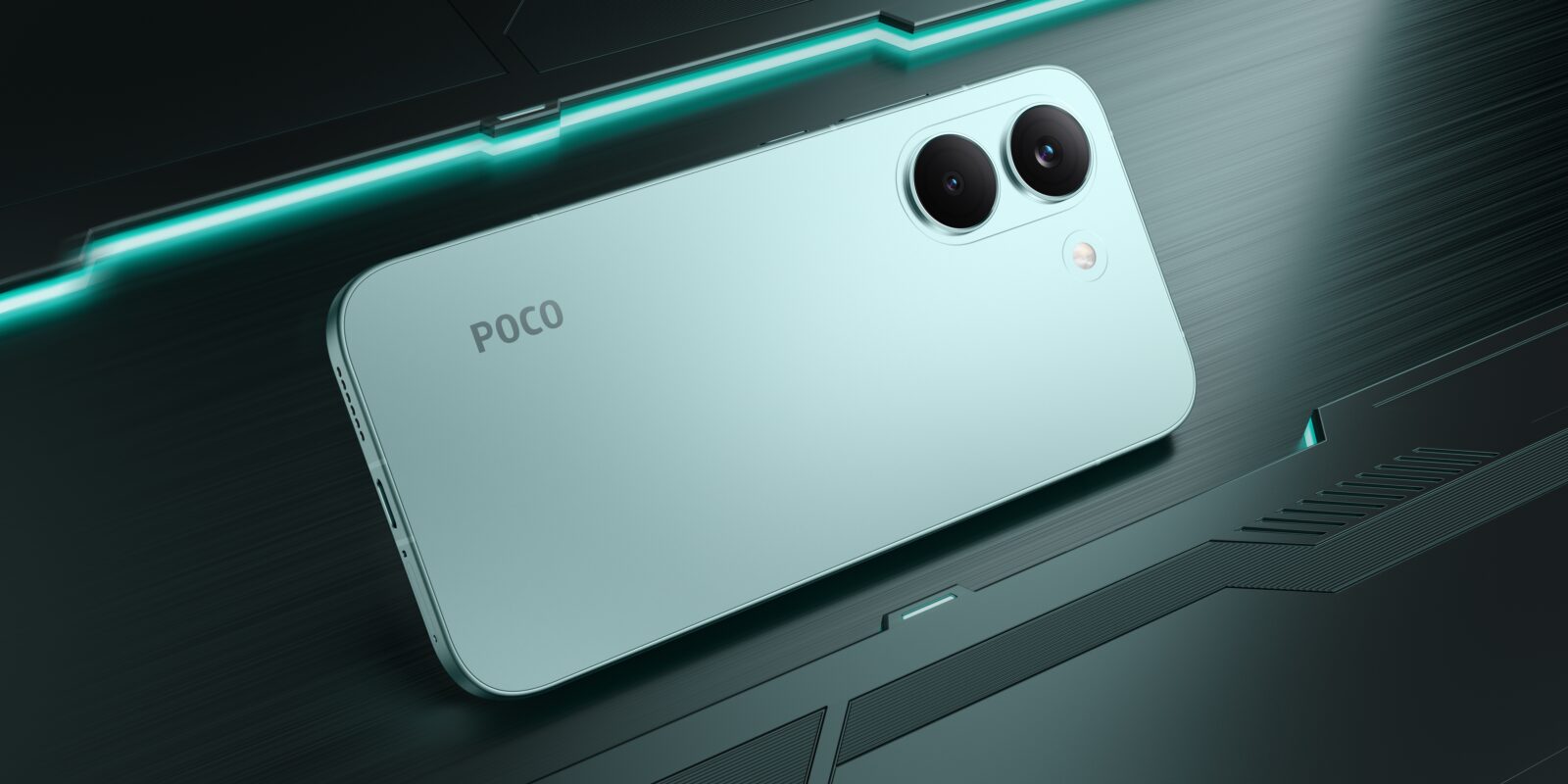
Design-wise, the devices adopt a relatively minimal approach, with metal frames, slim bezels, and customizable RGB lighting elements integrated into the camera module. Both models also include high levels of water and dust resistance, alongside reinforced glass for durability.
Camera hardware includes a 50MP main sensor on both devices, supported by AI-based imaging features. Additional tools such as motion capture modes and automated editing functions are intended to simplify content creation, though these features are increasingly standard across this segment.
The POCO X8 Pro Series runs on Xiaomi HyperOS 3, incorporating features such as cross-device connectivity, AI-assisted tools, and integrations like Google Gemini and Circle to Search. New additions include a ticket purchase mode aimed at improving responsiveness during high-demand online sales, as well as offline communication capabilities for short-range voice calls without network coverage.
In the UAE, the POCO X8 Pro Max starts at AED 1,599, while the POCO X8 Pro starts at AED 1,199, positioning both devices competitively within the upper mid-range smartphone market. As with similar launches, the long-term value of the POCO X8 Pro Series will depend less on headline specifications and more on how consistently these features perform in everyday use.