
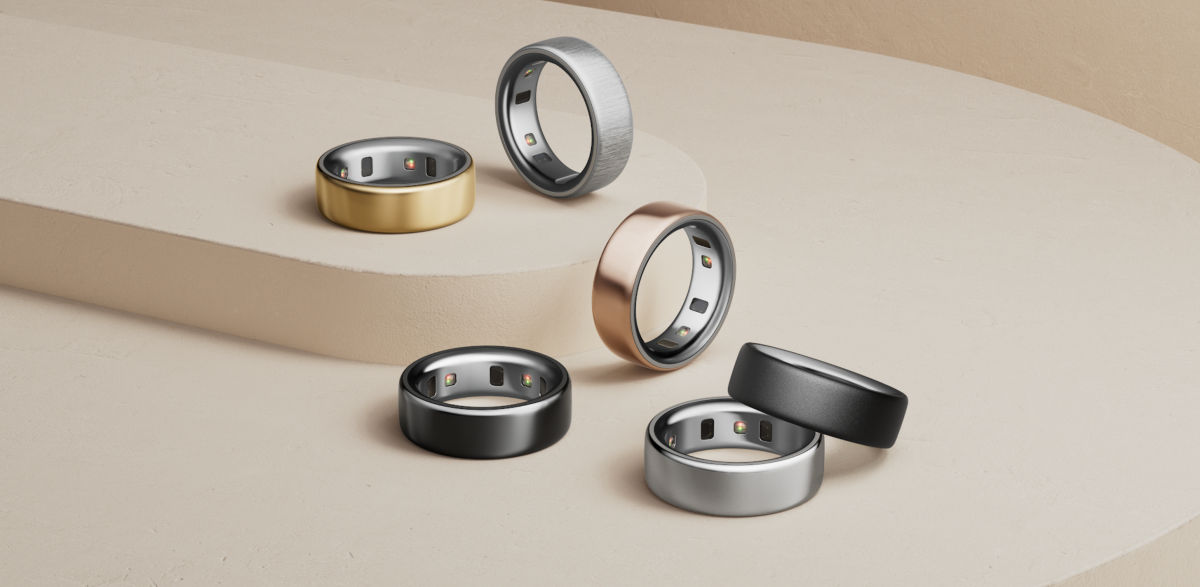
Oura has introduced a proprietary AI model focused on women’s health, expanding the capabilities of its in-app chatbot, Oura Advisor. The new model is designed to answer questions across the reproductive health spectrum, from early menstrual cycles to perimenopause and menopause. It is currently available through Oura Labs, the company’s opt-in feature hub for experimental tools within the Oura app.
The women’s health AI model is built to combine established medical standards with individual biometric data collected by the Oura Ring. According to the company, its in-house team of board-certified clinicians and women’s health specialists reviewed the research sources that inform the model. When a user submits a women’s health question, Oura Advisor draws on that clinical framework while also analyzing the user’s sleep patterns, activity levels, cycle tracking data, stress metrics, and, where applicable, pregnancy-related signals. The aim is to provide context-aware insights rather than generic responses.
The launch reflects a broader shift in how people are using AI chatbots for health guidance. From cycle irregularities to perimenopause symptoms, many users are turning to digital tools for quick answers. That trend has raised concerns about accuracy, bias, and the limitations of general-purpose large language models. By developing a domain-specific system trained and reviewed around women’s health, Oura is positioning its platform as more tailored than open-ended AI tools that are not designed around reproductive health data.
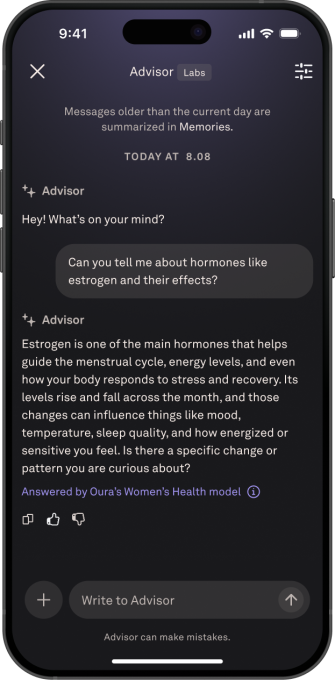
At the same time, the company states that the chatbot is not intended to replace medical professionals. The model is designed to offer educational guidance and supportive language, but not diagnosis or treatment plans. This distinction is increasingly important as wearable devices and AI health assistants move closer to territory traditionally reserved for clinicians.
Oura also says the model runs on infrastructure it controls, and that user conversations are not shared or sold. Data privacy remains a central issue in digital health, particularly when reproductive health information is involved. By emphasizing infrastructure control and data handling policies, the company appears to be addressing ongoing concerns about how sensitive biometric and cycle data are stored and processed.
The introduction of the women’s health AI model aligns with shifting user demographics. Company executives have previously noted that one of the fastest-growing segments of Oura’s customer base includes women in their early twenties. As competition in the wearable health market intensifies, features tailored to specific populations—rather than broad, fitness-first messaging—may become more common.
Users interested in trying the new system can opt into Oura Labs through the app’s main navigation menu. As with other experimental features, availability may evolve based on feedback and performance.
The rollout of Oura’s women’s health AI model signals a continued convergence between wearable biometrics, personalized analytics, and conversational AI. Whether such tools can deliver clinically meaningful support without overstepping into medical territory will likely determine how this category develops in the coming years.