

NVIDIA has begun shipping DGX Spark, a compact desktop supercomputer designed to bring advanced AI development capabilities directly to individual researchers and developers. Unveiled by NVIDIA founder and CEO Jensen Huang, the system represents a scaled-down version of the company’s enterprise-grade DGX platform, aiming to make high-performance AI computing accessible beyond large data centers.
The DGX Spark is powered by NVIDIA’s Grace Blackwell architecture, integrating GPUs, CPUs, networking components, and NVIDIA’s AI software stack into a unified machine that can deliver up to one petaflop of AI performance and 128GB of shared memory. This setup enables developers to train and run inference on models with as many as 200 billion parameters locally, supporting a range of tasks from generative AI experimentation to real-time agentic and physical AI simulations.

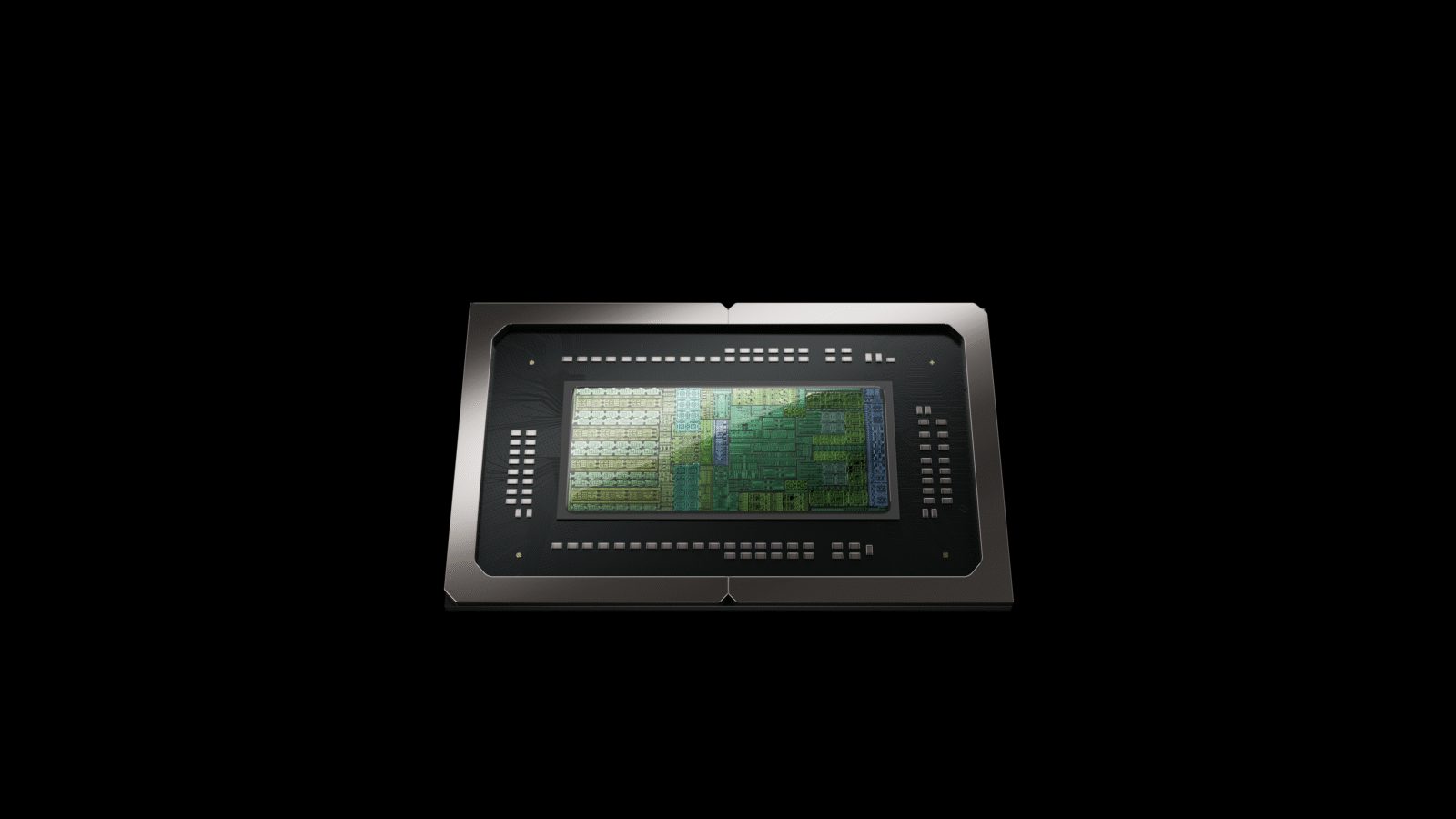
NVIDIA says the DGX Spark combines the company’s latest GB10 Grace Blackwell Superchip with NVLink-C2C technology and ConnectX-7 200 Gb/s networking. This configuration provides up to five times the bandwidth of PCIe Gen 5, offering smoother data transfer between CPU and GPU. Each system comes preloaded with NVIDIA’s CUDA libraries and AI development tools, including the NVIDIA NIM microservices and models such as Cosmos Reason and Black Forest Labs’ FLUX.1. The goal is to allow developers to begin prototyping and refining models straight out of the box without complex setup.
Huang personally delivered one of the first DGX Spark units to Elon Musk at SpaceX’s Starbase facility in Texas — a symbolic echo of NVIDIA’s early collaboration with Musk’s former venture, OpenAI, which received the original DGX-1 system in 2016. Early recipients of the DGX Spark include companies and research groups such as Meta, Microsoft, Google, JetBrains, Hugging Face, Anaconda, and NYU’s Global AI Frontier Lab.
At NYU, researchers described the system as transformative for local experimentation. “DGX Spark allows us to access peta-scale computing on our desktop,” said Kyunghyun Cho, a professor of computer and data science. “It enables rapid prototyping and experimentation with advanced AI algorithms, even for privacy- and security-sensitive work, such as healthcare.”
Partner versions of DGX Spark will be available from Acer, ASUS, Dell Technologies, GIGABYTE, HP, Lenovo, and MSI, along with NVIDIA’s authorized channel partners worldwide.
The system’s introduction reflects NVIDIA’s continued push to decentralize AI computing, bringing high-end performance out of the cloud and into smaller labs and offices. As developers increasingly seek to work with large models locally — whether for privacy, speed, or creative control — DGX Spark may mark the next stage of NVIDIA’s effort to democratize access to advanced AI infrastructure.