
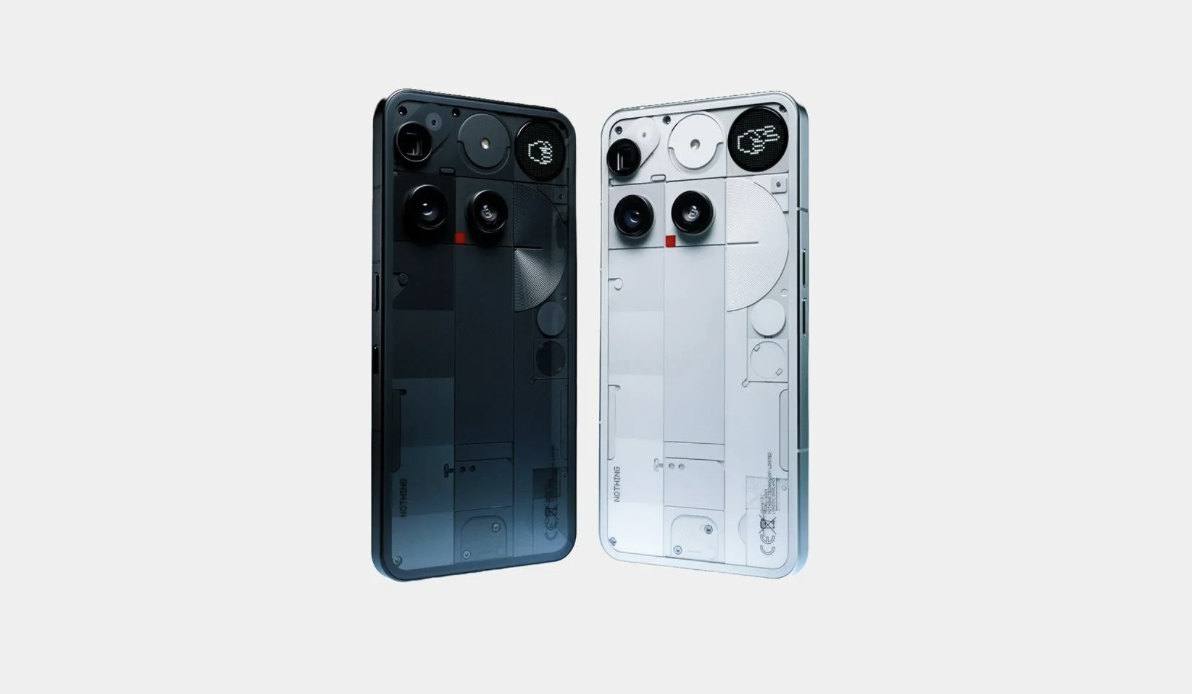
Nothing has begun rolling out its December 2025 software update for the Nothing Phone (3), focusing less on new features and more on fixing persistent issues across the system. The update targets reliability problems tied to the phone’s Glyph Matrix and addresses several everyday usability bugs, including a notable fix for Android Auto.
The headline changes center on Glyph Toys, the small interactive utilities tied to the phone’s rear LED interface. Since launch, these features have drawn attention for their novelty but have also been criticized for inconsistent behavior. According to the update notes, the “always-on” mode has been corrected so that it now remains active until manually disabled, rather than switching itself off unexpectedly. Pocket detection has also been refined, reducing accidental activations when the device is stored away.
Beyond the Glyph system, the update includes a wide range of quality-of-life improvements. Users can now display a numeric battery percentage inside the battery icon, freeing up space in the status bar. For drivers, the fix to Android Autoaddresses a freezing issue that could render in-car displays unusable, a problem that had been particularly disruptive for commuters.
Audio handling has also been adjusted. Dual SIM users can now assign different ringtones to each line, a basic feature that was missing at launch. Haptic feedback has been tuned system-wide, aiming for more consistent vibration responses. On the camera side, Nothing has corrected a bug where video encoding would unexpectedly switch from H.265 to H.264, which could affect storage efficiency and playback quality.
System-level stability improvements round out the update. Nothing cites smoother behavior on the lock screen and Always-on Display, as well as faster Wi-Fi network discovery. None of these changes radically alter how the Phone (3) works, but together they address friction points that had accumulated since release.
The update matters largely because the Phone (3) leans heavily on its Glyph interface to differentiate itself from more conventional Android devices such as the Google Pixel or Samsung Galaxy series. When those lights behave unpredictably, the distinction risks feeling cosmetic rather than practical. Improving consistency helps reinforce the idea that the Glyph system can be functional, not just visually distinctive.
For power users, the Android Auto fix and Dual SIM improvements are arguably more important than the Glyph changes. These updates address core smartphone tasks tied to work, commuting, and daily reliability rather than aesthetic appeal. While the December 2025 update does not introduce new headline features, it strengthens the foundation of the Phone (3) and suggests a shift toward refinement after a more experimental launch phase.