
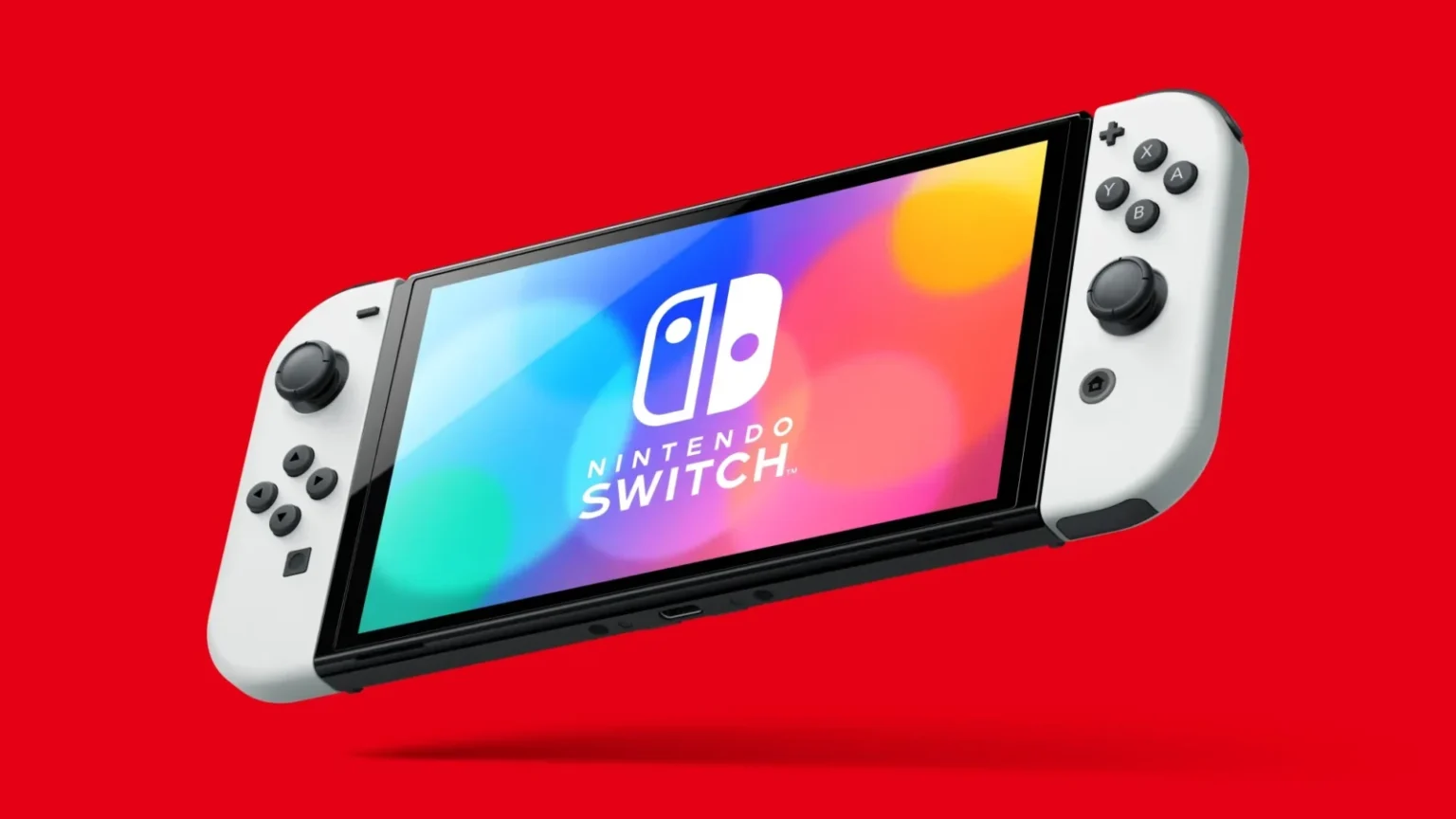
Nintendo’s Nintendo Switch has officially become the company’s best-selling console to date, surpassing the long-standing sales record held by the Nintendo DS. The milestone was reached during the most recent holiday sales period and confirmed in Nintendo’s financial results for the nine months ending December 31, 2025.
According to the company’s filings, Nintendo sold approximately 1.36 million Switch units during the period, bringing total lifetime sales to 155.37 million consoles. That figure places the Switch ahead of the Nintendo DS, which ended its lifecycle at 154.02 million units sold. The achievement underscores the durability of the Switch platform nearly nine years after its launch, at a point when most consoles have already entered steep decline.
Nintendo now expects to sell an additional 750,000 Switch units before the close of its current fiscal year on April 1. If those projections are met, the Switch will move closer to the all-time industry sales leader, the PlayStation 2, which is estimated to have sold around 160 million units globally. While the Switch is unlikely to overtake that record within its remaining lifecycle, its position near the top of the all-time rankings is already firmly established.
Released in 2017, the Switch represented a structural shift for Nintendo, combining its home console and handheld strategies into a single hybrid platform. This approach allowed the company to consolidate development resources and deliver a consistent software ecosystem across both portable and living-room play. The strategy proved particularly effective during the COVID-19 pandemic, when global demand for at-home entertainment surged. During a two-year window, the Switch sold close to 50 million units, despite supply constraints that limited availability in several key markets.
Software performance has played a central role in sustaining hardware sales. To date, more than 1.5 billion Switch games have been sold worldwide. Among first-party titles, Mario Kart 8 Deluxe remains the platform’s top seller with over 70 million units, followed by Animal Crossing: New Horizons at 49 million and Super Smash Bros. Ultimate at 37 million.
Recent releases have continued to add to the platform’s long tail. Nintendo reported that Pokémon Legends: Z-A sold 8.41 million units on the original Switch, a figure that also includes digital purchases of the Switch 2 Edition tied to the same software package. Super Mario Galaxy 2 and Super Mario Galaxy, both released in October, sold 2.42 million and 2.28 million units respectively.
Looking ahead, Nintendo’s release schedule suggests continued, if more modest, support for the platform. Titles such as Tomodachi Life: Living the Dream, arriving April 16, along with Rhythm Heaven Groove and Pokémon Champions later in the year, indicate a gradual transition phase rather than an abrupt end.
The Switch’s rise to become Nintendo’s best-selling console reflects consistent software output, flexible hardware design, and unusually long consumer demand, even as the industry increasingly turns its attention to next-generation systems.