
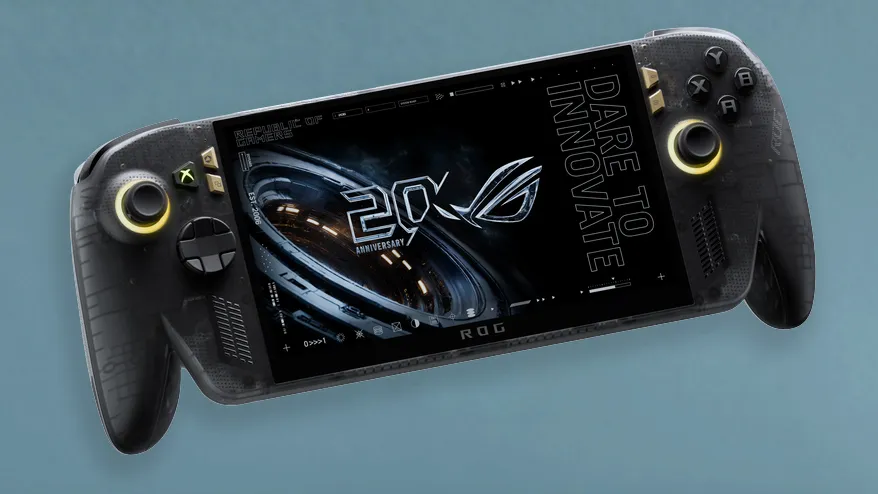
Asus has unveiled a new iteration of its Xbox-branded handheld gaming device, the ROG Xbox Ally X20, marking the 20th anniversary of its Republic of Gamers line. The most notable change is the introduction of an OLED display, addressing a common request from users of the original models released last year.
The 7.4-inch screen represents a modest size increase over the previous 7-inch panel and features what Asus describes as a Nebula HDR Display. It supports high dynamic range content with peak brightness up to 1400 nits, a 120Hz refresh rate, and the inherent contrast advantages of OLED technology. While this upgrade improves visual quality for games, particularly in darker scenes, it remains to be seen how it impacts battery life and heat management in a portable format.
The device retains the core specifications of the earlier ROG Xbox Ally X, including AMD’s Ryzen AI Z2 Extreme processor and 24GB of LPDDR5X RAM. Asus claims a revised cooling system accommodates the new screen without compromising performance. Externally, the console adopts a translucent black chassis with subtle gold accents, offering a more distinctive look while keeping internal components partially visible. The joysticks have also been updated to TMR (tunnelling magnetoresistance) sensors, which should reduce stick drift and provide more precise inputs over time compared to traditional designs.

This launch comes amid growing competition in the Windows-based handheld gaming market. Since the original ROG Xbox Ally appeared alongside the more powerful Ally X variant, devices from Valve, Lenovo, and others have set benchmarks for portability and performance. The addition of an OLED panel brings the Ally closer to premium expectations, yet it follows a pattern where manufacturers incrementally address shortcomings rather than delivering complete overhauls. Early handhelds in this category often faced criticism for battery duration and ergonomics; whether the X20 meaningfully advances those areas depends on real-world testing once units become available.
Bundled with the announcement are ROG XReal R1 Edition 20 Gaming AR Glasses, which connect to the console to project an expanded virtual screen up to 171 inches. This accessory adds an interesting layer for users seeking a more immersive experience beyond the built-in display, though it introduces questions around comfort during extended sessions and overall practicality in different environments. No pricing or release details have been shared, which leaves potential buyers in a holding pattern. Limited anniversary editions like this often appeal to collectors, but their long-term value hinges on software support and ecosystem integration with Xbox services.
The broader handheld gaming space has evolved rapidly since the Nintendo Switch demonstrated mass appeal for portable play. PC-focused options have since expanded choices for those wanting Steam, Xbox Game Pass, or other libraries on the go. The ROG Xbox Ally X20 fits into this landscape as a refined option rather than a revolutionary step, highlighting how manufacturers continue iterating on hardware to meet demands for better screens and controls. Its success will likely depend on balancing premium features with accessible pricing once details emerge.
In a market where new handhelds appear frequently, this OLED-equipped model underscores ongoing efforts to elevate the experience. Still, without confirmed availability or cost information, it serves more as an intriguing preview than an immediate recommendation for most gamers weighing upgrades.