


Spotify is experimenting with a new tool that gives subscribers more direct control over what its recommendation system delivers. The feature, called Prompted Playlist, is in early beta and currently limited to Premium users in New Zealand. Instead of relying solely on mood categories, genre filters, or algorithm-driven playlists like Discover Weekly, the tool lets listeners describe what they want in natural language and generates a mix drawn from their entire listening history — not just recent habits.
Prompted Playlist is intended to surface long-term patterns that Spotify’s automated systems already track but rarely expose. A user can request something simple, such as “music from my top artists for the last ten years,” or build more layered prompts that combine intensity, genre, and duration. The company’s example — “high-energy pop and hip-hop for a 30-minute 5K run that keeps a steady pace before easing into relaxing songs for a cool-down” — shows how the tool can construct playlists that are closer to task-specific curation than algorithmic guesswork.
The prompt editor allows users to refine results by adjusting their instructions, and there is also an Ideas section for those who want preset suggestions. Each recommended track includes an explanation of why it appears, which is a modest step toward transparency in how Spotify’s recommendation models interpret historical listening behavior. Users can also choose whether these playlists refresh on a daily or weekly cycle.
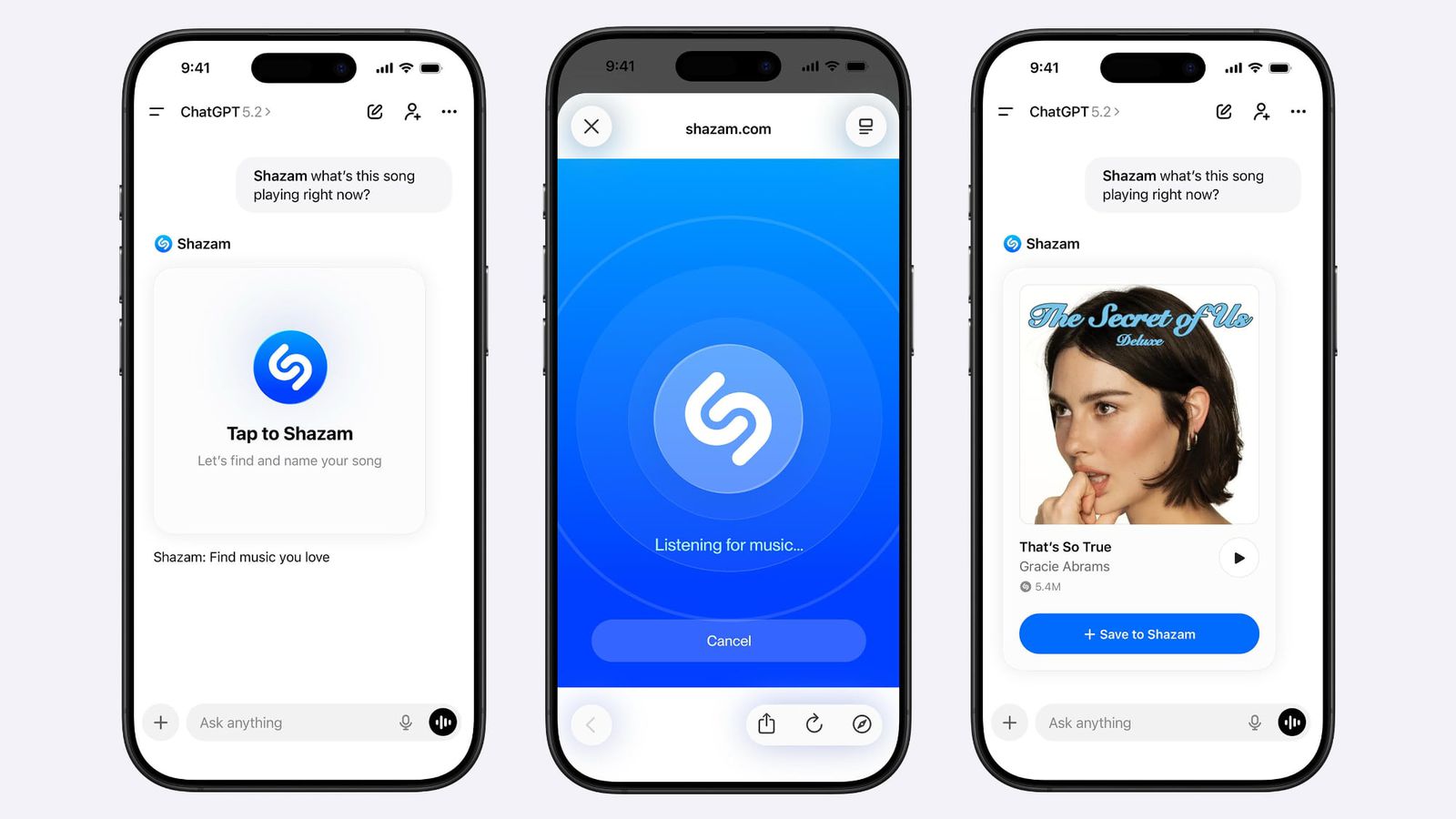
Although AI-powered music suggestions are already accessible through external tools like chatbots, Spotify’s version integrates directly into the service and pulls from years of internal data. That makes it a more comprehensive, closed-loop system that blends personal history with generative instructions rather than relying on third-party recommendation engines.
For now, the company has not committed to a broader rollout. The test is limited by geography, language, and subscription tier, which suggests Spotify is still evaluating how the feature fits into its broader strategy for personalization. As the platform continues to experiment with ways to keep users engaged without overhauling its core interface, Prompted Playlist represents a continued attempt to make the algorithm feel more user-directed rather than opaque.