
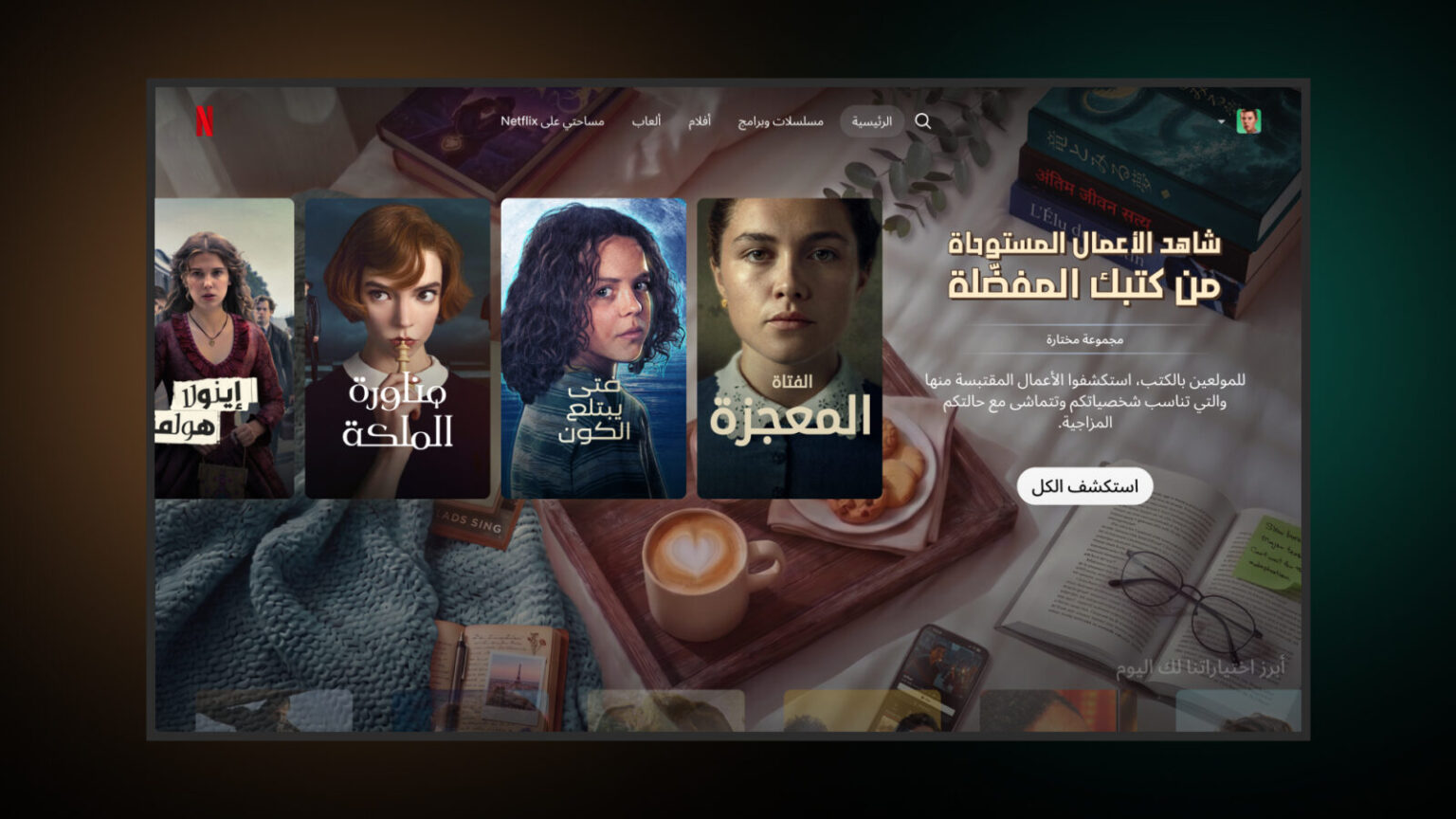
Netflix is rolling out a new curated section called “Watch Your Favorite Books,” designed to group together films and series adapted from or inspired by literature. Launched around June 2, 2026, the hub brings together a range of book-based content across genres, aiming to help users move from page to screen more easily. Rather than a radical shift, this feels like a logical extension of Netflix’s ongoing strategy to organize its vast library around audience interests, similar to previous themed collections.
The collection is structured around nine reader personas: Amazing Characters, Immersive World-Building, Great Plot Twist, Swoonworthy Romances, Nonfiction Fanatic, History and Period Piece Buff, All-Age Adventures, Manga and Comics, and Wild about Web Stories. This approach tries to match viewing recommendations to different reading tastes, which could make discovery simpler for fans who already know what they like. It includes everything from long-running sagas to lighter fare, reflecting the broad appeal of literary adaptations in recent years.
A notable element is the inclusion of regional Arab productions. Egyptian titles such as “A Nose and Three Eyes,” “Birds of the Nile,” “Kira & El Gin,” “Paranormal,” and “People of the Cave” sit alongside Saudi series like “AlKhallat+” and “Alkhallat+: The Series” in the web stories category, plus the Algerian film “The Last Queen.” These additions provide some geographic diversity, though the overall selection still leans heavily on established international hits. In a market where Hollywood often dominates book adaptations, spotlighting local stories offers modest value for Middle Eastern audiences seeking culturally relevant options.
Book-to-screen adaptations have a long and uneven history. While some like early Harry Potter films or “The Lord of the Rings” became cultural touchstones, many others struggle to capture the nuance of their source material. Netflix has invested heavily in this space over the past decade, with varying success. The platform’s strength lies in volume and accessibility, yet critics have noted that quantity sometimes comes at the expense of depth or fidelity to original texts. Whether “Watch Your Favorite Books” genuinely expands horizons or mainly recycles familiar titles remains to be seen.
Mansi Patel, Senior Director of Product Merchandising at Netflix, described the collection as a response to fan interest in literary adaptations. It builds on earlier experiments like the Zodiac-themed watchlist, using the service’s redesigned interface to create a more guided experience. The goal appears to be turning casual browsers into dedicated viewers by mirroring the satisfaction of a growing “to be read” pile with a “to be watched” list.
For avid readers and casual fans alike, this hub arrives at a time when streaming competition is intense and attention spans are fragmented. It offers convenience, especially for those searching for their next story, but risks feeling like another algorithmic wrapper around existing content. As Netflix continues refining how it presents its catalogue, collections like this highlight both the opportunities and limitations of translating literature to television and film in the digital age.
Ultimately, “Watch Your Favorite Books” provides a centralized spot for exploration, available globally on the Netflix homepage and at netflix.com/books. Its real test will be whether it sparks genuine new discoveries or simply reinforces existing viewing habits during a period when platforms are fighting harder than ever for subscriber engagement.