

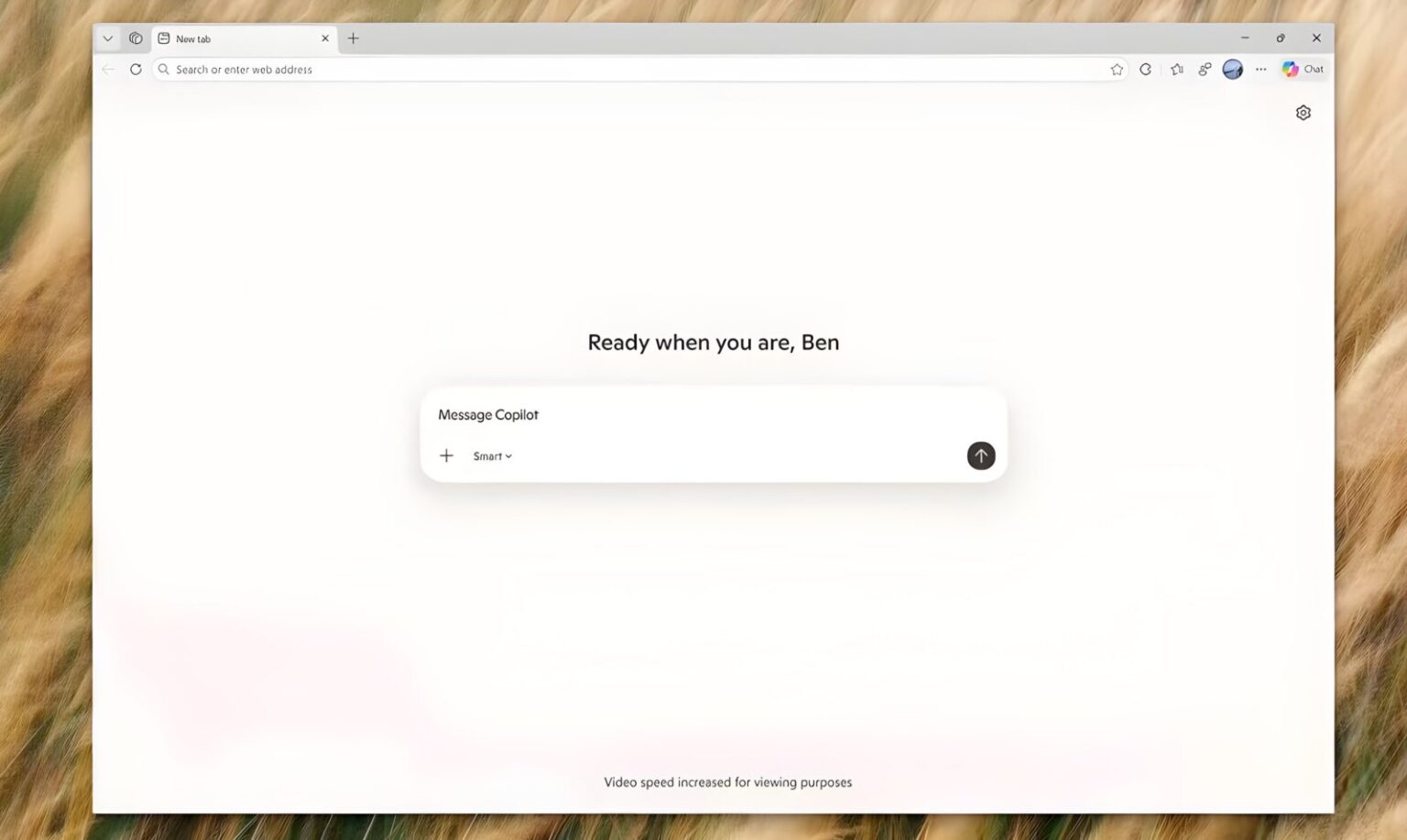
Just two days after OpenAI unveiled its ChatGPT Atlas browser, Microsoft announced a remarkably similar product: a new “Copilot Mode” built directly into its Edge browser. The update effectively turns Edge into an AI-driven browsing environment, positioning Microsoft squarely in the emerging “AI browser” race that OpenAI helped ignite earlier in the week.
In a post introducing the feature, Mustafa Suleyman, CEO of Microsoft AI, described the new mode as “an AI browser that is your dynamic, intelligent companion.” Copilot Mode can view open tabs, summarize and compare web content, and even take direct actions like booking a hotel or filling out forms—provided users grant it permission. The rollout is part of a broader strategy to make Microsoft’s Copilot AI a constant presence across the company’s ecosystem, from Windows to Microsoft 365.
The timing of the announcement has drawn attention, given its proximity to OpenAI’s Atlas release. While Microsoft’s update has been in development for months, the visual and conceptual overlap between the two products is difficult to miss. Both feature integrated chat panels, context-aware summarization, and automation tools that act on behalf of the user. Even the design elements—minimal interfaces, floating chat windows, and modernized layout cues—look strikingly alike.
Microsoft, however, is leveraging its existing ecosystem as a differentiator. Copilot Mode integrates directly with Windows accounts and Edge’s browsing data, enabling deeper personalization and potentially smoother cross-platform performance than OpenAI’s macOS-only Atlas browser. That said, OpenAI’s version benefits from tighter integration with its latest large language models and more experimental AI agent features, including memory persistence across browsing sessions.
The sudden back-to-back launches highlight how rapidly the idea of an AI-native browser is moving from concept to competition. For users, the difference may come down to ecosystems—those already embedded in Microsoft’s services may find Copilot’s Edge integration more seamless, while others drawn to OpenAI’s standalone approach might prefer Atlas.
Functionally, both browsers reflect a shift in how people are expected to interact with the web: less through search and manual navigation, and more through conversational, task-based assistance. Whether users actually want to hand over that level of control to an AI remains an open question. But the near-simultaneous debuts from Microsoft and OpenAI underscore that, for better or worse, browsing is becoming another frontier for AI rivalry.