


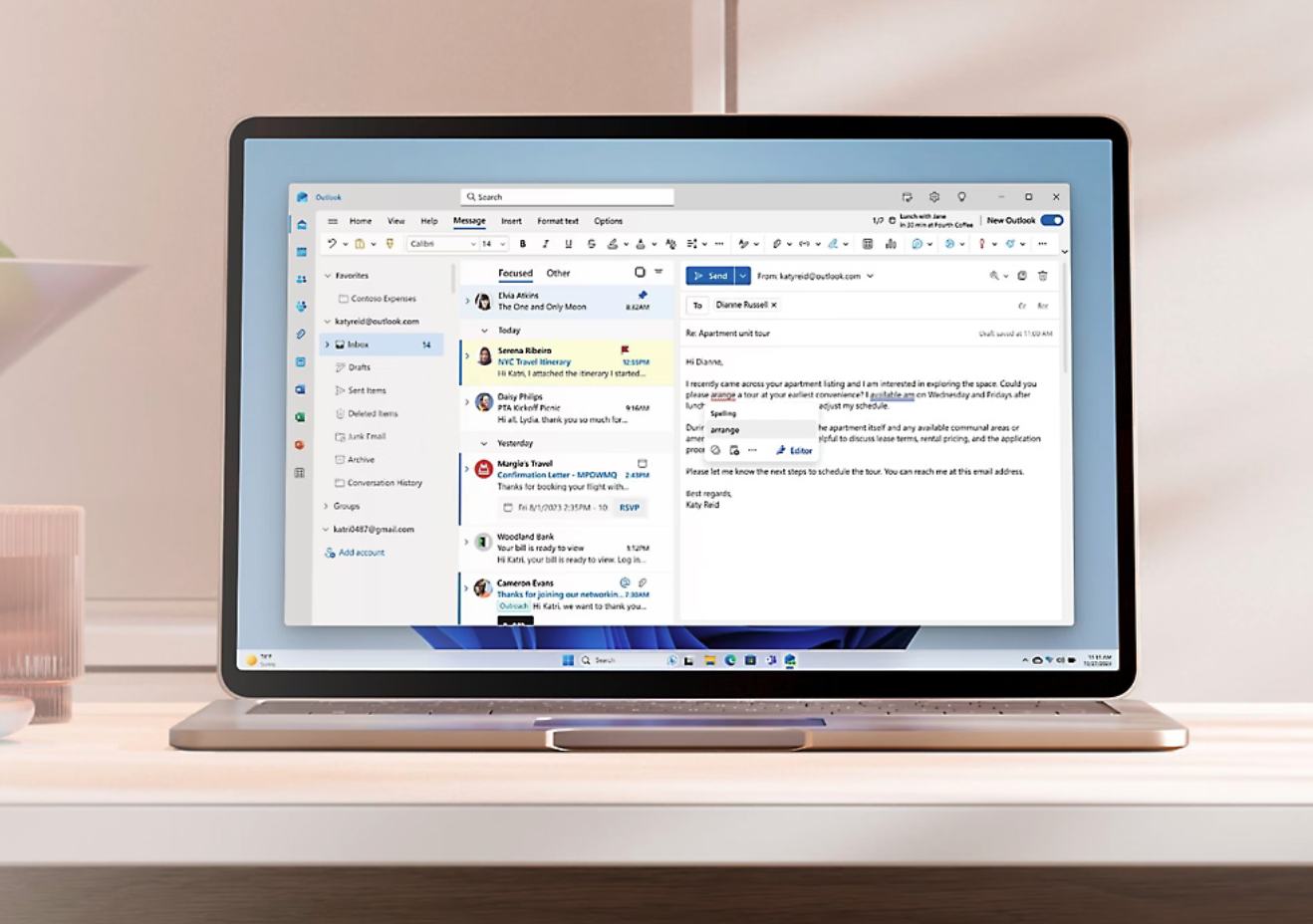
Microsoft has released a second emergency, out-of-band update for Windows 11, this time to address crashes and instability affecting Outlook following the company’s January 2026 security updates. The patch arrives just a week after Microsoft issued another last-minute fix for a separate set of problems that left some Windows devices unable to shut down or hibernate.
According to Microsoft, the latest issue primarily affected applications that open or save files stored in cloud-backed locations. In practical terms, this meant that some users experienced apps freezing, becoming unresponsive, or displaying error messages when interacting with cloud-synced files. The most visible impact was on Microsoft Outlook, which in some cases failed to open or crashed outright when PST data files were stored in services such as OneDrive.
These problems emerged after the January 2026 Patch Tuesday release, which included routine security fixes. While those updates addressed vulnerabilities, they also introduced unintended side effects for a subset of users, particularly those relying on cloud storage integrations for everyday workflows. For enterprise users and remote workers who depend on Outlook and cloud-hosted files, the crashes were disruptive enough to warrant immediate action rather than waiting for the next scheduled update cycle.
Out-of-band updates are relatively rare in Microsoft’s update strategy and are typically reserved for issues considered serious or widespread. Earlier in January, Microsoft issued a separate emergency patch to resolve a bug that prevented some Windows 11 systems from shutting down or entering hibernation. At the same time, other users on Windows 10 and Windows 11 reported being unable to log in through remote connections. Together, the incidents suggest a rocky start to the year for Microsoft’s update pipeline.
The company says the newly released patch is cumulative, meaning users who install it do not need to apply the earlier emergency update separately. Once installed, the update should resolve both the Outlook crash issue and other problems introduced by the January security release. Microsoft has not indicated that additional action is required beyond installing the update through standard Windows Update channels.
While Microsoft has not shared detailed technical explanations for what caused the cloud file handling bug, the incident highlights the growing complexity of modern operating systems that are tightly integrated with online services. Features designed to make file access seamless across devices can also introduce new points of failure when updates do not account for every configuration.
For now, Microsoft says affected systems should return to normal behavior after installing the patch. The company has not announced whether it plans to make changes to its testing or rollout process in response to the back-to-back emergency fixes. However, the need for two out-of-band updates tied to a single month’s security release may raise concerns among users and IT administrators about update stability going forward.