
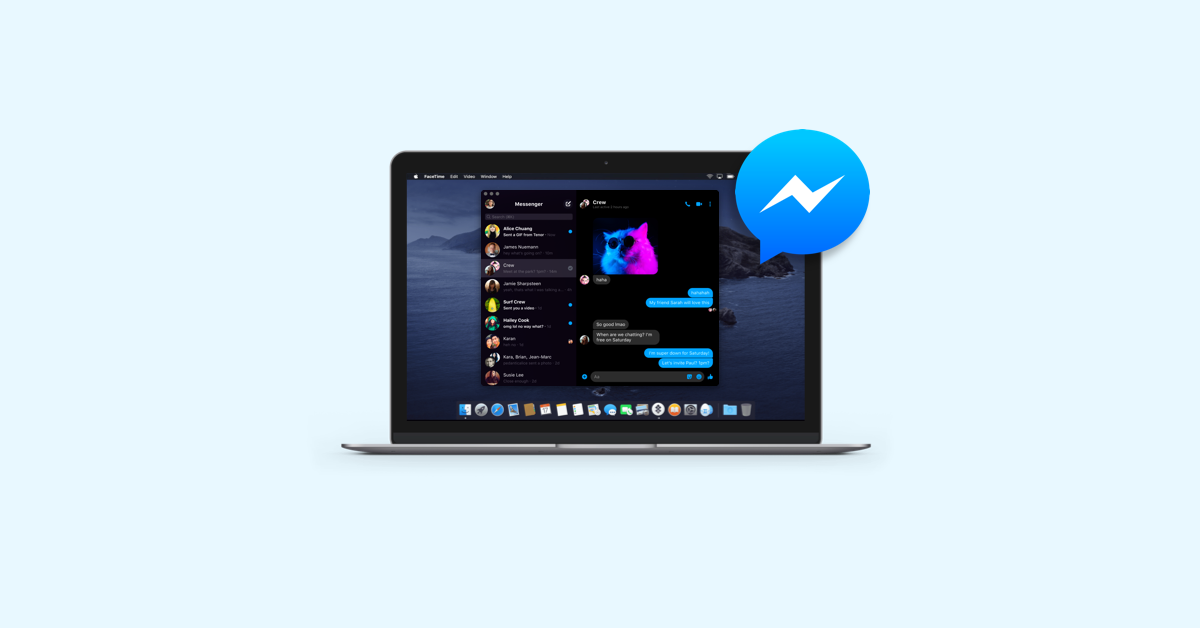
Meta is preparing to shut down the standalone Messenger website, ending direct web access to the service outside of Facebook’s main platform. Starting in April, users who visit Messenger.com will be redirected to facebook.com/messages, the messaging section embedded within Facebook itself.
The decision follows Meta’s earlier move to discontinue Messenger desktop apps for Windows and macOS. With the standalone website removed, Messenger on PC will no longer exist as a separate experience. Instead, desktop users will need to access their conversations through a Facebook account in a browser or switch to the mobile apps on iOS or Android.
Functionally, the messaging experience is not changing. Conversations, media, and chat history will remain intact. However, access pathways are narrowing. Users who relied on the Messenger website without maintaining an active Facebook profile will face a choice: reactivate a Facebook account to continue using Messenger on desktop, or rely exclusively on the mobile app.
For some, the distinction matters. Messenger was originally spun out as a separate brand and platform, allowing users to communicate without engaging directly with Facebook’s broader social network. Over time, Meta has shifted toward consolidation, bringing services closer together under a unified infrastructure. Redirecting Messenger web traffic to Facebook Messages is consistent with that strategy.
Meta has not issued a detailed public explanation beyond support documentation outlining the change. Industry observers point to service consolidation and declining desktop usage as likely factors. Messaging behavior has increasingly centered on smartphones, where app-based communication dominates. Maintaining separate desktop applications and a standalone website may no longer align with usage patterns.
At the same time, Meta continues to invest in other web-based messaging tools. WhatsApp Web, for example, has recently expanded to include voice and video calling capabilities, strengthening its appeal for users who prefer communicating from a computer. While Messenger’s web presence is being scaled back, Meta’s broader messaging ecosystem remains active.
The shutdown of the Messenger website marks the end of an era for users who preferred a lightweight, Facebook-independent messaging portal on desktop. Going forward, Messenger access on PC will be tied directly to Facebook’s core site, reinforcing Meta’s move toward a more centralized platform structure.