

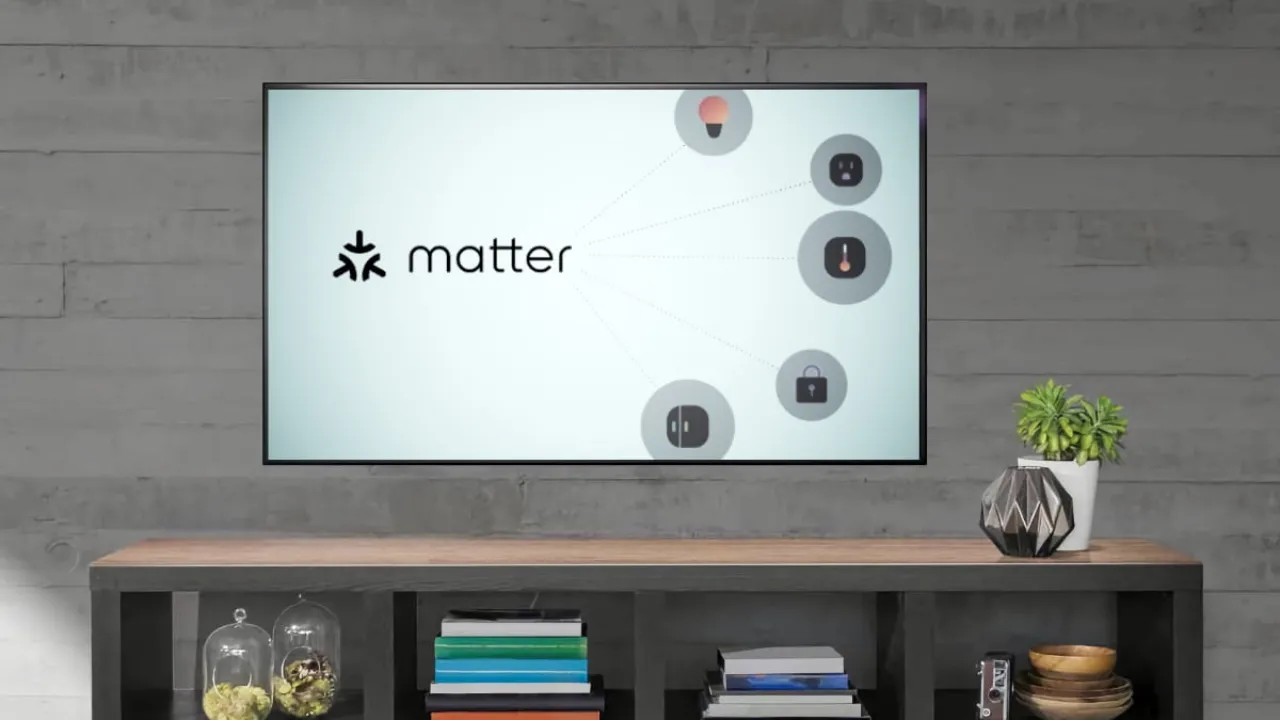
Matter 1.5 is now official, and it marks one of the more substantial updates to the smart-home standard in recent months. The Connectivity Standards Alliance is broadening the types of devices the ecosystem can support, giving manufacturers new options and promising users more consistent controls across brands. The release brings native support for security cameras, smart blinds, soil sensors, and expanded energy-management tools—areas that have long been requested by both developers and consumers trying to unify smart-home setups.
Earlier incremental releases this year focused mainly on tightening stability and security. Matter 1.4.2, for instance, refined scene handling and added Wi-Fi–only commissioning to reduce setup friction. Matter 1.5, by contrast, shifts toward enabling entirely new categories of hardware. Companies can immediately begin building and certifying products that use these additions, meaning the broader benefits will only emerge as updated devices reach the market.
Official support for cameras is likely to get the most attention. With this update, devices can use WebRTC for live video streams and two-way audio, while also offering pan-tilt-zoom functions, privacy zones, detection zones, and flexibility around storage methods—whether cloud-based or local. Importantly, the standard doesn’t force brands to abandon their own app ecosystems, aiming instead to ensure that foundational features work consistently across platforms.
Matter 1.5 also expands its handling of closures such as blinds, curtains, gates, and garage doors. Instead of each brand implementing its own approach, the update moves these categories toward more uniform behavior so users don’t have to relearn controls every time they install a new product. This applies to automation as well, allowing different devices to participate more predictably in routines regardless of manufacturer.
Garden-focused features are another welcome addition. Soil sensors can now report moisture and temperature through Matter, enabling irrigation systems to make smarter decisions about watering. By tying these sensors into broader automations, homeowners can reduce waste while achieving more reliable plant care.
Energy management sees one of the most forward-looking improvements in this release. Devices can access standardized information about electricity tariffs, real-time pricing, and even grid carbon intensity. Over time, that data could help appliances decide when to run at lower cost or lower environmental impact, making schedules and automation more practical rather than purely manual.
Taken together, Matter 1.5 is a meaningful step toward a more interoperable smart-home environment. While its impact will depend on how quickly manufacturers adopt the new capabilities, expanding device support and improving underlying data tools moves the standard closer to its intent: reducing fragmentation and offering households a consistent, predictable way to unify their technology without leaning on a single brand’s ecosystem.