
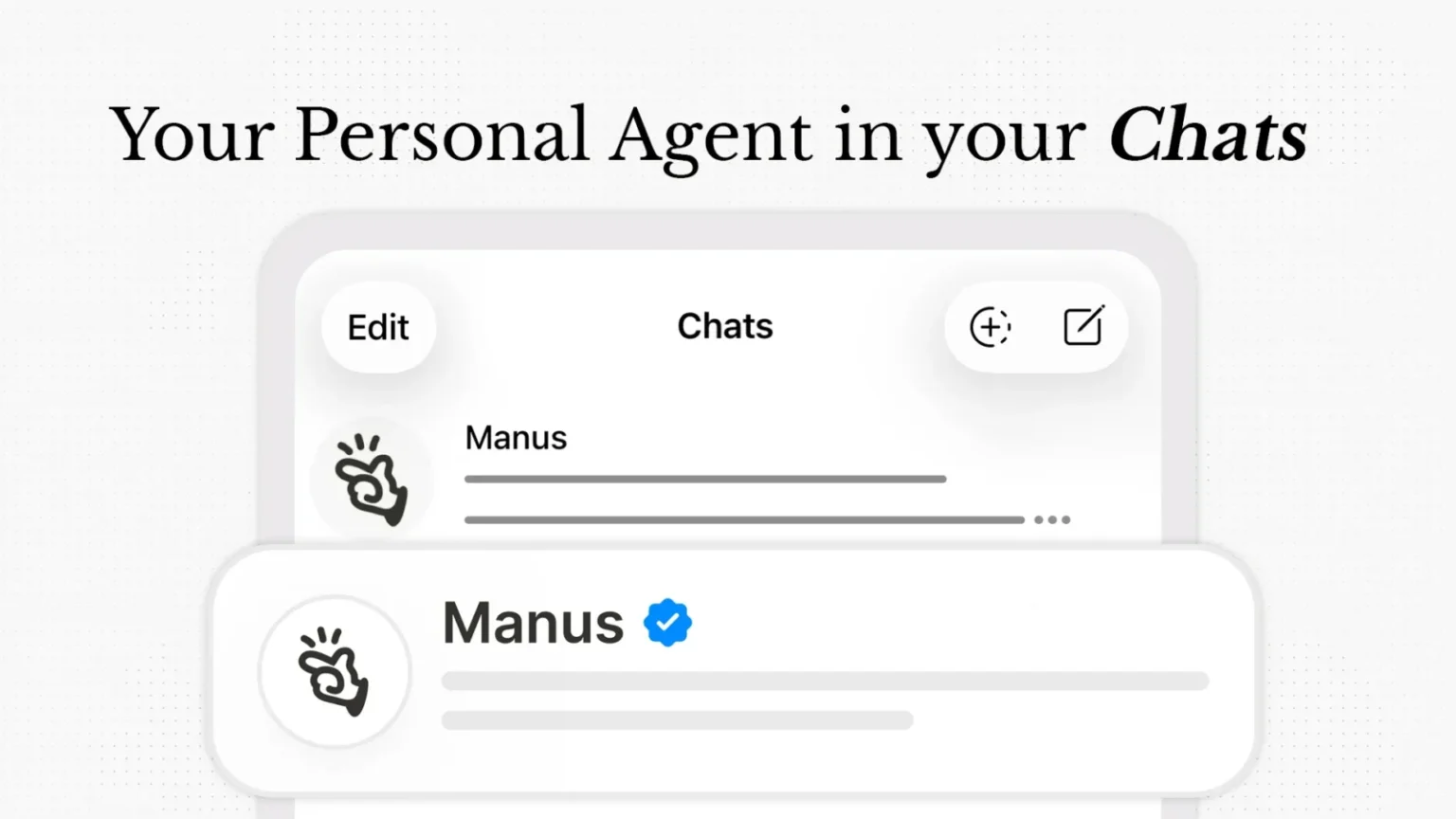
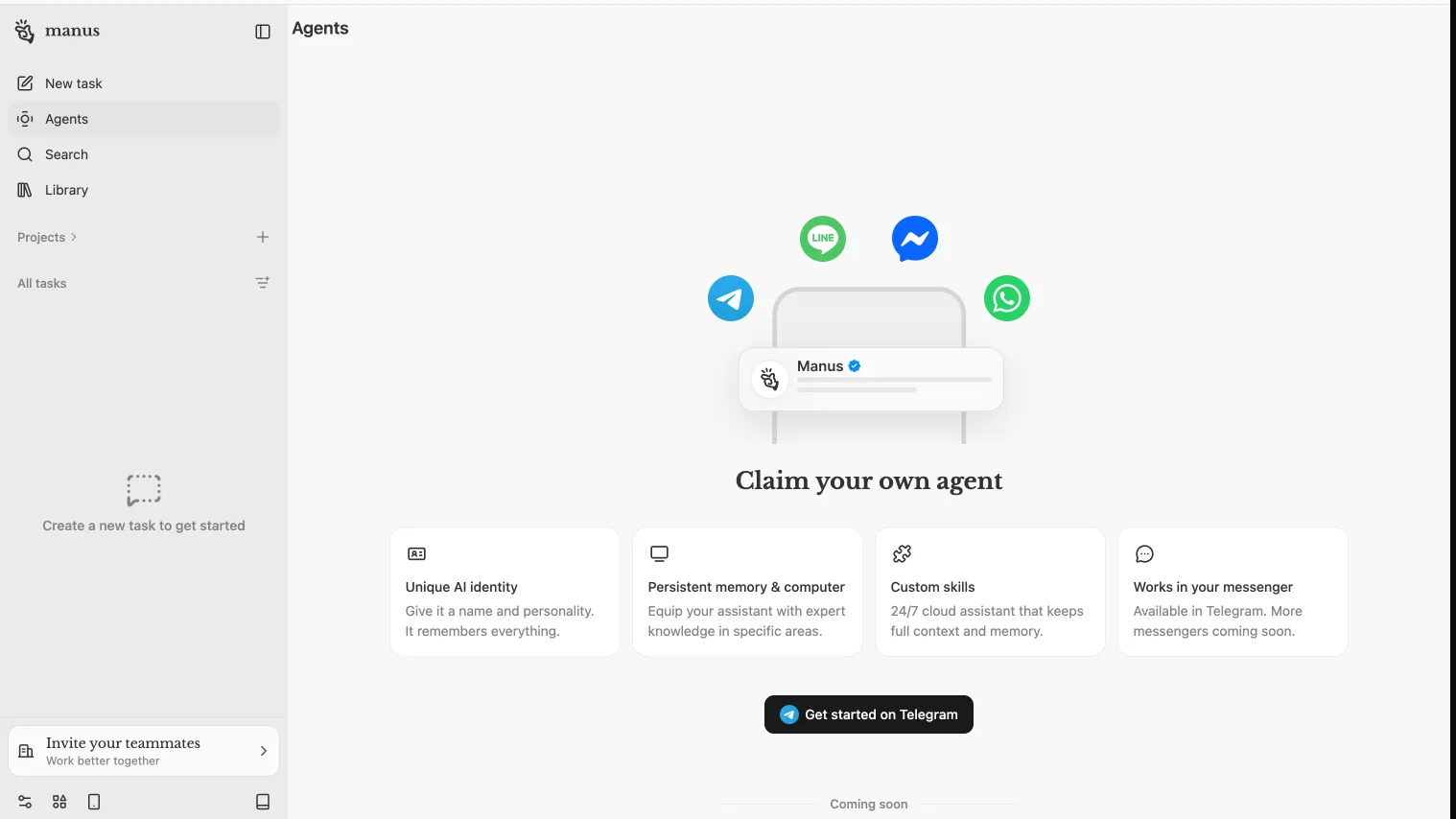
Manus has introduced a new feature called Manus Agents, expanding its AI agent platform directly into messaging apps. The first supported channel is Telegram, with availability rolling out to all users across subscription tiers starting today. Additional messaging platforms are expected to follow.
The concept of running a personal AI agent through chat is not new. However, many existing tools require manual configuration, API integrations, or ongoing infrastructure management. Manus Agents is positioned as a streamlined alternative, removing much of that setup. Instead of deploying scripts or managing tokens, users connect their Manus account to Telegram through the Agents tab in the Manus workspace, scan a QR code, and begin interacting with their agent inside a private chat.
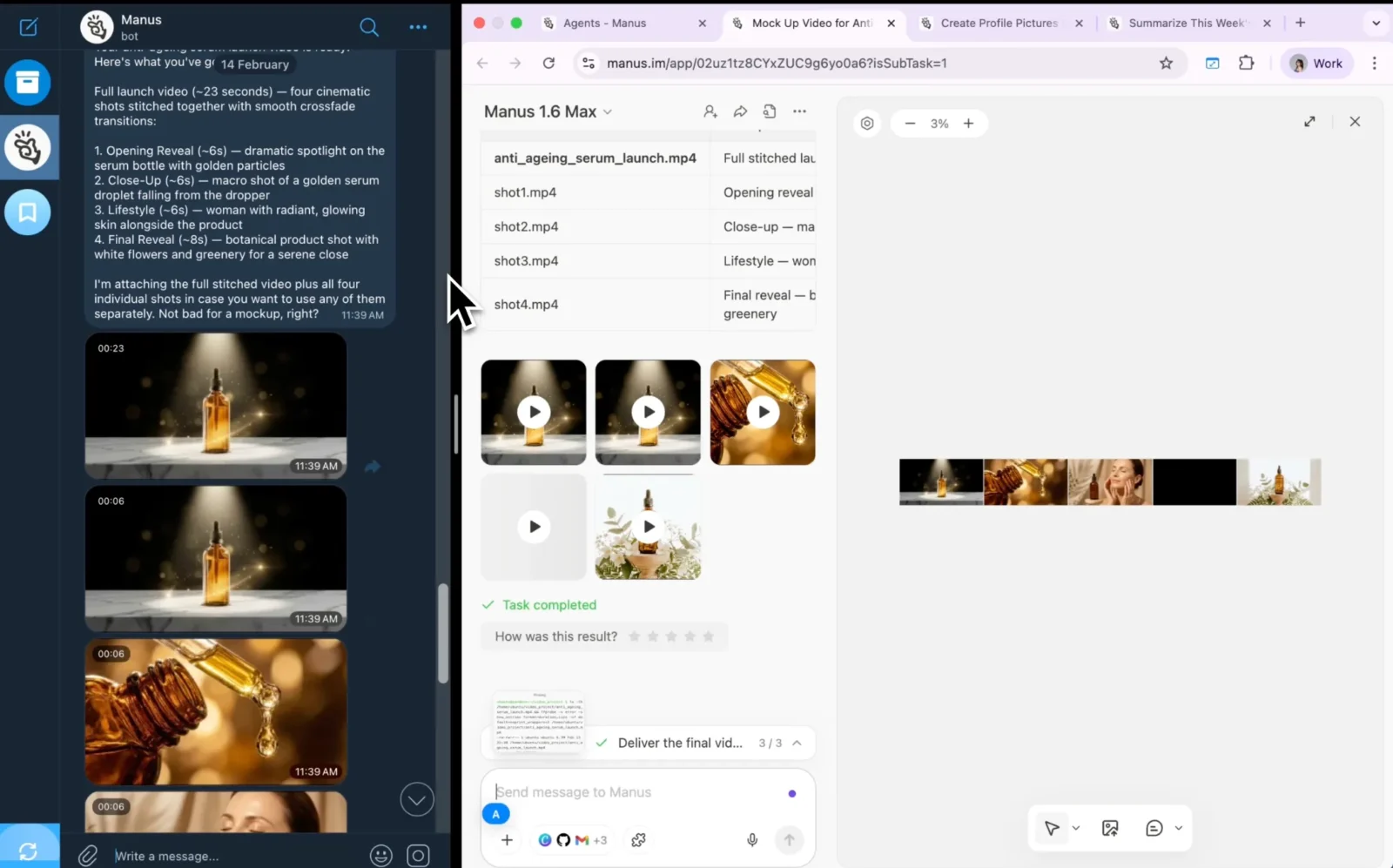
According to Manus, this is not a limited chatbot extension. The Telegram-based agent runs on the same core system as the web version, including multi-step reasoning, task orchestration, and access to the broader Manus toolkit. That means users can initiate structured workflows—such as research assignments, document generation, or data analysis—directly from chat and receive outputs in the same thread.
The system also supports voice messages, images, and file uploads. Voice inputs are transcribed and interpreted before tasks are executed. Photos and documents can be analyzed or transformed, with the agent returning structured outputs without requiring users to manually move files between platforms. Communication style can be customized as well, allowing responses to remain concise, structured, or conversational based on user preference.
Manus Agents offers model selection within chat. Users can choose between Manus 1.6 Max and Manus 1.6 Lite depending on task complexity. Manus 1.6 Max is optimized for deeper reasoning and creative, multi-step workflows, while Manus 1.6 Lite prioritizes faster responses for simpler queries and summaries. Both models support end-to-end task completion, but with different trade-offs in speed and depth.
Several practical use cases illustrate the approach. A user can send a voice request to set up a recurring meeting summary task, connecting the agent to email tools and receiving scheduled reports in Telegram. Creative tasks such as generating profile image variations from a shared photo are also supported. Product teams can submit an image and short brief to receive a structured video concept outline, including suggested scenes and visual direction.
Security remains a key concern when integrating AI into messaging platforms. Manus states that the agent only has access to messages sent within the direct private chat. It cannot read or interact with other Telegram conversations, groups, or contacts. The Telegram integration also works with existing Manus projects, connectors, and configurations, ensuring continuity between the web workspace and chat-based interactions.
Manus Agents reflects a broader trend in AI product design: shifting from standalone dashboards toward embedded assistants within everyday communication tools. By placing a full-featured AI agent inside Telegram, Manus is testing whether users prefer task execution to happen where conversations already occur, rather than behind a separate login.