
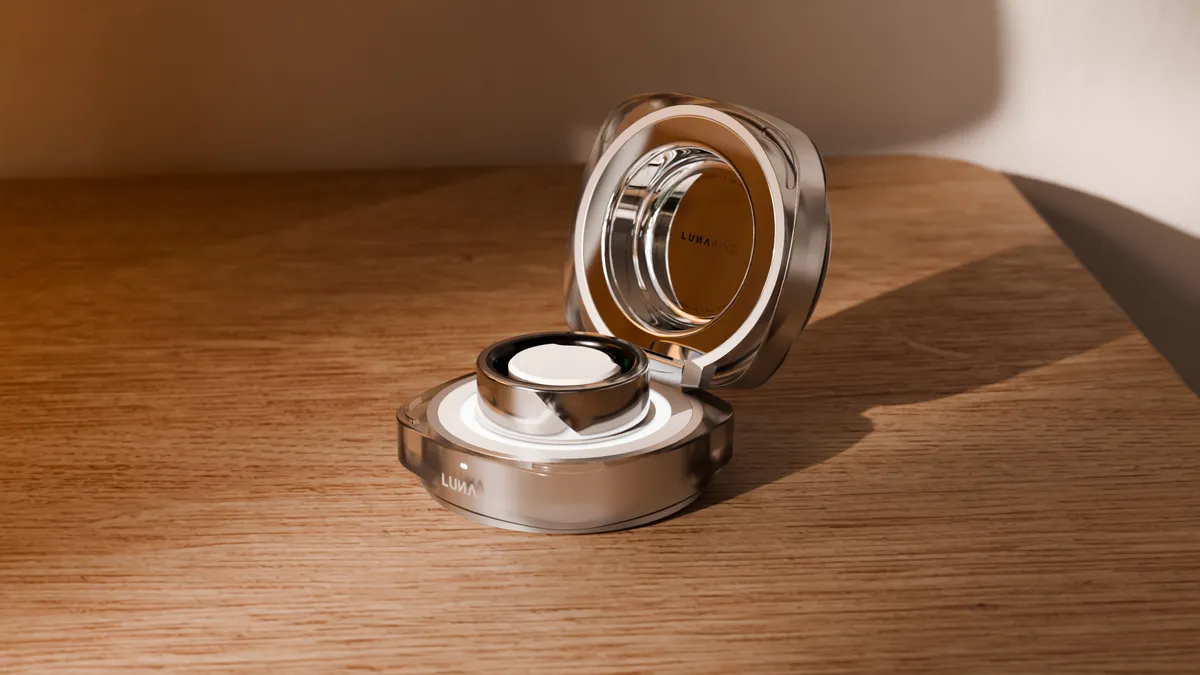
The Luna Ring Gen 2 is being described as the first wearable you can talk to, adding voice interaction to a category that has largely depended on companion apps for manual input. While smart rings and wrist-based fitness trackers already monitor sleep, activity, stress, and recovery metrics, voice logging introduces a different layer of interaction — one that aims to reduce reliance on smartphone screens.
The device, developed by health tech company Luna under parent firm Nexxbase, now supports Luna Voice, a feature that allows users to speak directly to the ring to log activities it cannot automatically detect. For example, users can verbally record meals, supplements, caffeine intake, or workouts. The system can also answer health-related questions, delivering responses through a connected smartphone or compatible earbuds.
The technology was first previewed at CES 2026 alongside the Luna Band, a screenless wrist tracker positioned similarly to devices like Whoop 5.0. Both the band and the ring rely on Luna’s AI platform, LifeOS, which integrates with Siri and runs on Google’s Gemini models. However, unlike the band — which has not yet received a release date — the Luna Ring Gen 2 with Luna Voice is currently available in select markets.
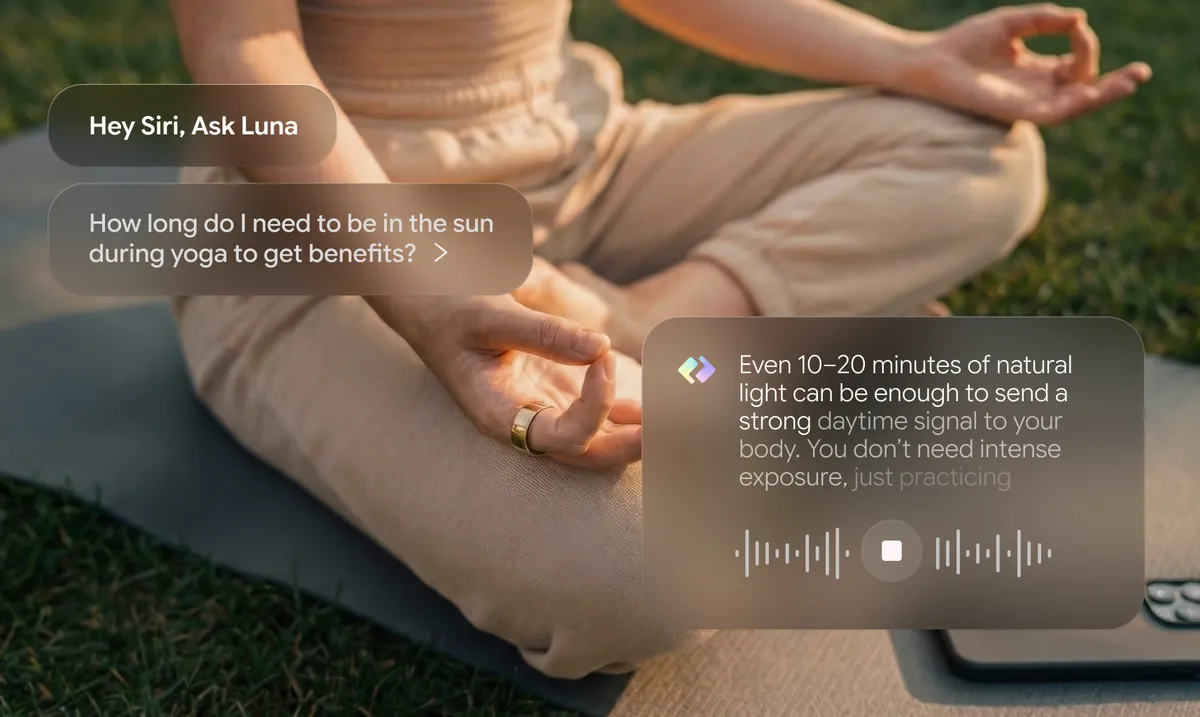
The broader wearable market has been moving toward more passive tracking, with companies trying to minimize manual data entry. Voice interaction attempts to address a long-standing limitation in smart rings: the inability to fully capture contextual behavior without user input. Whether voice logging meaningfully improves long-term adherence remains to be seen, but it does offer a more immediate alternative to opening an app and manually entering data.
Pricing for the Luna Ring Gen 2 is set at $329. Unlike several competitors, the device does not require a subscription fee for access to core features, which could influence buyers comparing long-term ownership costs. Devices such as the Oura Ring, for instance, typically involve ongoing membership fees for full analytics access.
However, the Luna Ring is not currently available in the United States. In November, Oura filed a complaint with the U.S. International Trade Commission alleging patent infringement against several companies, including Samsung, Reebok, Zepp Health, and Nexxbase. In early January, Nexxbase agreed to voluntarily withdraw from the U.S. market while the matter proceeds. As a result, American consumers cannot currently purchase the Luna Ring.
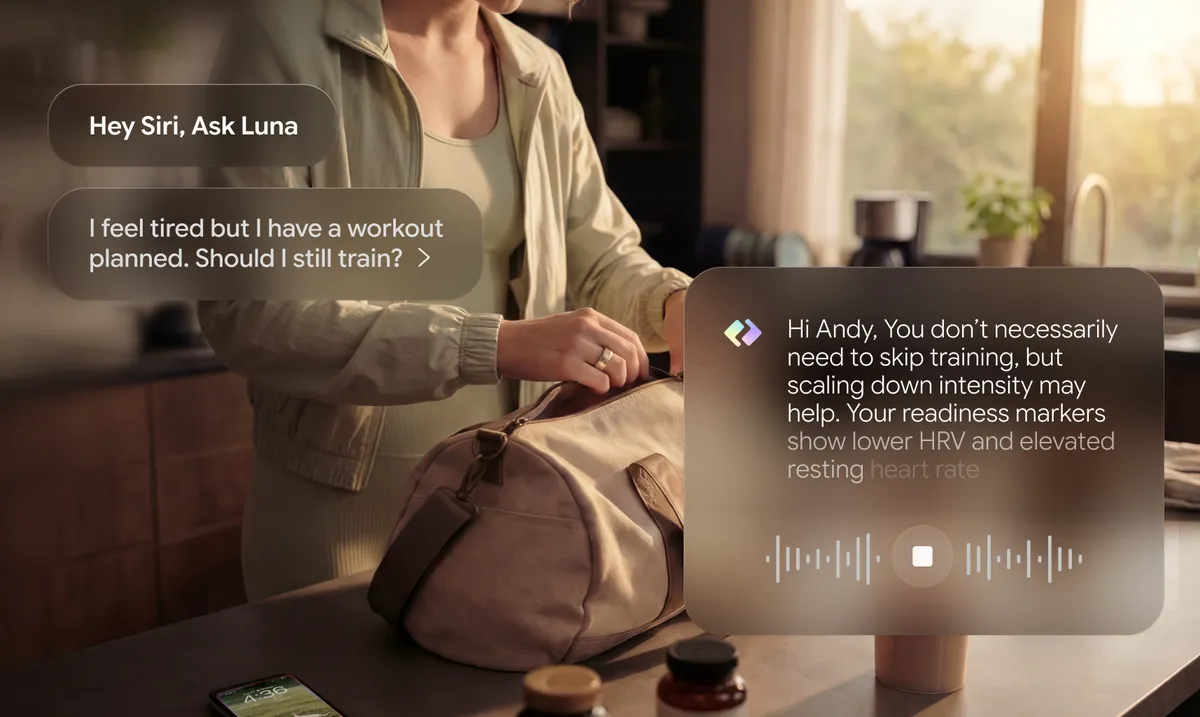
The introduction of a wearable you can talk to reflects a broader shift in how health data is collected and interpreted. Voice-enabled fitness trackers and AI-powered smart rings are likely to become more common as manufacturers look for ways to differentiate in an increasingly crowded market. Whether this approach becomes standard or remains a niche feature will depend on reliability, privacy considerations, and how seamlessly voice integration fits into everyday routines.
For now, the Luna Ring Gen 2 stands out less for marketing claims and more for testing a new interface model within wearable health technology — one that reduces screen time while expanding how users interact with their biometric data.