


At CES 2026, Luna has introduced the Luna Band, a screenless fitness wearable positioned as an alternative to subscription-based recovery trackers such as Whoop. The defining feature of Luna’s announcement is not a new sensor or form factor, but the absence of an ongoing monthly fee, a pricing model that has become increasingly common across the health wearable market.
Wearables are now firmly mainstream, but the cost of ownership has quietly risen. Devices that promise deeper insights into sleep quality, recovery, and stress often lock those features behind subscriptions, even after users have paid a premium upfront for hardware. Whoop is frequently cited in this debate: its recovery metrics and training guidance are widely respected, but access depends entirely on a recurring payment. For users who want practical guidance rather than dense charts and dashboards, that model can feel difficult to justify.
Luna is attempting to differentiate itself by offering continuous health tracking and recovery analysis without that additional layer of cost. The Luna Band builds on the company’s earlier work in smart rings, extending its approach to a wrist-based format that focuses on passive data collection. According to Luna, the Band tracks health metrics around the clock, including recovery, stress, and sleep patterns, and translates them into guidance rather than raw data streams.

A key part of that strategy is voice interaction. Luna says the Band is designed to provide real-time, voice-led health guidance, allowing users to log meals, annotate emotional states, or ask for advice without navigating an app interface. On iOS, this functionality is expected to integrate with Siri, while details around Android support remain unclear. That gap could be significant, given the size of the Android user base among fitness wearable owners.
Behind the scenes, the Luna Band runs on the company’s LifeOS platform, which processes large volumes of physiological data locally to identify trends related to recovery, circadian rhythm alignment, and stress. Luna also suggests it can detect longer-term patterns, including hormonal fluctuations, though those claims will need independent validation once devices reach users.
From a hardware perspective, Luna describes the Band as using a high-grade optical sensor array alongside a six-axis inertial measurement unit. This combination is intended to capture subtle variations in movement and biometrics, enabling detection of short recovery windows and stress responses that simpler trackers may overlook. As with any wearable in this category, real-world accuracy will ultimately determine its value.
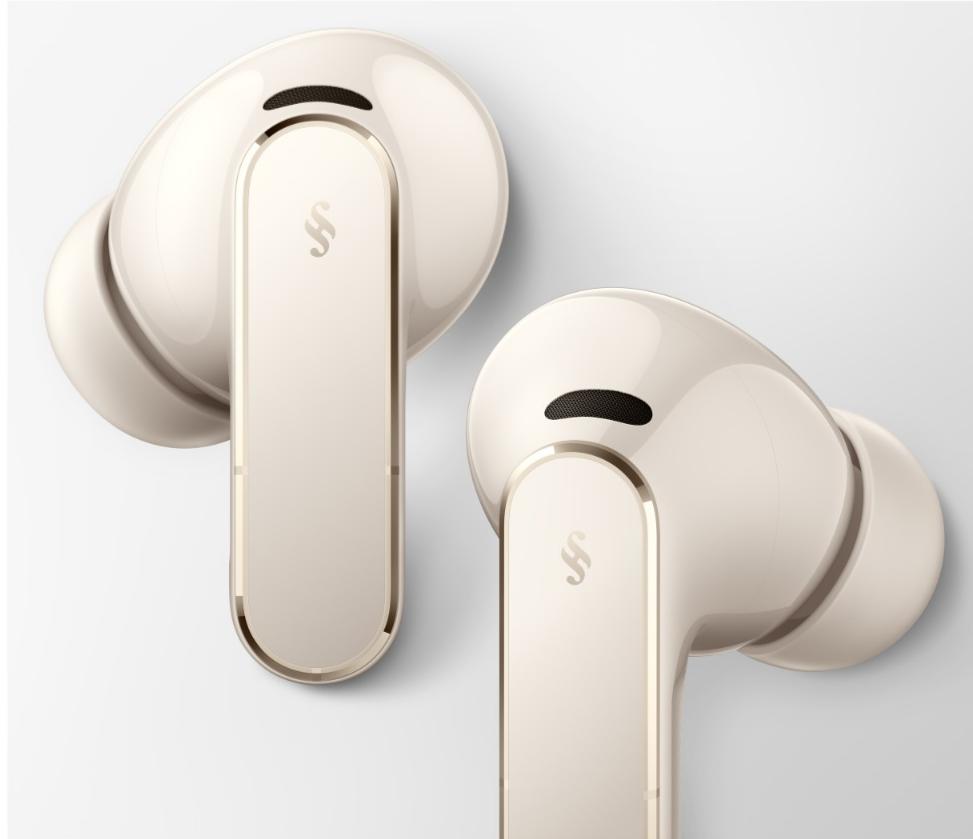
Visually, the Luna Band aligns closely with other minimalist, screen-free wearables, designed to stay unobtrusive while continuously collecting data. Luna has confirmed the Band will launch later in 2026, but pricing and exact availability have not yet been disclosed. Whether the absence of a subscription is enough to sway users away from established competitors will depend on how well Luna delivers on its promise of clear, actionable insights without added complexity.