


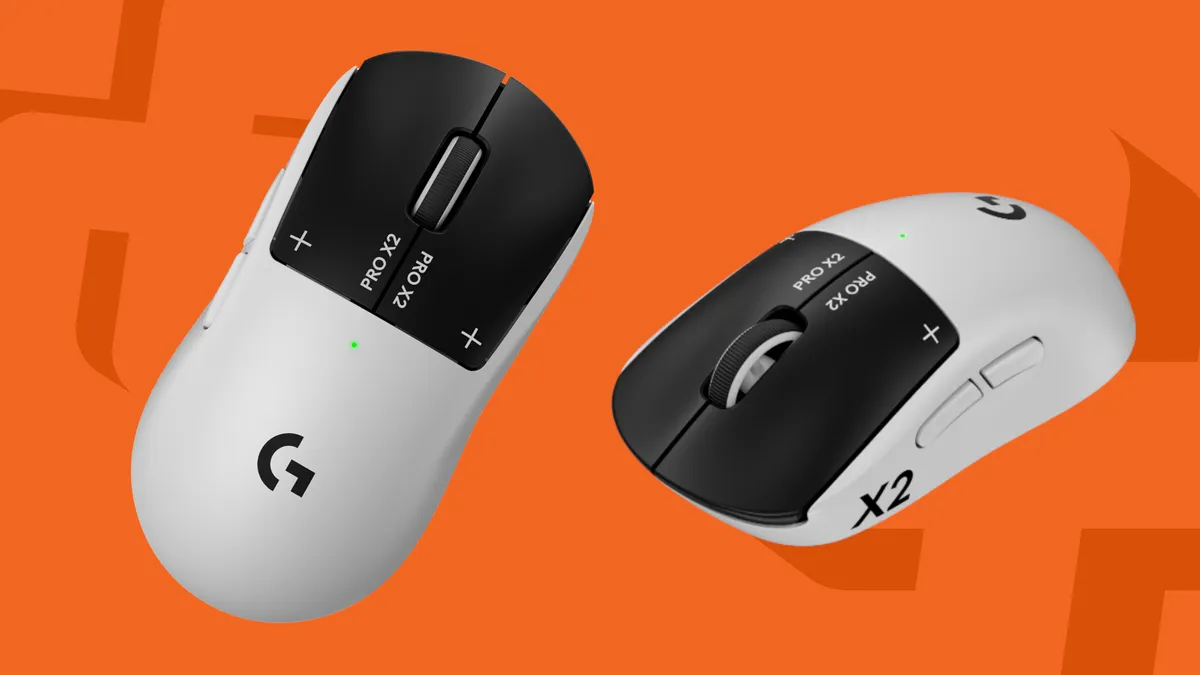
Logitech is preparing to release a new flagship gaming mouse, and in doing so it is stepping away from one of the traits that helped define its recent high-end designs. The upcoming Logitech G Pro X2 Superstrike replaces traditional mechanical switches with a pressure-based haptic system, a move that appears aimed squarely at professional and highly competitive players rather than everyday users.
For years, the appeal of the G Pro X Superlight line has gone beyond raw specifications. The light weight, consistent sensor performance, and especially the sharp, predictable click response helped the mouse earn trust among competitive players who rely on muscle memory and feedback. Mechanical switches, for all their limitations, offered a familiar physical confirmation that many players value. The Superstrike abandons that approach entirely.
Instead, Logitech is introducing an analog-style input system that detects finger pressure earlier than a conventional click. The idea is to reduce the time between intent and action, allowing players to trigger inputs with less physical movement. Users can reportedly adjust actuation points independently for the left and right buttons, borrowing a concept more commonly associated with Hall effect keyboards. Logitech maintains that this system still delivers a defined tactile response, though how closely it mimics a traditional click remains an open question until broader hands-on testing becomes available.
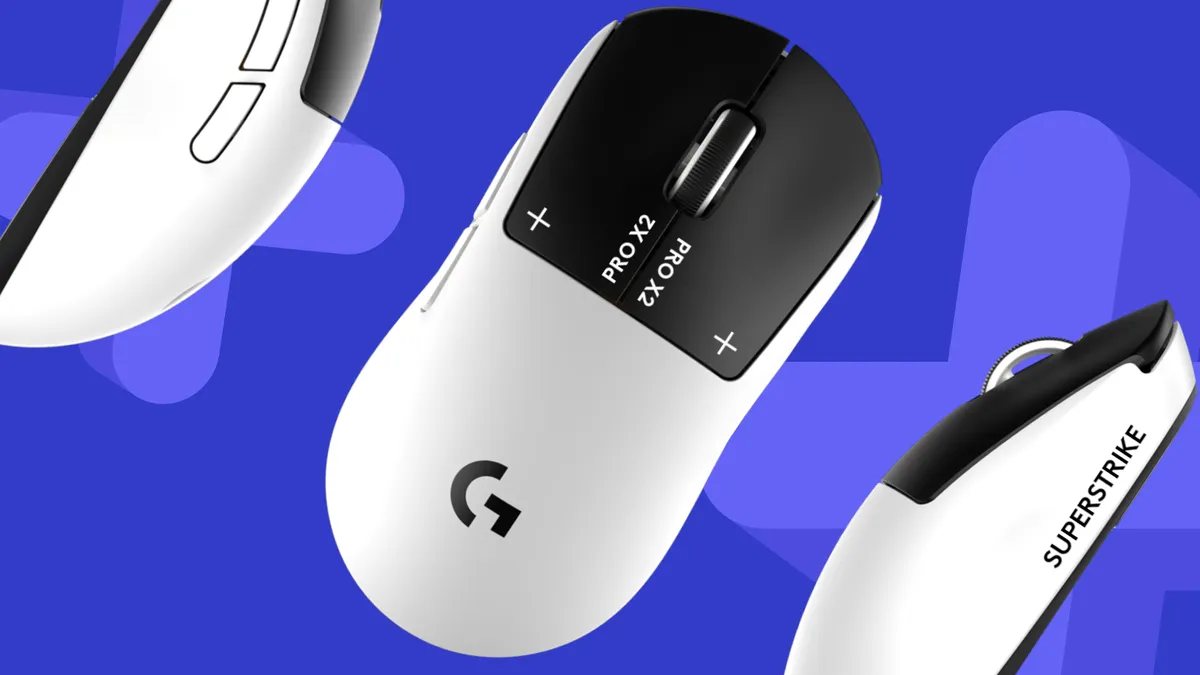
On paper, the rest of the mouse stays firmly within familiar territory. The Superstrike weighs 65 grams and uses Logitech’s Hero 2 sensor, rated for up to 44,000 DPI and 888 inches per second tracking. Battery life is quoted at up to 90 hours, which keeps it competitive with other premium wireless mice in this category. The mouse is currently available for preorder at $179.99, placing it above many established esports-focused options, including Logitech’s own Superlight 2 variants and competing models from Razer.
That price, combined with the design direction, makes the intended audience clear. The potential gains from adjustable actuation and pressure-based input are likely to matter most at the highest levels of play, where marginal improvements can influence outcomes. For casual players or those outside structured competition, the benefits may be difficult to notice, especially when weighed against cost and the loss of familiar switch feedback.
The G Pro X2 Superstrike reflects a broader trend in competitive hardware: a push toward customization and reduced latency, even if it means leaving behind long-standing design conventions. Whether this shift becomes a new standard or remains a niche experiment will depend on how players respond once the mouse is in real-world use. For now, it stands as a clear signal of where Logitech believes the esports mouse market is heading, prioritizing adaptability and speed over tradition.