

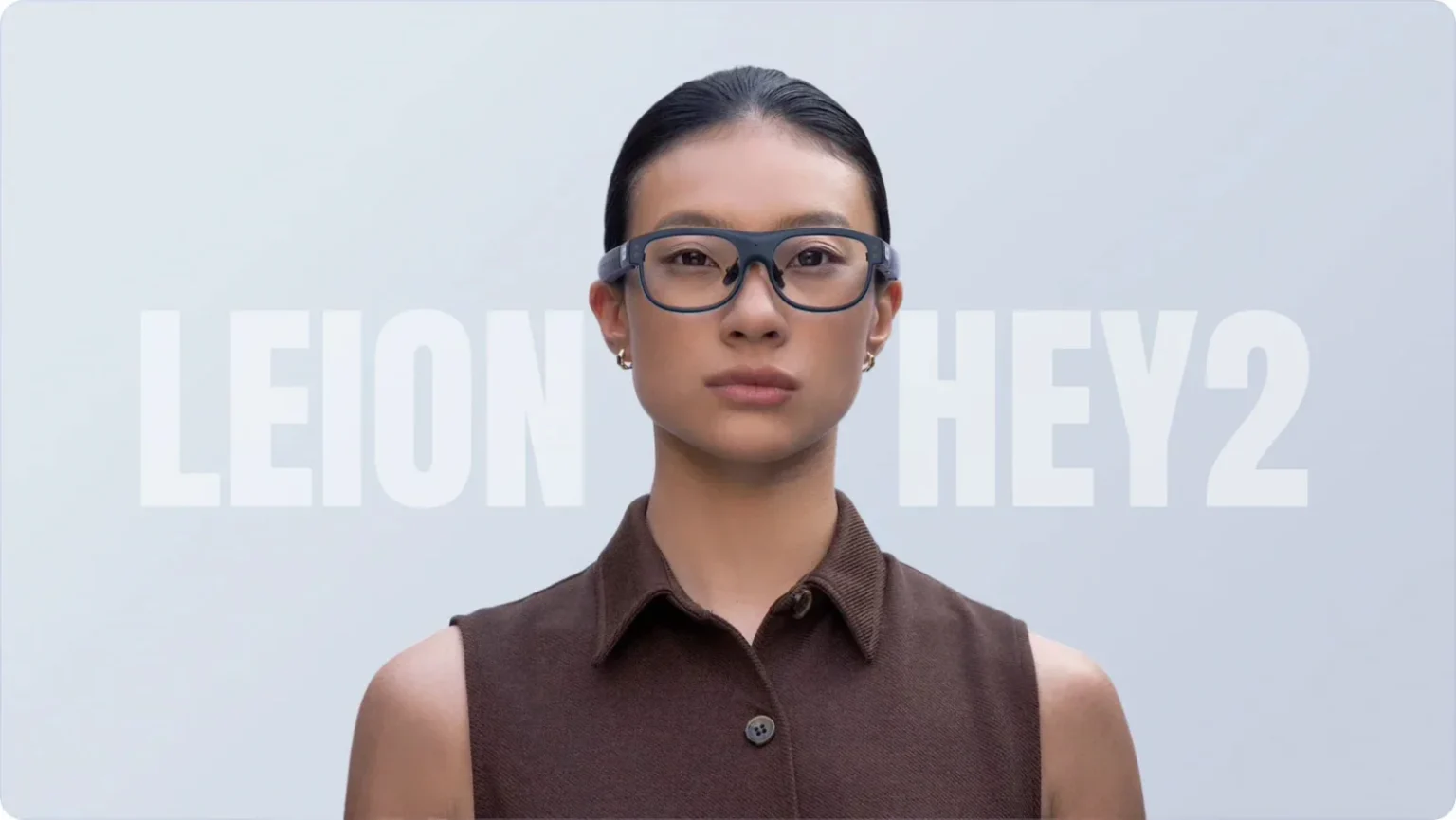
LLVision has formally introduced the Leion Hey2, a pair of augmented reality translation glasses designed with a narrow and practical focus: enabling spoken conversation between people who do not share a common language. The device was unveiled at CES 2026 and represents the company’s second-generation hardware following its earlier Leion Hey release.
Unlike many recent smart glasses that attempt to combine media capture, entertainment, and social features, the Hey2 is built around a single function. Spoken language is converted into translated subtitles that appear directly in the wearer’s field of view, allowing conversations to continue without shifting attention to a phone screen. LLVision says the system supports more than 100 languages and dialects, with real-world translation latency kept under 500 milliseconds, a threshold intended to preserve the rhythm of natural dialogue.
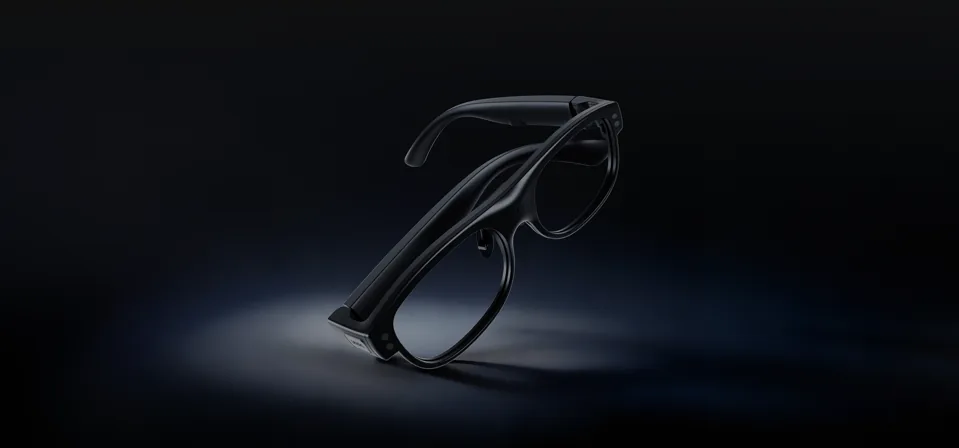
The optical system relies on waveguide lenses paired with a micro-LED display, delivering readable text across a range of lighting conditions. Subtitles can be adjusted in size and position, and remain visible without obstructing the wearer’s surroundings. In addition to translation, the glasses provide real-time captioning, positioning them as a communication aid for Deaf and hard-of-hearing users as well as multilingual speakers.
Audio handling is tuned for face-to-face interaction. In its Free Talk mode, the Hey2 emphasizes voices coming from a forward-facing 60-degree range while reducing background noise and side conversations. A four-microphone array combined with beamforming and neural noise reduction determines who the wearer is facing before processing speech. This approach favors conversational context over volume, which can be useful in meetings, conferences, or public spaces.
From a hardware perspective, the glasses weigh 49 grams and use a magnesium-lithium alloy frame with adjustable titanium nose pads. The design follows a conservative browline style rather than a visibly “tech-forward” look. Notably, the device includes no camera and no external speakers. Audio input is limited to translation, and processing is handled through Microsoft Azure under privacy practices described as GDPR-aligned. Users can access and delete stored translation history.

LLVision has previously tested its technology in public and institutional settings, including demonstrations at a United Nations accessibility exhibition in Geneva and trials within diplomatic forums. Earlier research partnerships contributed to accessibility initiatives recognized by the UNESCO Netexplo Innovation Award. According to the company, the first-generation Leion Hey shipped over 30,000 units globally, with users averaging roughly two and a half hours of daily use.
Leion Hey2 is available for order in the United States at a standard price of $549, with a limited pre-order price of $499 that includes additional translation minutes and a clip-on sunglass lens. Founded in 2014, LLVision has focused its development efforts on practical AI and AR tools for multilingual communication rather than broad consumer lifestyle features.