
Ramadan brings a noticeable shift in routine. Work obligations continue, social calendars often expand, and spiritual priorities take on greater focus. For many households, the challenge is not adding more to the day, but managing existing responsibilities with greater intention. Xiaomi’s AIoT Ramadan gift guide for 2026 positions connected devices as practical tools designed to reduce friction during a month defined by early mornings, late evenings, and steady commitments.
The emphasis across Xiaomi’s AIoT ecosystem is integration. Rather than promoting isolated gadgets, the company presents a connected environment where devices work within a shared framework. In theory, this allows users to automate repetitive tasks, streamline home management, and reduce unnecessary interruptions. During Ramadan, when energy levels fluctuate between Suhoor and Iftar, that kind of efficiency can make a measurable difference.
For users managing calls, podcasts, and audio content throughout the day, the Mijia Smart Audio Glasses offer an open-ear listening experience. Instead of sealing the user off from surrounding sounds, the design allows environmental awareness while delivering personal audio. With up to 10 hours of playback and a lightweight frame, the glasses are intended for those transitioning between professional responsibilities and evening gatherings. The concept is less about novelty and more about reducing reliance on handheld devices.

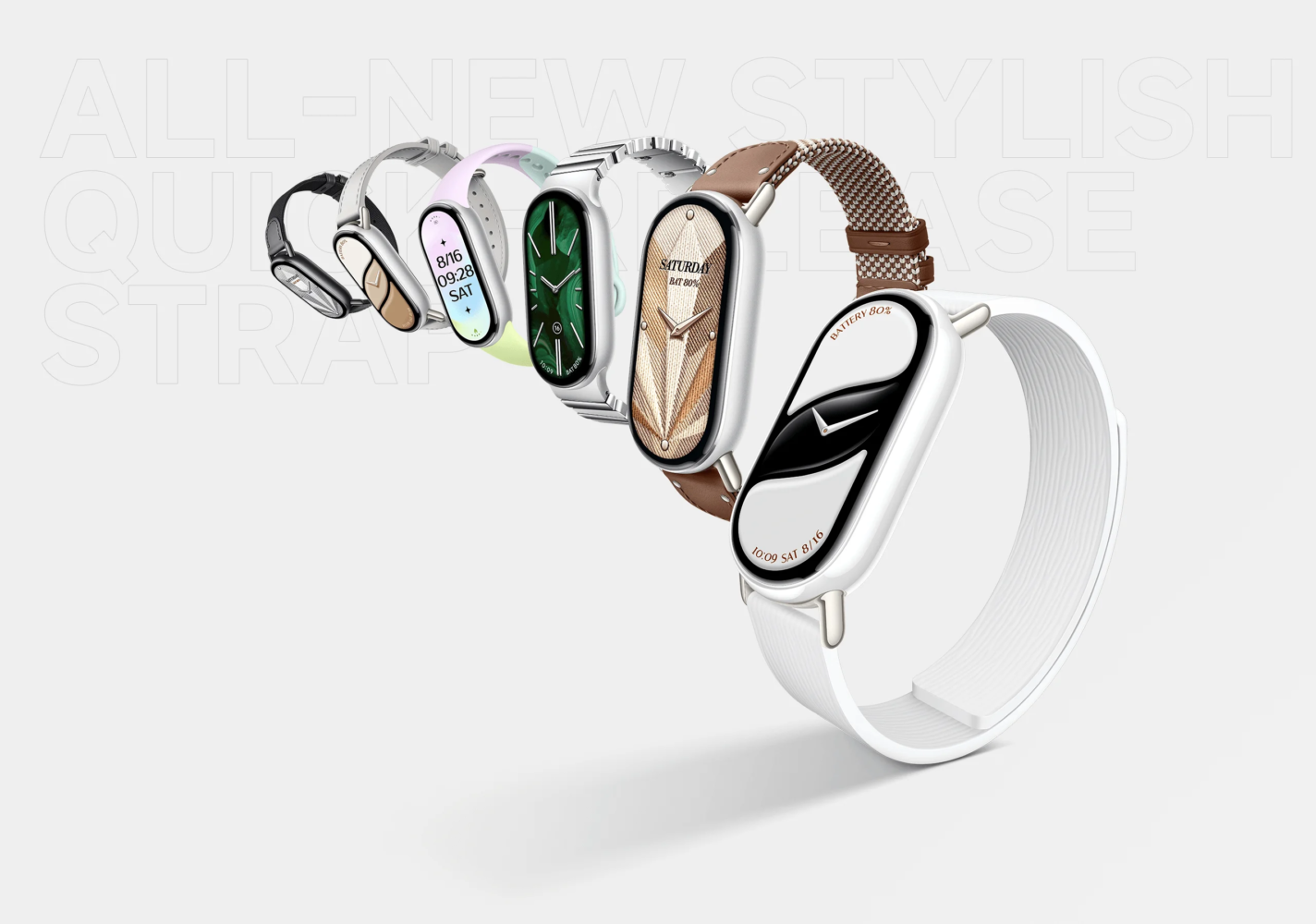
Health monitoring also becomes more relevant during fasting hours. The Xiaomi Smart Band 10 features a 1.72-inch AMOLED display with brightness levels designed for outdoor visibility. It supports continuous heart rate monitoring and blood oxygen tracking, along with sleep analysis tools that can help users understand changes in rest patterns during Ramadan. While fitness wearables are now common, their value during fasting lies in awareness rather than performance metrics. Monitoring hydration indicators, heart rate trends, and sleep quality can support more informed daily decisions.
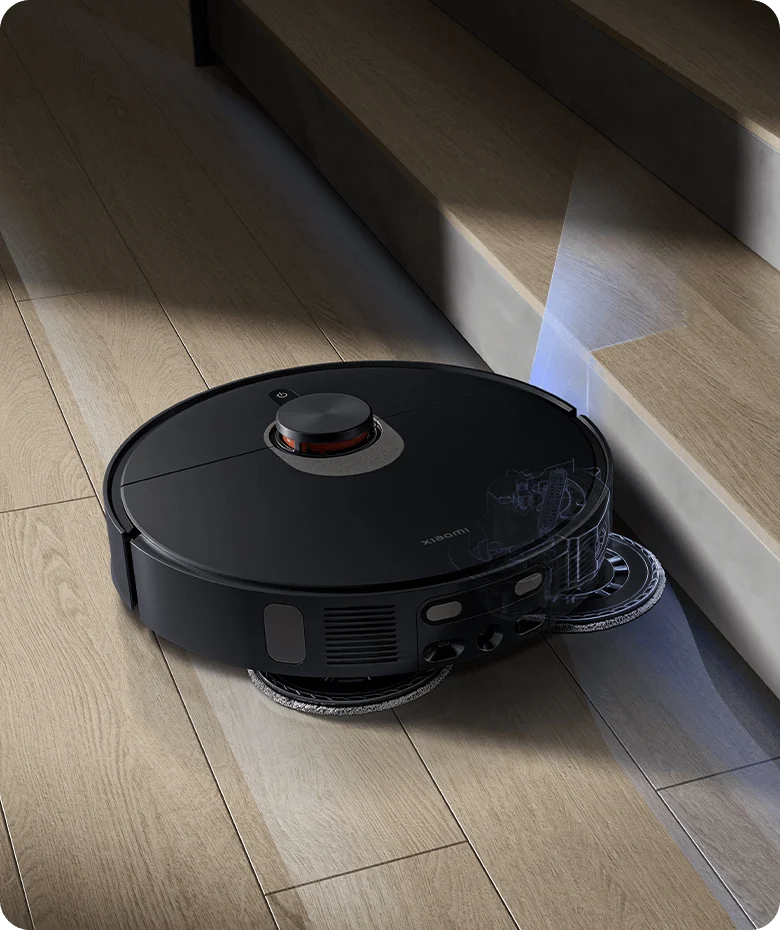
Home preparation is another area where time pressure often builds. The Xiaomi Robot Vacuum X20 Max delivers up to 8000Pa suction power and includes an extending mop arm for improved edge cleaning. Its self-maintenance station washes the mop with hot water and automatically dries it, reducing manual upkeep. For households hosting regular Iftar gatherings, automated floor cleaning can free up time otherwise spent on routine chores. The appeal here is practical: consistent maintenance without additional effort.
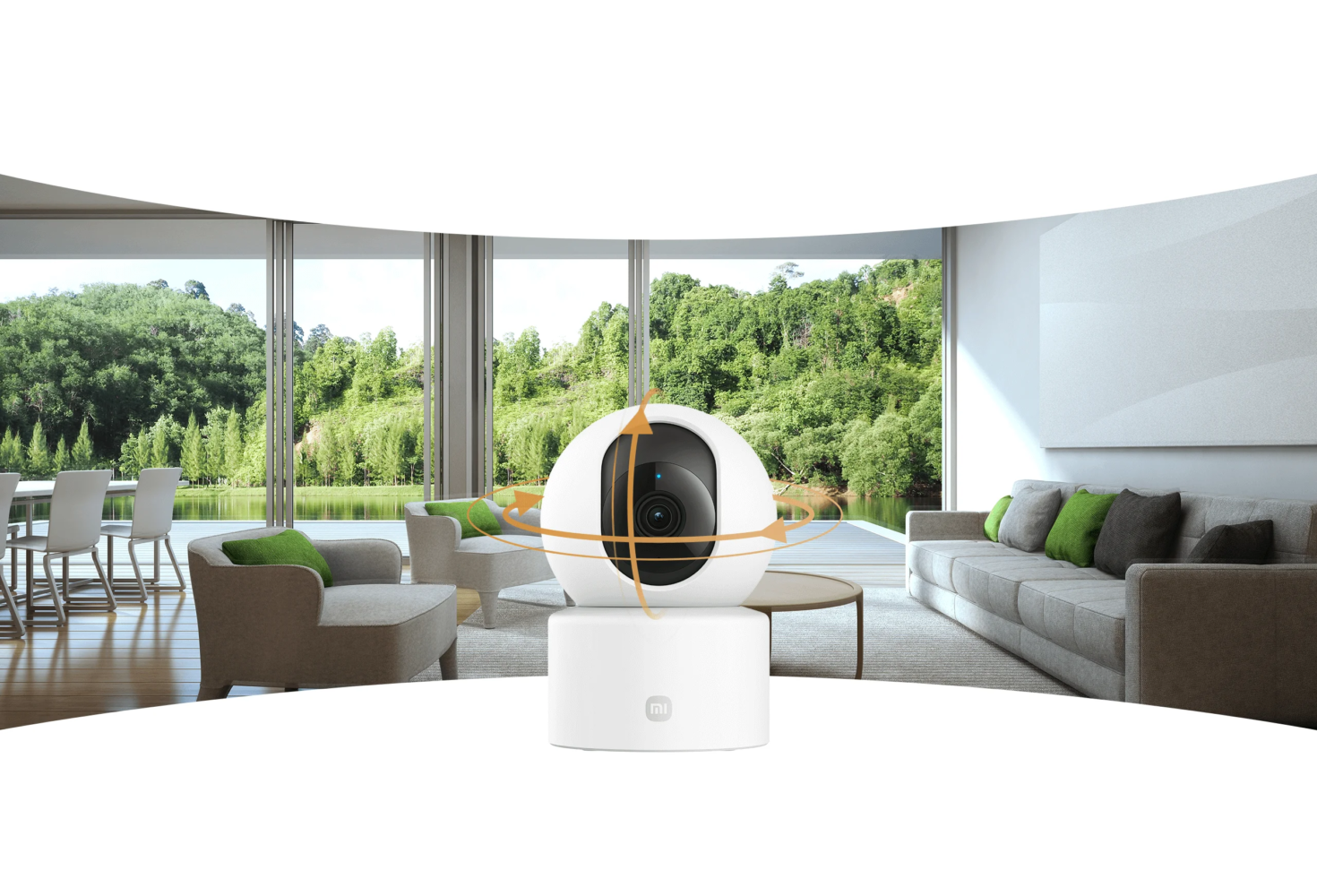
Security is also part of the broader smart home equation. The Xiaomi Smart Camera C301 records in 2K resolution and includes AI-based human detection to filter alerts. During a month when families may spend extended hours away from home visiting relatives or attending community events, a straightforward indoor security camera offers reassurance without complex setup.
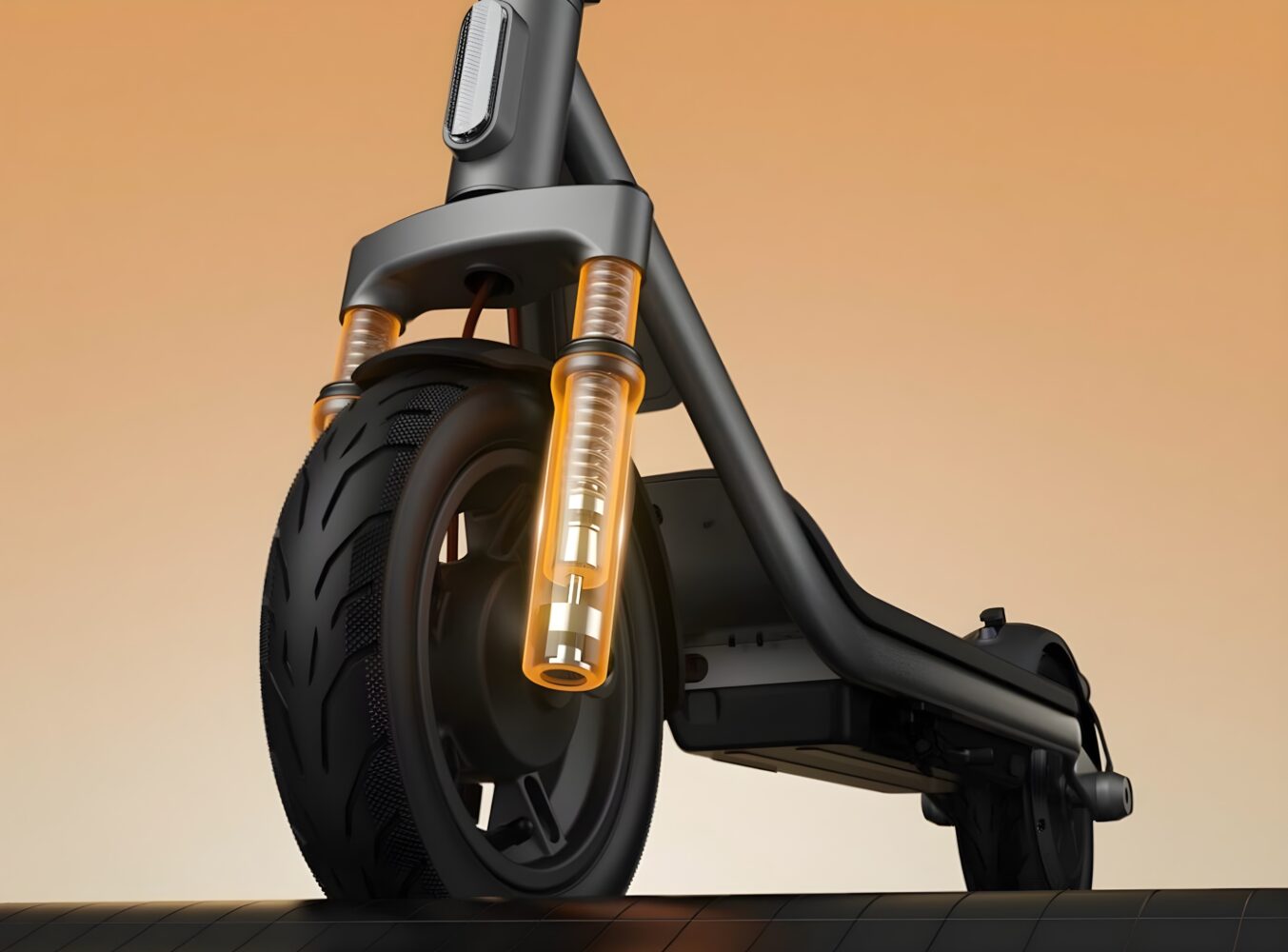
Mobility plays its role as well. The Electric Scooter 6 Lite, built with a reinforced frame and 10-inch pneumatic tires, provides a 25km range and dual braking system. In cities where traffic intensifies before sunset, short-distance electric commuting can offer an alternative to congestion. While not suitable for every environment, electric scooters continue to gain traction as supplemental urban transport solutions.

Inside the home, shared viewing remains a consistent evening activity. The Xiaomi 2026 TV A Pro 75 features a 4K QLED display and Filmmaker Mode to preserve intended picture settings. Large-format televisions have become standard in many households, but during Ramadan, they often serve as a central gathering point for post-Iftar viewing. In this context, the focus shifts from individual consumption to shared experience.

Overall, Xiaomi’s AIoT Ramadan gift guide reflects a broader trend in consumer technology: shifting from spectacle to utility. Smart home devices, wearables, and connected entertainment systems are no longer positioned solely as upgrades, but as infrastructure for daily life. For those evaluating smart home devices for Ramadan 2026, the key consideration remains whether these tools meaningfully reduce effort and support better time management. In a month centered on intention and balance, technology that quietly supports routine may carry more value than technology that demands attention.