

Lenovo used MWC 2026 to outline how it sees personal computing evolving as artificial intelligence becomes more deeply embedded across devices. The company introduced a series of AI-focused PCs, experimental hardware concepts, and a new software layer called Lenovo Qira. Together, the announcements reflect a broader effort to integrate AI features across laptops, tablets, smartphones, and other connected devices rather than treating AI as a standalone feature.
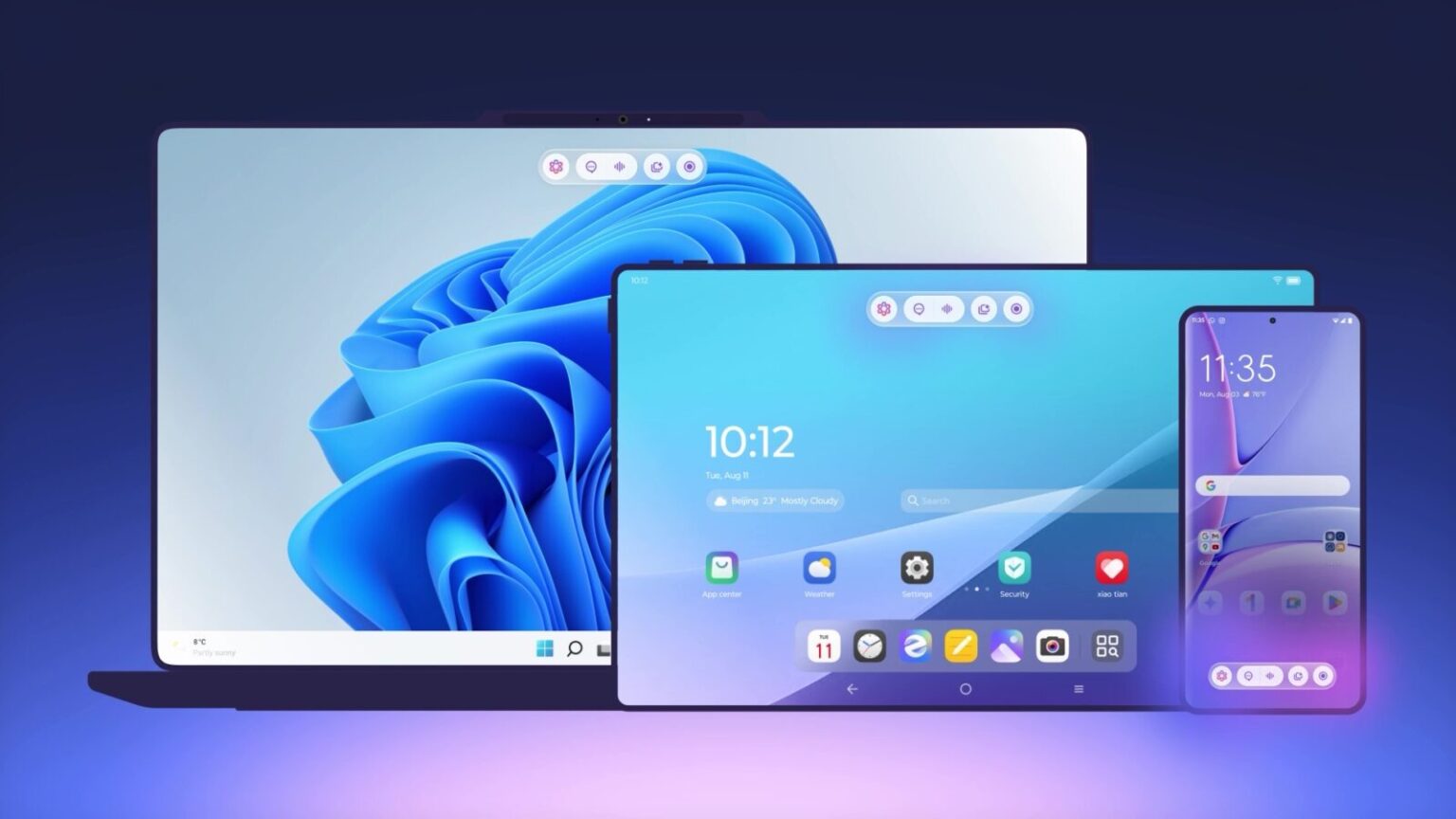
A central part of the announcement is Lenovo Qira, described as a system-level “personal ambient intelligence.” Instead of functioning as a traditional app, the system is designed to operate across supported Lenovo and Motorola devices and assist with tasks based on user behavior and context. The aim is to allow activities to move more smoothly between devices, with AI helping maintain continuity across work sessions.
Lenovo says Qira will begin rolling out to more than 20 devices in its PC lineup through over-the-air updates and preinstalled software. Initial support includes devices across the Yoga, IdeaPad, Legion, and ThinkPad families, as well as the newly introduced Idea Tab Pro Gen 2 tablet. At launch, the system will support six languages across nine regions, including English, Spanish, French, Italian, German, and Portuguese. The company expects to expand language coverage and extend the system to Motorola smartphones later in 2026.
Alongside software initiatives, Lenovo presented several experimental hardware concepts exploring new form factors. One of the more notable prototypes is the ThinkBook Modular AI PC concept. The device uses a modular architecture built around a thin 14-inch base system that can attach additional display modules, interchangeable input components, and modular I/O elements. Lenovo describes the concept as a way to explore how portable systems could adapt to different workflows while potentially extending hardware lifecycles.
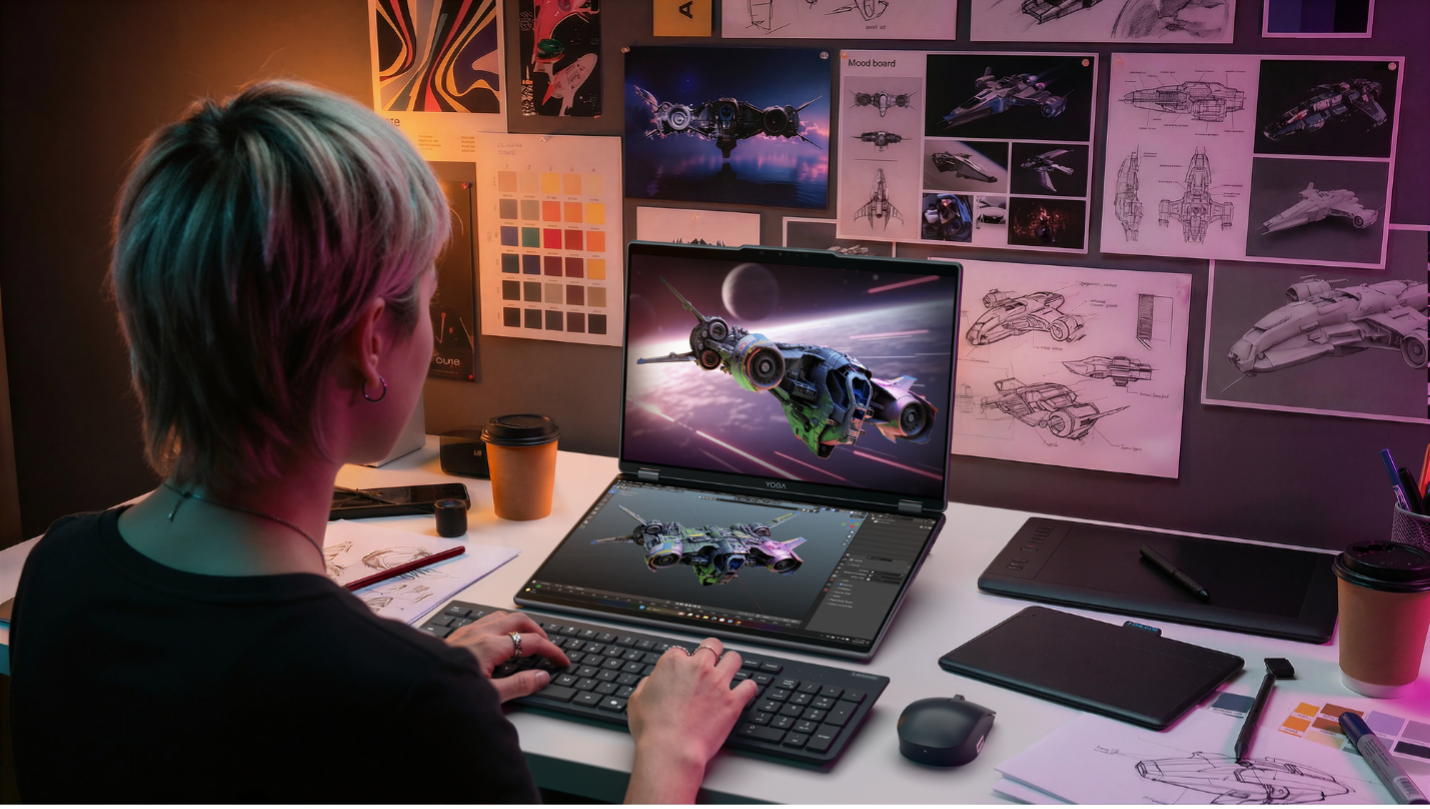
Another prototype, the Yoga Book Pro 3D concept, explores glasses-free 3D viewing on a laptop. The system combines dual displays, AI-assisted 2D-to-3D conversion, and gesture-based interaction intended for creative work involving spatial content. While still a concept device, it reflects ongoing industry interest in spatial computing and immersive displays.
The company also demonstrated a foldable gaming handheld concept called Legion Go Fold. The device can expand from a compact handheld format into a larger display, allowing for several usage modes such as traditional handheld play, split-screen multitasking, or a desktop-style setup. Foldable displays have appeared in smartphones and tablets in recent years, and the concept suggests similar experimentation may extend into gaming hardware.
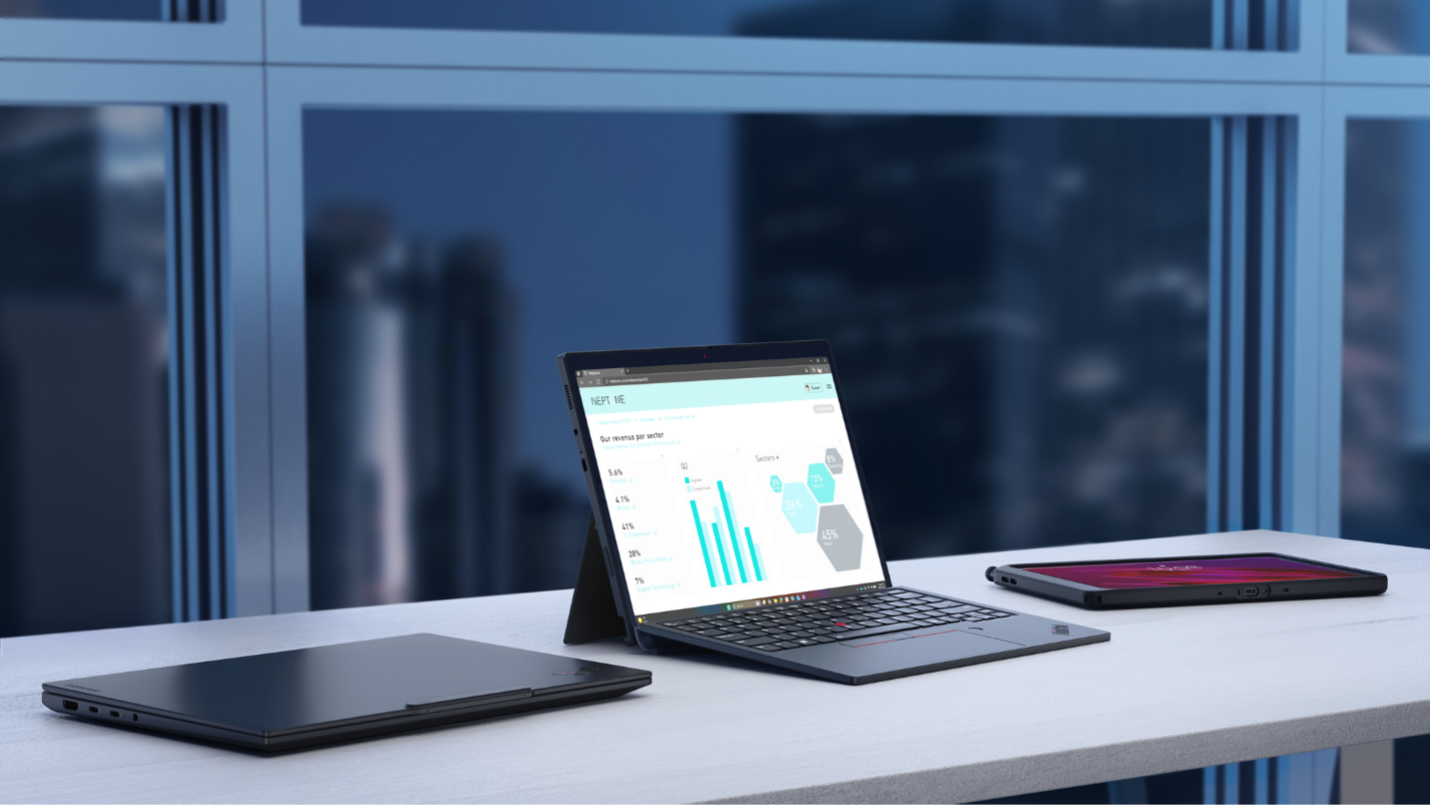
Beyond concept hardware, Lenovo updated several commercial devices aimed at enterprise and professional users. The latest ThinkPad T-Series models emphasize repairability, serviceability, and hardware support for AI-assisted workflows. Some models have received higher repairability ratings from iFixit, reflecting a growing focus across the industry on device longevity and easier maintenance.
The ThinkPad X13 Detachable expands Lenovo’s detachable laptop category with integrated stylus support and field-replaceable components in a lightweight design intended for mobile and frontline workers. Lenovo also introduced the ThinkTab X11, a rugged Android tablet aimed at industrial environments where durability and mobility are priorities.
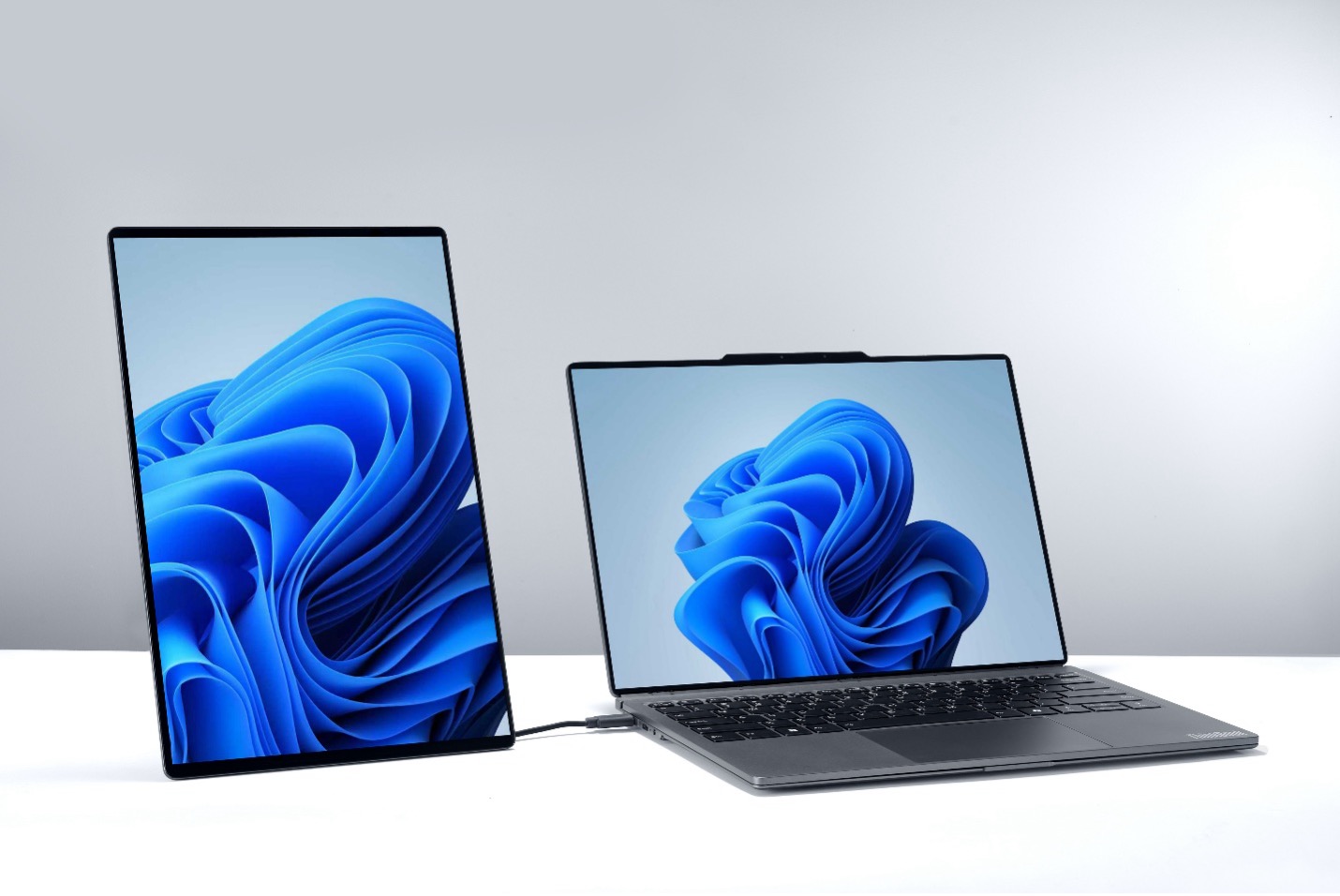
For smaller organizations and hybrid work environments, Lenovo introduced the ThinkBook 14 2-in-1 Gen 6 convertible laptop and the ThinkVision M16 portable monitor, designed to support flexible work setups that require additional screen space.
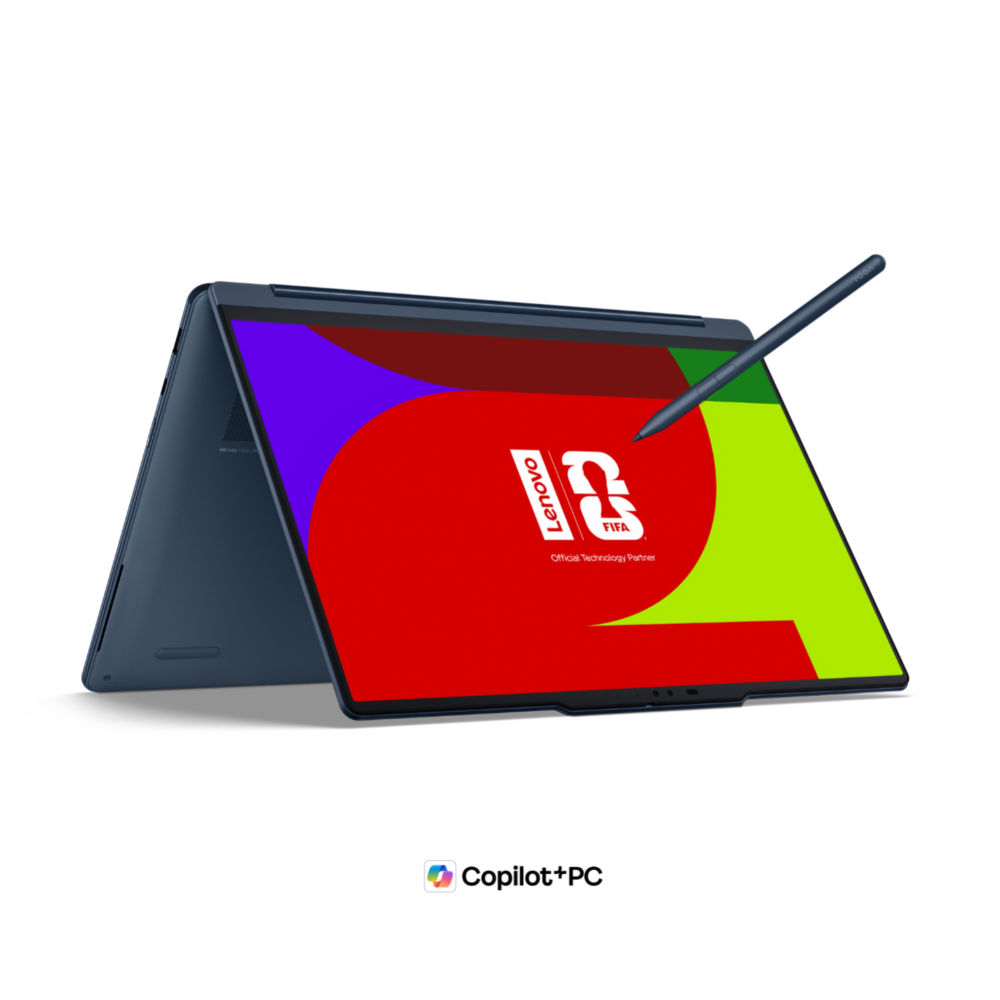
On the consumer side, Lenovo announced several AI-enabled laptops and tablets aimed at creators, students, and general users. The Yoga 9i 2-in-1 Aura Edition continues the company’s convertible laptop line with OLED displays and software features intended to assist creative workflows. The Yoga Pro 7a and IdeaPad Slim 5i Ultra expand Lenovo’s mid-range laptop offerings with a focus on balancing performance and portability.
Tablet updates include the Idea Tab Pro Gen 2, which becomes the first Lenovo tablet to ship with Lenovo Qira. In gaming hardware, Lenovo introduced the Legion 7a gaming laptop and the Legion Tab, an 8.8-inch gaming tablet equipped with a high-resolution display and a cooling system designed to support sustained gaming performance.
Taken together, Lenovo’s MWC 2026 announcements highlight a shift toward AI-assisted computing environments where hardware and software interact more closely across multiple devices. The company’s approach combines near-term product updates with longer-term experiments in modular computing, spatial displays, and foldable gaming hardware. While many of the concepts remain exploratory, they offer insight into how PC manufacturers are testing new form factors as AI capabilities expand across personal devices.