

At CES 2026, Lenovo used its consumer showcase to outline how it sees AI fitting into everyday computing, not as a headline feature but as background infrastructure shaping how devices behave, connect, and respond. The company’s latest Yoga and IdeaPad announcements lean heavily on this idea, with AI framed as a layer that adapts performance, manages power, and smooths transitions between devices rather than replacing traditional workflows outright.
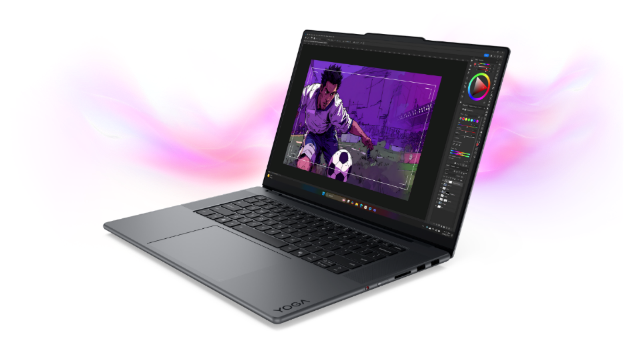
Across its Windows 11 laptops and desktops, Lenovo is expanding what it calls Aura Edition experiences, a bundle of software features that adjust system behavior based on usage patterns such as working, creating, or entertainment. These modes aim to automate performance tuning, privacy settings, and power management with minimal user input. Whether this feels genuinely helpful or simply obscures manual controls will depend on how transparent and reliable those adjustments prove in daily use.
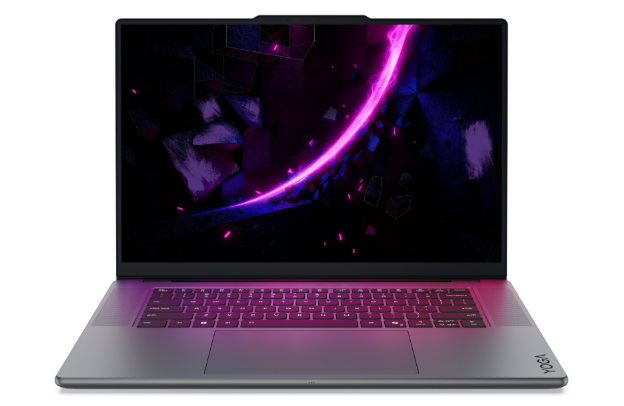
The flagship Yoga Pro 9i Aura Edition is positioned as a high-performance option for creators who want a single machine that can handle demanding workloads. With configurations built around Intel Core Ultra processors and NVIDIA RTX 50-series laptop graphics, the hardware focus is clearly on raw capability. Additions like the Force Pad, which doubles as a drawing surface when used with a stylus, suggest Lenovo is experimenting with alternative input methods, though it remains to be seen how often users will prefer this over a traditional tablet or external device.
Lenovo is also leaning into ecosystem thinking. The Yoga Pro 27UD-10 monitor, new Yoga-branded headphones, and a refreshed set of accessories are designed to work together with minimal setup, sharing color profiles, audio output, and connectivity through a single cable where possible. This approach mirrors broader industry trends, where convenience and reduced friction matter as much as headline specifications.
Mobility is another clear theme. Devices like the Yoga Slim 7i Ultra Aura Edition and Snapdragon-powered Yoga Slim models prioritize low weight and long battery life while still supporting on-device AI features. In practice, this reflects growing demand for laptops that remain responsive away from a power outlet, even if that means accepting platform trade-offs between x86 and ARM-based designs.

On the more accessible end, updated IdeaPad systems bring similar AI-assisted features to mid-range laptops and convertibles aimed at students and everyday creators. These machines focus less on experimental input or premium materials and more on flexibility, battery life, and incremental performance gains.
Perhaps the most forward-looking preview is Lenovo Qira, a personal AI agent intended to maintain context across PCs, tablets, and phones. Rather than positioning it as a replacement for existing assistants, Lenovo frames Qira as connective tissue that helps users resume tasks and move between services. That ambition raises familiar questions about privacy, data control, and long-term usefulness, areas where execution will matter far more than vision statements.
Overall, Lenovo’s CES 2026 lineup reflects a measured shift toward AI as a default expectation rather than a novelty. The hardware updates are substantial but evolutionary, while the software story focuses on making complex systems feel simpler. Whether users notice the difference will depend less on benchmarks and more on how quietly these features integrate into everyday work.