
The modern workday has mastered many things: endless calendar invites, meetings that could have been emails, and the uncanny ability to appear busy while accomplishing very little. What it has not mastered is the simple, uninterrupted break. The kind where no one “just quickly checks something” with you, no message pops up, and nobody makes aggressive eye contact while asking if you have a minute. In today’s office culture, taking a break without justification feels almost rebellious.
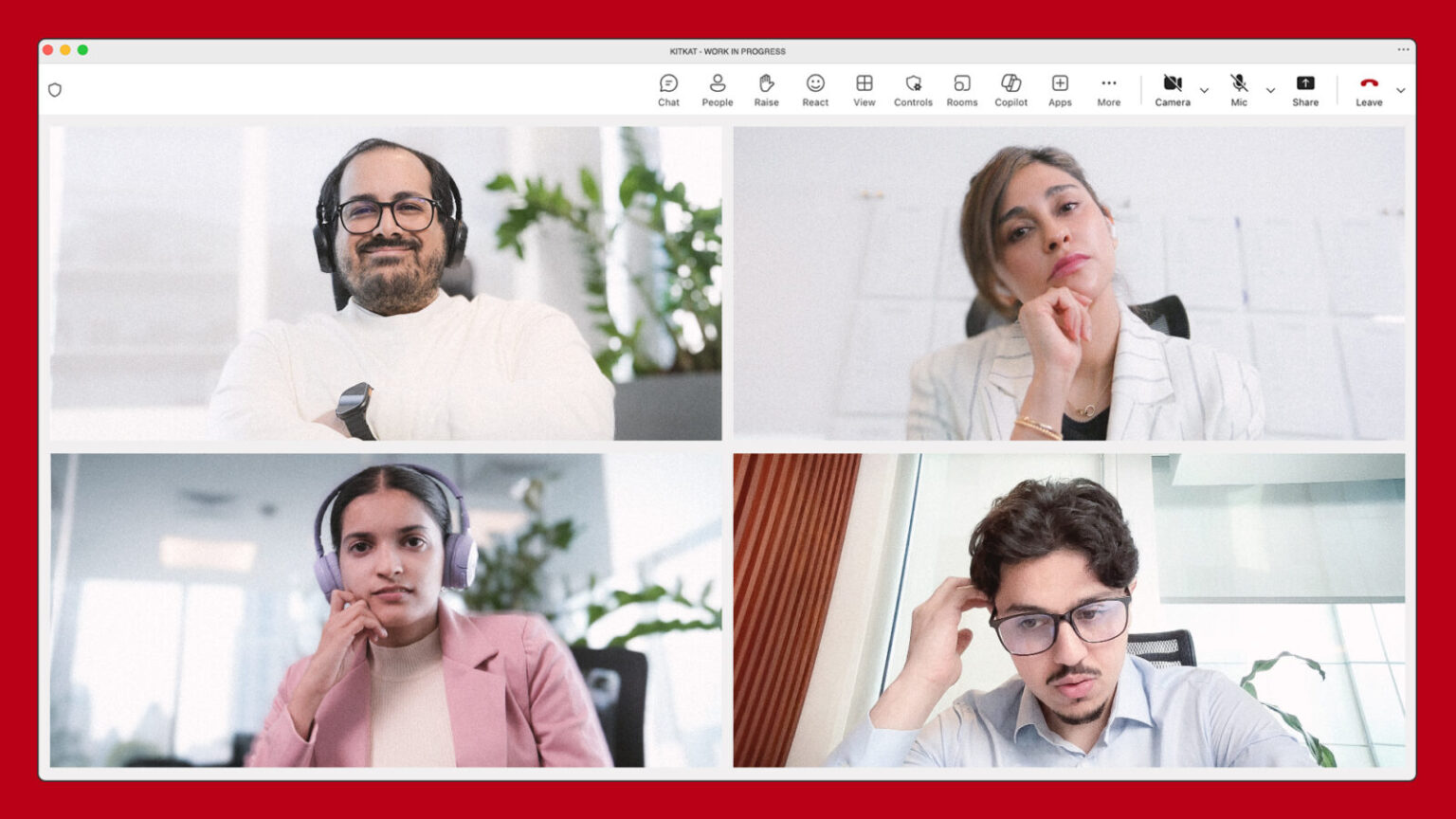
Enter KitKat with a solution that understands corporate reality a little too well: a permanent Microsoft Teams meeting where the only real agenda item is not being disturbed. It runs 24/7. It looks official. And most importantly, it gives employees a socially acceptable excuse to disappear for a few minutes without being questioned by colleagues who think silence means availability.
A real Teams call to look fake busy
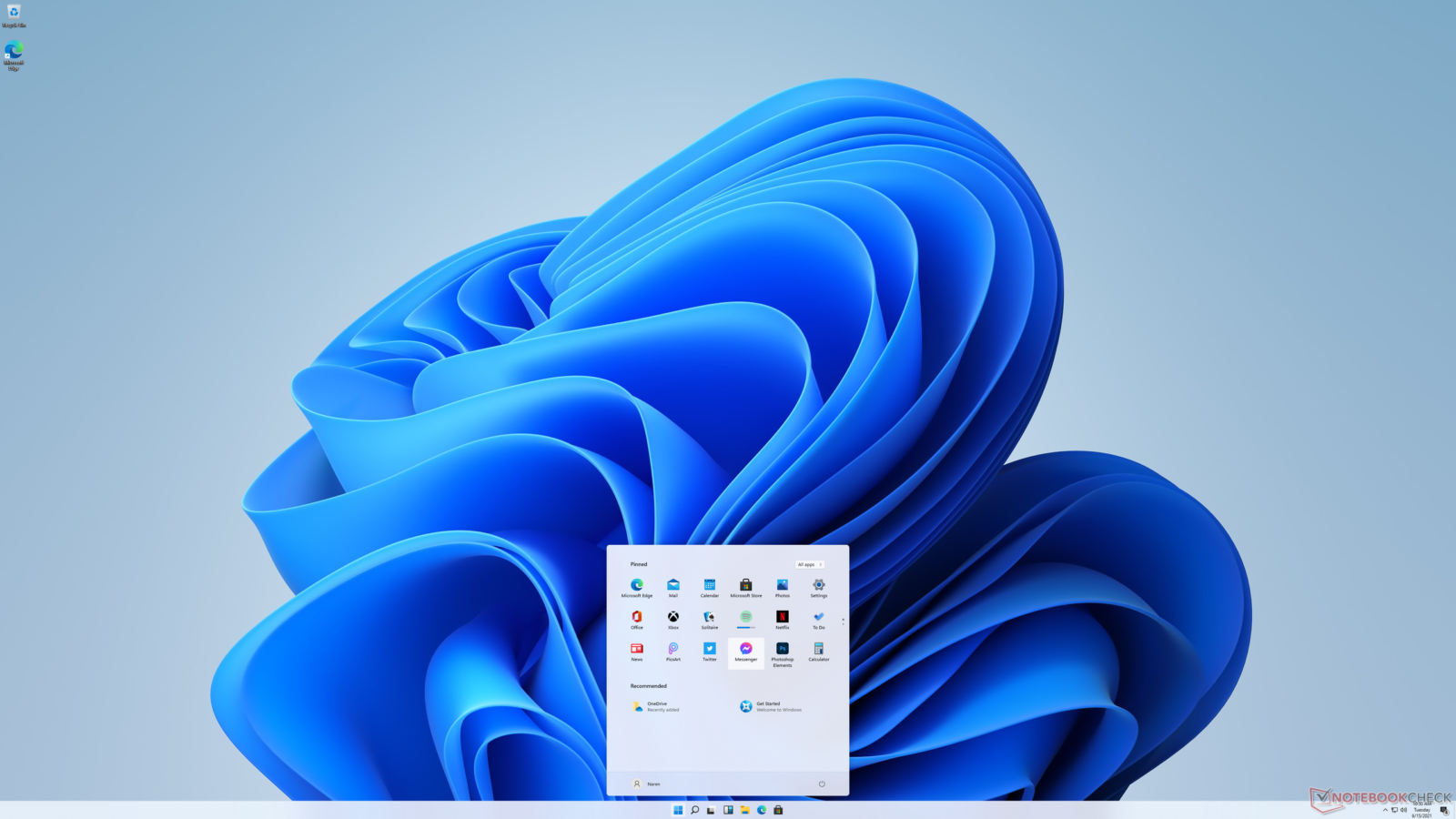
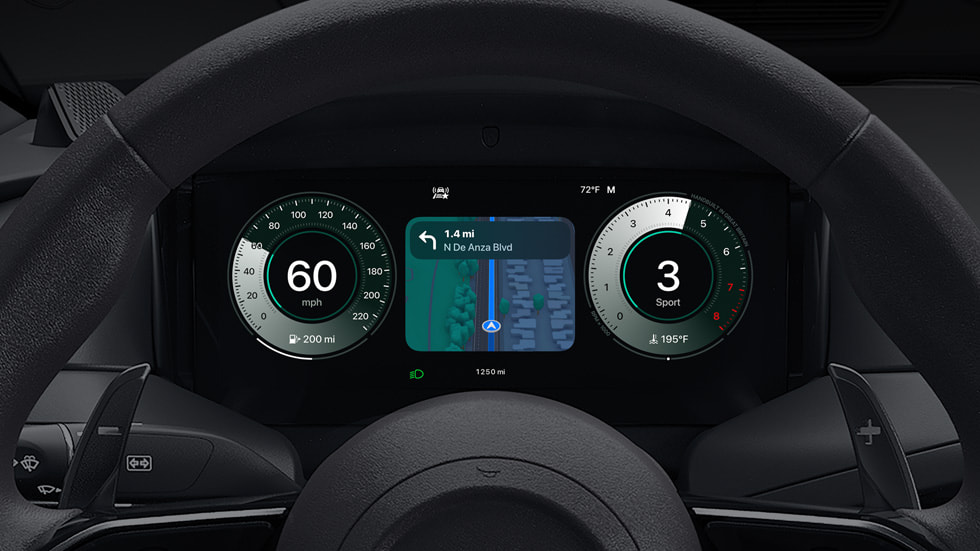
The idea is disarmingly simple. You join the call, your calendar blocks out time, and suddenly you are untouchable. From the outside, everything appears legitimate. Slides move. Charts animate. Something important-looking is always happening on screen. You are clearly “on a call,” which in office language translates to “do not speak to me unless something is on fire.” Inside the call, however, nothing is actually required of you beyond enjoying a brief pause from the daily noise.
This is less a clever tech trick and more an honest reflection of how work culture operates. Being busy is respected. Being unavailable is suspicious. But being in a meeting? That’s sacred ground. Headphones on, eyes forward, vague nodding if someone passes by. No one asks questions. No one follows up. The meeting is the modern invisibility cloak.
Deniz Yamanel, BEO at Nestlé Confectionery MENA, framed the idea as a way to protect short breaks that help people return slightly less exhausted than before. The logic is hard to argue with. If rest must be scheduled to survive, then scheduling it as a meeting is simply efficient.
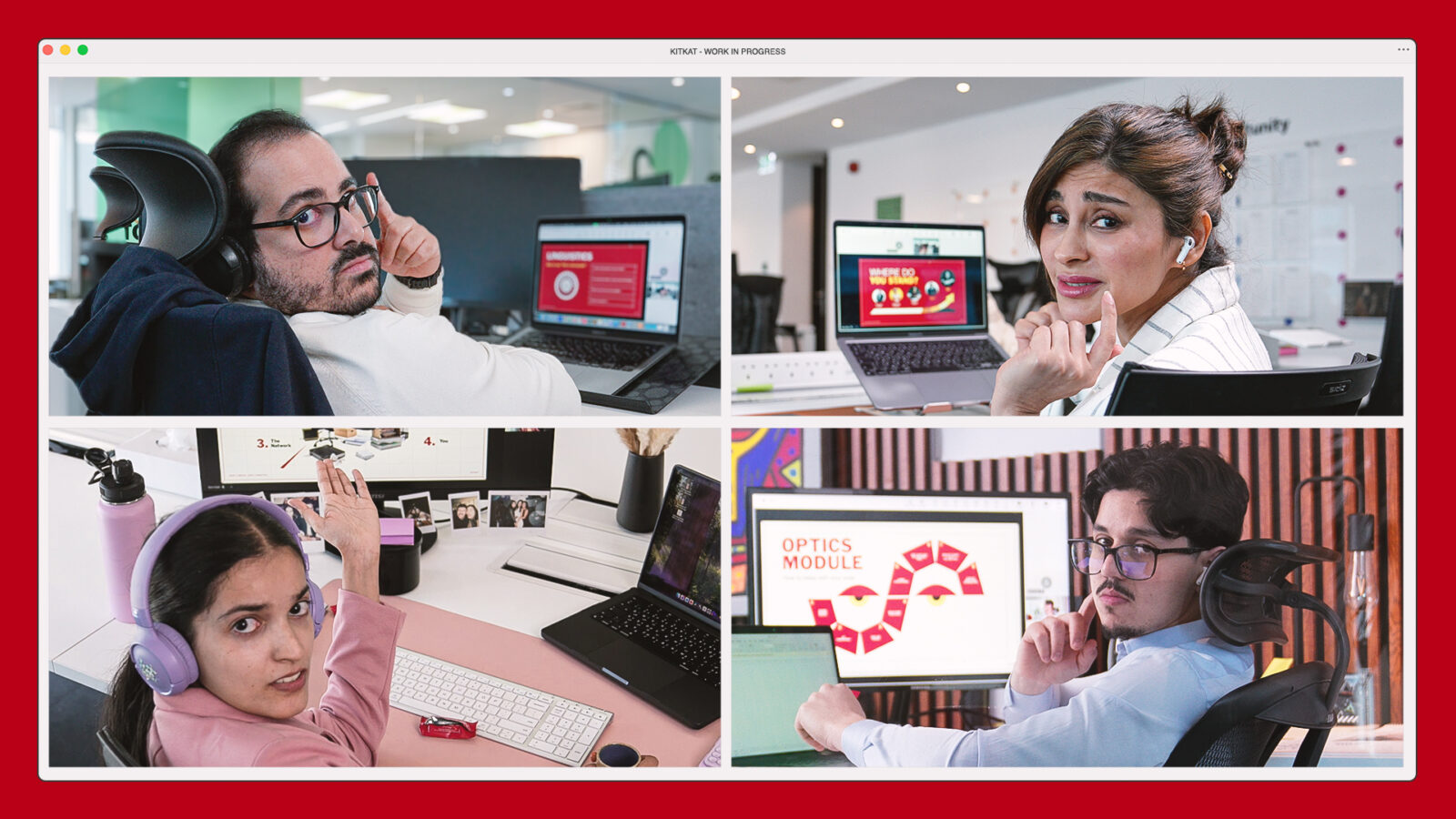
From the creative side, Bana Salah, Creative Director at Publicis Middle East, summed up the insight bluntly. Breaks, in theory, exist. In practice, they are constantly interrupted. But the moment someone mouths “I’m on a call” while pointing at their headphones, the room collectively agrees to leave them alone. Turning the break into the call itself feels less like a joke and more like an accurate diagnosis.
The campaign does not pretend this fixes burnout, hustle culture, or the fact that many people feel guilty stepping away from their desks. Instead, it offers a small workaround for a system that rewards visible busyness over actual well-being. It quietly asks why rest needs camouflage at all, while fully accepting that, for now, it does.
So yes, the solution to stopping work is, somehow, another meeting. One with no talking, no decisions, and no follow-up email. In a world where productivity is often performance, the most effective break is the one that looks like work.