

Japan’s leading anime studios, including Studio Ghibli and Aniplex, have joined forces in an escalating dispute with OpenAI over alleged copyright infringement tied to the company’s Sora 2 video-generation model. The studios are acting through the Content Overseas Distribution Association (CODA), a consortium representing anime, manga, and game publishers in Japan, which recently filed a formal request demanding that OpenAI cease using copyrighted material owned by its members for AI training without permission.
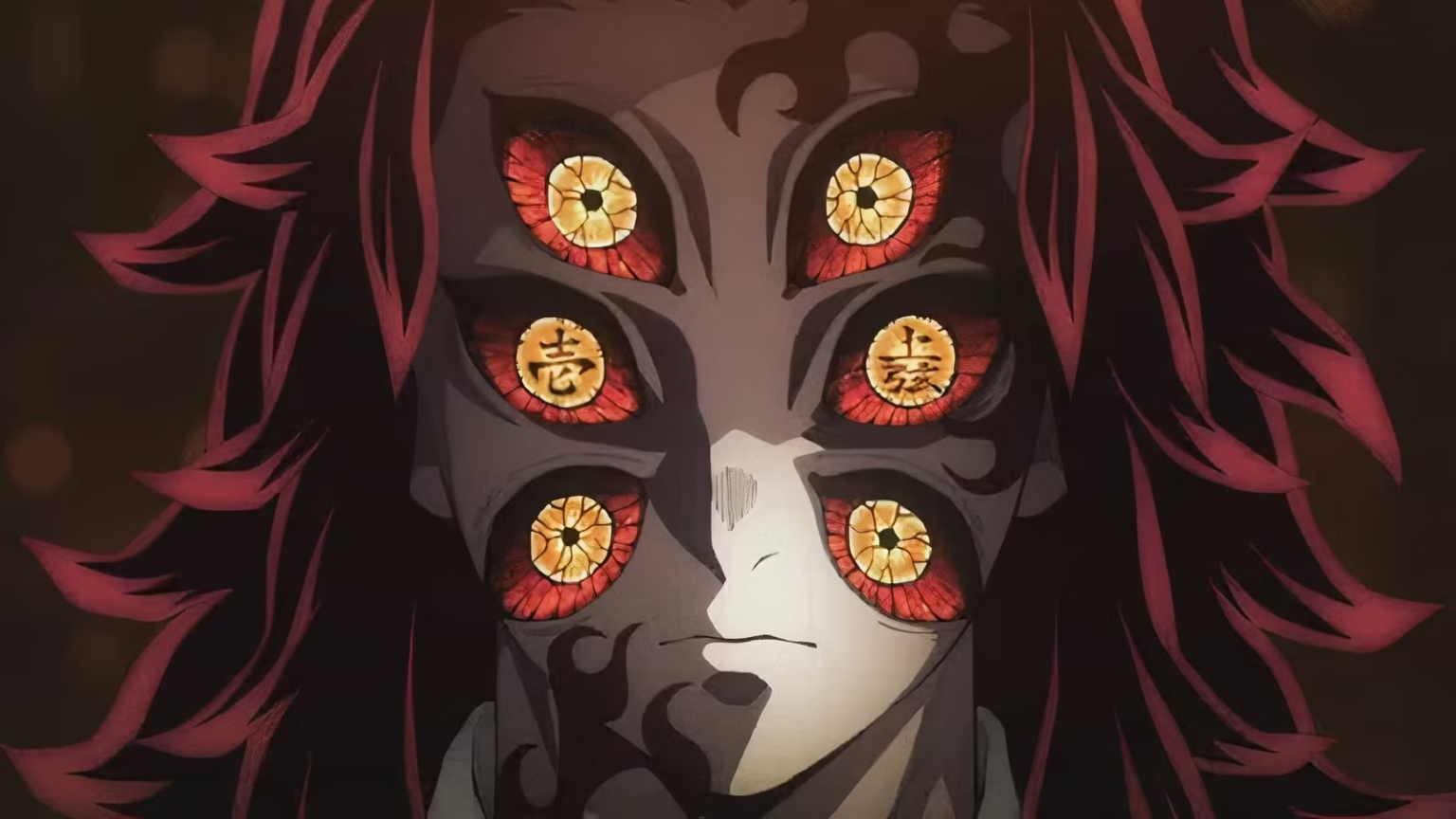
The move follows a wave of viral AI-generated videos depicting characters from major franchises such as Demon Slayerand Dragon Ball, reportedly created with the Sora 2 model. CODA’s concern centers on how such tools are trained—often using vast online datasets that may include copyrighted material. Under Japan’s copyright law, the use of such works for training requires prior authorization, with no provision for retroactive approval or “fair use” defenses similar to those in U.S. law.
CODA’s request outlines two specific actions for OpenAI: first, that it refrain from using its members’ creative works for machine learning without consent, and second, that it respond transparently to any copyright-related claims or inquiries from Japanese rights holders.
The issue comes on the heels of earlier discussions between Japan’s government and OpenAI. In October, Minoru Kiuchi, Japan’s Minister of State for Intellectual Property and AI Strategy, formally asked the company to respect what he called Japan’s “irreplaceable cultural treasures.” These statements reflect growing national concern over how generative AI systems might reproduce or reinterpret elements of iconic Japanese art and entertainment without authorization.
Tension heightened after OpenAI CEO Sam Altman published comments about the company’s “deep connection” with Japanese culture and content, remarks that some in Japan interpreted as a tacit acknowledgment of the creative influence—or potential data use—of Japanese media on OpenAI’s products.
While OpenAI has not issued a formal public response to CODA’s latest request, industry observers expect legal and diplomatic pressure to increase if the company declines to cooperate. Japan’s entertainment sector has historically been protective of its intellectual property, and this unified response from major studios could signal a new phase of global copyright enforcement against AI developers.
For now, CODA’s letter remains a request rather than a lawsuit, but its language and timing suggest that litigation is a likely next step if OpenAI continues to train its models without explicit licensing agreements. The case may set an early precedent for how international copyright laws adapt to generative AI—and how cultural industries, particularly Japan’s, assert control over their creative output in an era of automated media production.