
A new attempt to revive Vine’s short-form video culture is arriving in the form of diVine, an app funded by Jack Dorsey through his nonprofit “and Other Stuff.” Launching with access to more than 100,000 restored Vine clips, diVine blends archival recovery with a new platform for users to create six-second videos without relying on generative AI. The project emerges as social feeds increasingly fill with synthetic media, and diVine positions itself as a counterweight built around verified human-created content.
The restoration effort began when Evan Henshaw-Plath, an early Twitter employee and a member of Dorsey’s nonprofit, revisited the Vine archive that had been saved by the volunteer-based Archive Team in 2016. While the group managed to preserve much of Vine’s output, the material was stored inside massive binary files that made the content effectively inaccessible to everyday viewers. Henshaw-Plath, known as Rabble, spent months writing extraction tools to recover as many videos as possible, reconstructing metadata, creator information, and even portions of the original comments. Although the archive is incomplete—millions of Vine clips, including a substantial number of K-pop videos, were never backed up—the team recovered an estimated 150,000 to 200,000 videos from roughly 60,000 creators.
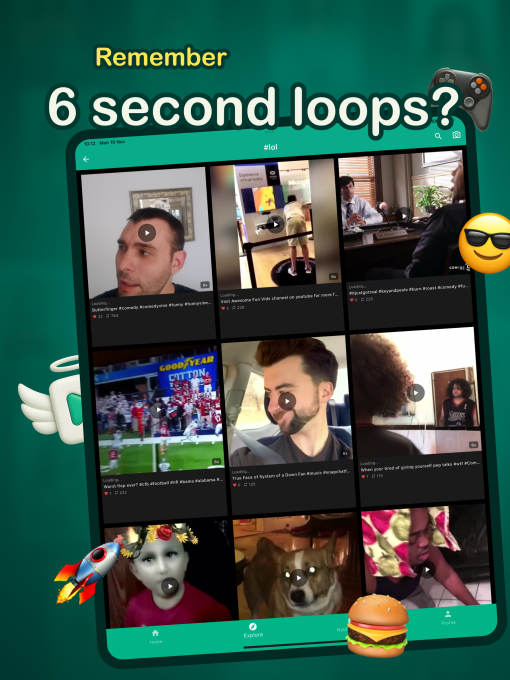
Because creators still hold rights to their original content, diVine allows them to request removals or reclaim their accounts by confirming ownership of the social accounts tied to their Vine bios. Once verified, they can post new clips or reupload videos that didn’t make it through the restoration. The app’s approach to new user uploads distinguishes it from contemporary social platforms: instead of relying on self-reporting or loosely enforced labels, diVine uses technology from the Guardian Project to help verify that videos come from real smartphone recordings. Suspected AI-generated clips are flagged and blocked from being posted, reinforcing the service’s emphasis on authentic human expression.
DiVine is built atop Nostr, the decentralized protocol endorsed by Dorsey for its resilience and openness. Its open-source architecture means developers can host their own infrastructure, customize clients, or build entirely new apps with diVine’s content ecosystem as a foundation. For Dorsey, the project represents a move toward platforms that don’t depend on large engineering teams or investor-driven growth models. His position contrasts with Elon Musk’s stalled attempts to revive Vine within Twitter/X, despite Musk’s earlier claims of locating the original archive.
The renewed interest in Vine’s format also reflects broader user fatigue with algorithm-heavy feeds and AI-shaped entertainment. Rabble argues that while people interact with AI tools, they also seek digital spaces that feel personal, creative, and socially grounded—qualities that defined the early Web 2.0 era. DiVine leans directly into that sentiment by reviving a format remembered for its constraints, spontaneity, and communities built around brief comedic or experimental clips.
Available now on iOS and Android through diVine.video, the app offers both a nostalgic library and a streamlined space for new human-made short videos at a time when authenticity on social media is increasingly hard to measure.