
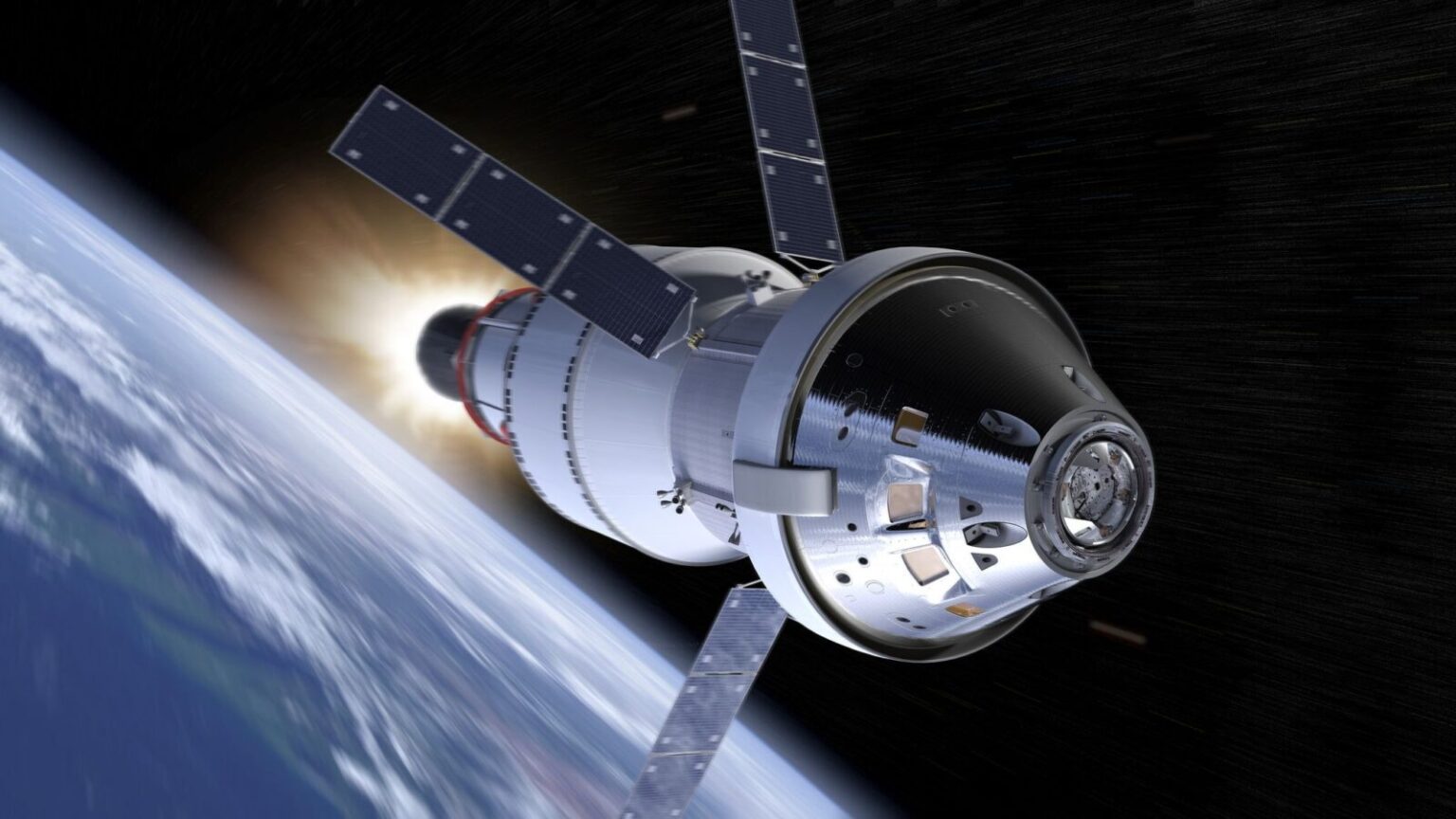
NASA’s Artemis II mission marks a small but notable shift in how personal technology is handled in spaceflight, with astronauts now permitted to bring smartphones on board. In this case, iPhones accompanied the crew during their 10-day lunar flyby, though their role remains limited and clearly separate from any mission-critical systems.
The Artemis II flight, designed to test systems aboard the Orion spacecraft ahead of future lunar landings, is the first deep-space mission under NASA’s updated policy allowing personal consumer devices. Approved in early 2026, the change ends a longstanding restriction that kept non-certified electronics out of crewed missions. While the presence of smartphones may suggest deeper integration, their function is closer to that of personal accessories than operational tools.
New iPhones are being packed into the suits of the Artemis II Crew!
— Owen Sparks (@OwenSparks) April 1, 2026
There is something very familiar about the iPhone look that will make the Moon feel accessible, we are literally going to see the lunar surface through the same lens we use to capture our own lives every day. pic.twitter.com/sDDM5NSRMX
Any data generated by these devices is routed through Orion’s established communication infrastructure rather than transmitted independently. This approach avoids reliance on consumer-grade connectivity, which is not designed for deep-space conditions. The phones can connect to onboard Wi-Fi and are capable of recording photos or video, but they do not interact directly with spacecraft systems or ground networks.
Some attention has focused on reports of iPhones being carried inside astronauts’ suits. In practice, this reflects basic storage convenience rather than technical integration. The suits include pockets where small personal items can be রাখা during launch or re-entry, but there is no connection between the phones and the suit’s life-support or communication systems. All essential operations continue to depend on certified avionics and hardware built to withstand radiation, temperature extremes, and extended missions—conditions that consumer devices are not engineered to handle.
The decision to allow smartphones aligns NASA more closely with practices seen in commercial spaceflight, where personal devices have already been used in limited, non-essential roles. It also reflects a gradual shift toward giving astronauts more flexibility in how they document and experience missions, particularly as space travel becomes more routine and less tightly constrained by legacy protocols.
There is still some uncertainty around the exact models carried on Artemis II. While imagery from pre-launch preparations suggests a recent iPhone Pro variant, no official confirmation has been provided. There is also no indication of a formal collaboration between NASA and Apple, despite speculation that such a high-profile mission could be used for promotional purposes.
Ultimately, the inclusion of smartphones on Artemis II does not represent a technological breakthrough for space systems. Instead, it highlights a cultural and operational adjustment—one that acknowledges the role of familiar, personal tools even in highly controlled environments like crewed spaceflight.