

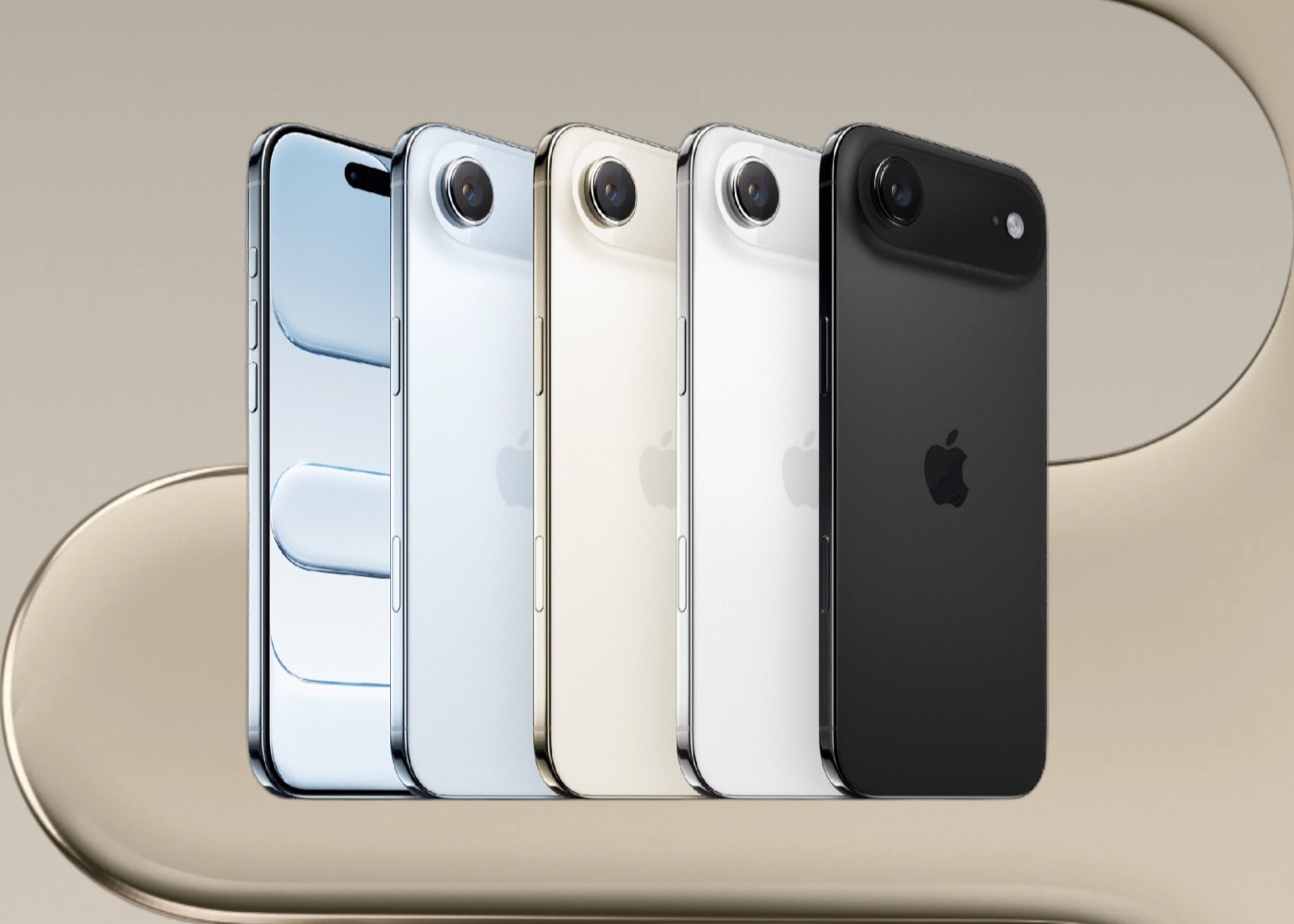
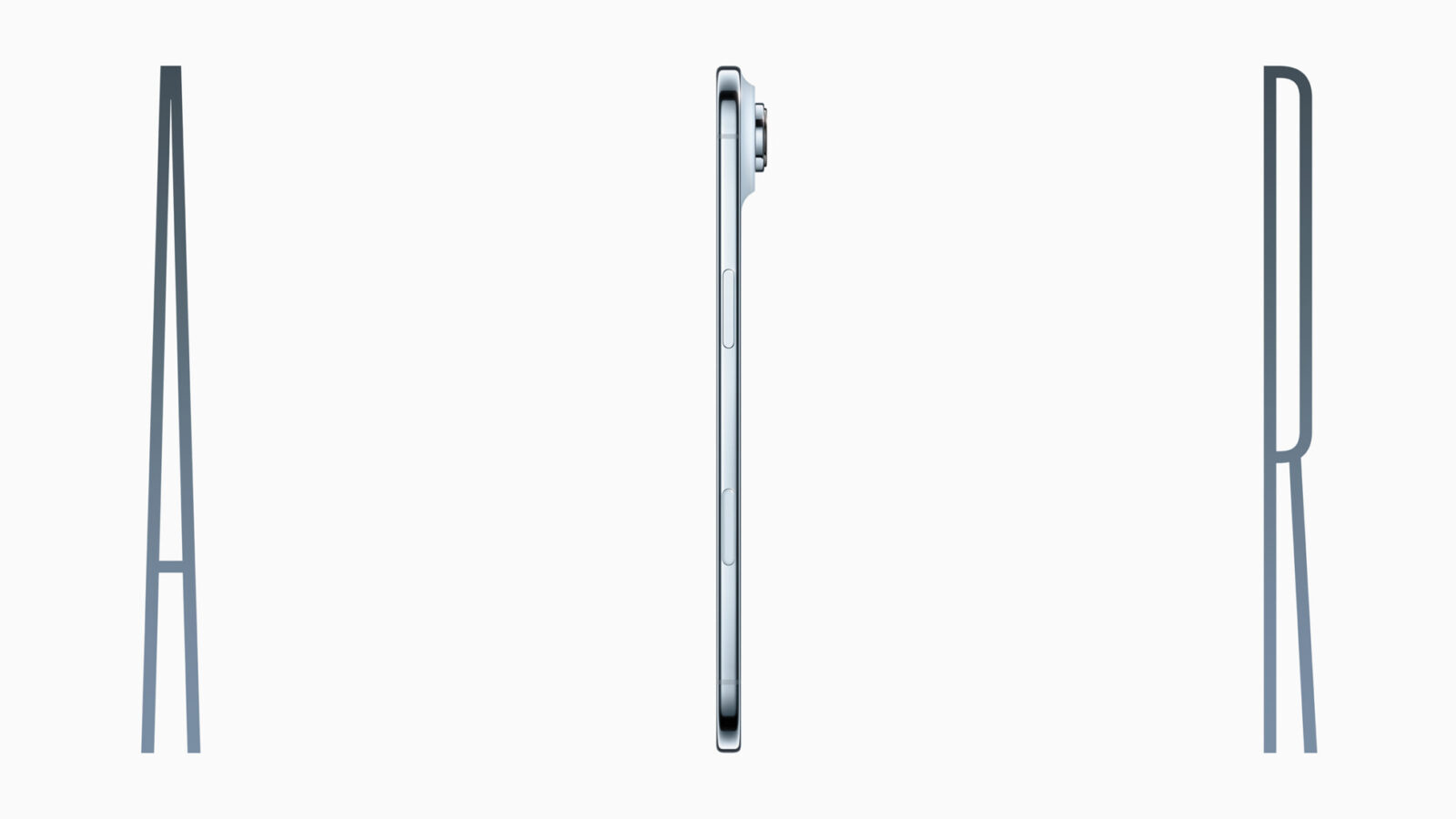
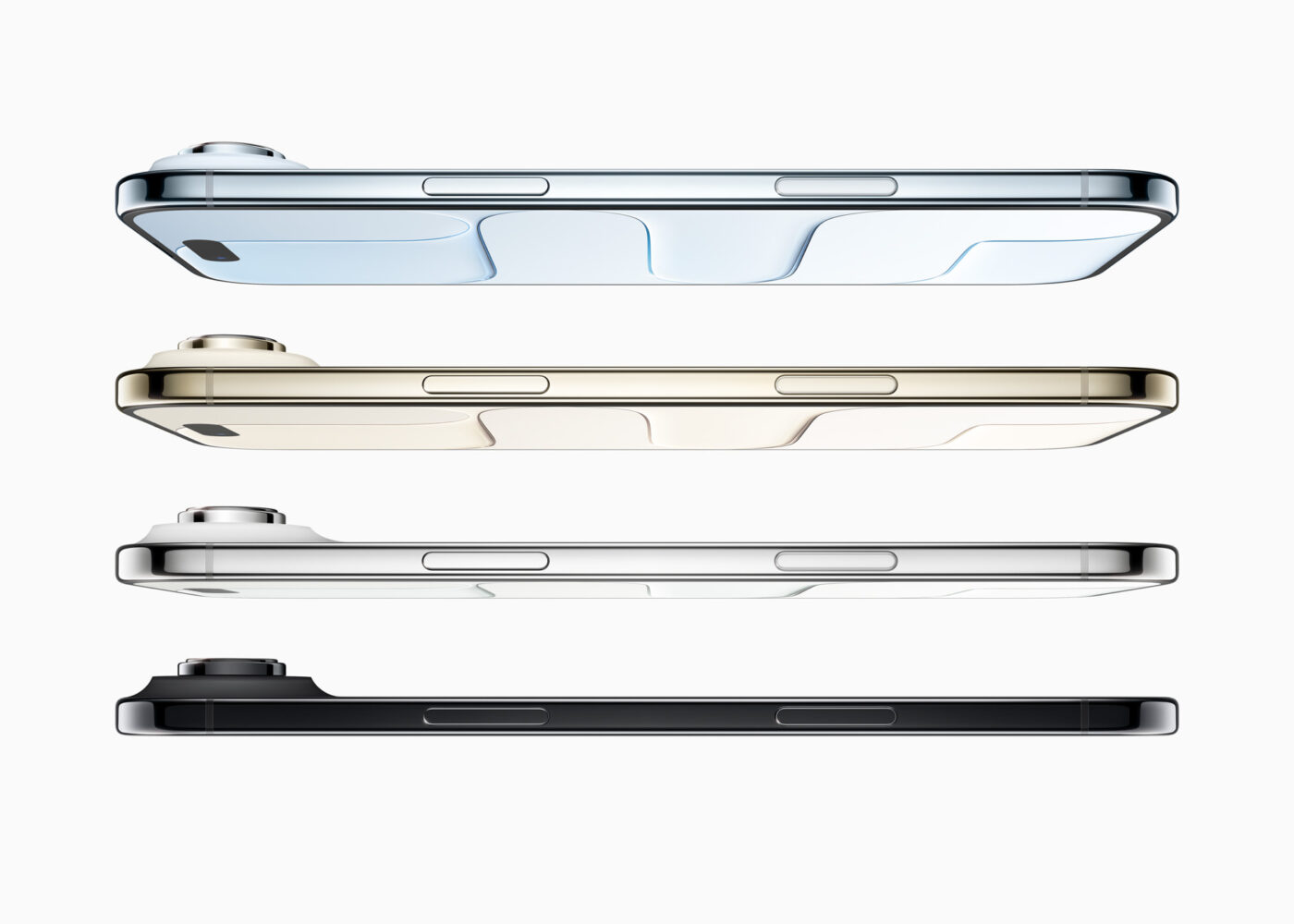
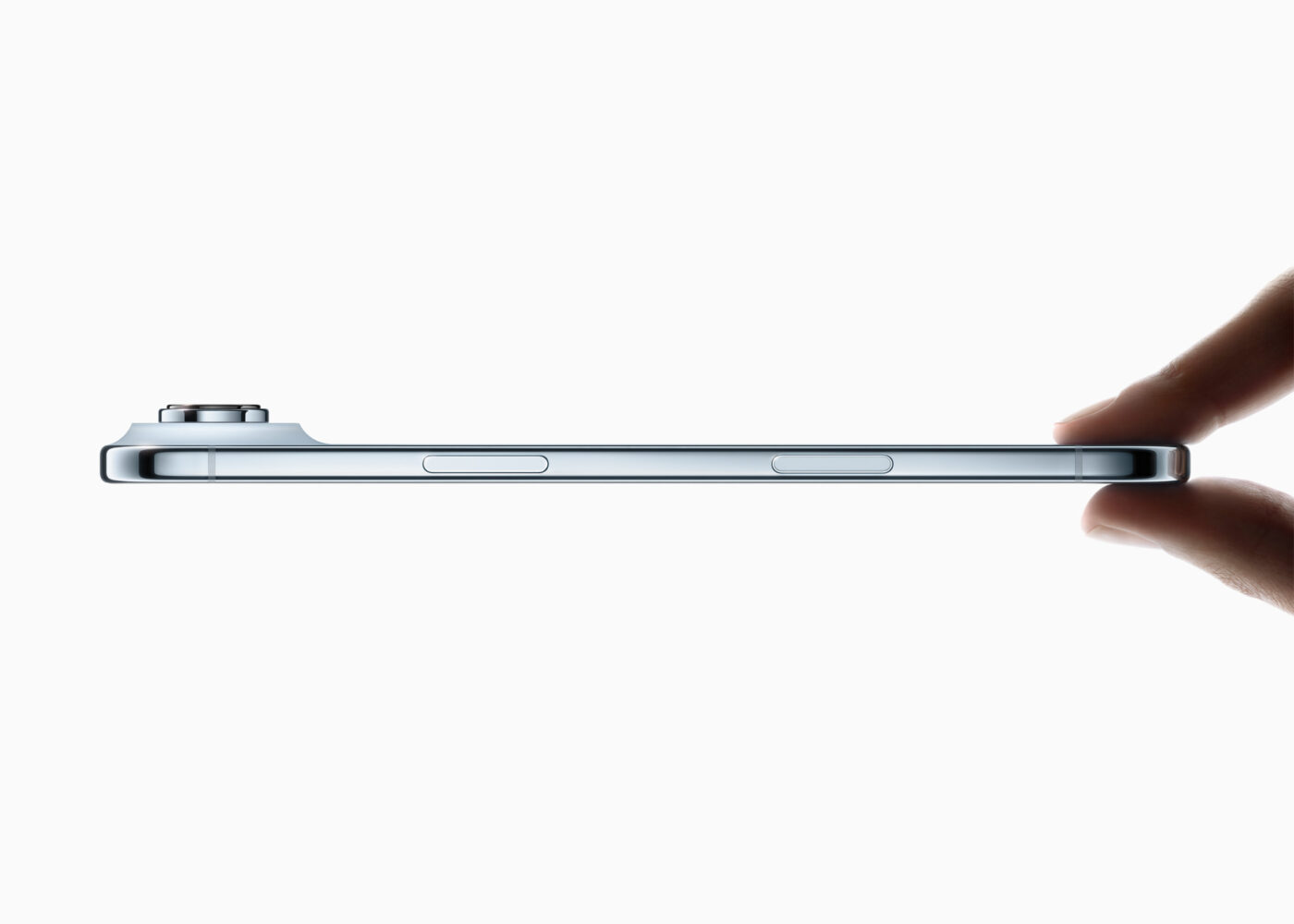
Apple has announced the iPhone Air, a new entry in the iPhone lineup that emphasizes thinness and lightness without sacrificing performance. At just 5.6mm thick, it is the slimmest iPhone to date, built around a titanium frame with Ceramic Shield protection on both the front and back. Apple says this design is not only lighter than previous models but also significantly more resistant to scratches and cracks, with reinforced durability standards compared to earlier iPhones.
The device features a 6.5-inch Super Retina XDR display with ProMotion technology, offering an adaptive refresh rate up to 120Hz. Outdoor usability has been improved with peak brightness reaching 3000 nits, the highest on any iPhone so far, and better contrast for readability in sunlight. The new Ceramic Shield 2 glass on the front is advertised as providing triple the scratch resistance of earlier versions, while the back glass, now also shielded, is claimed to be four times more crack-resistant.
Powering the iPhone Air are three new Apple-designed chips: the A19 Pro processor, the N1 wireless chip, and the C1X modem. The A19 Pro brings a 6-core CPU and upgraded GPU aimed at both everyday efficiency and intensive mobile gaming. Apple highlights new Neural Accelerators in the GPU cores that are designed to improve on-device AI tasks. The N1 chip supports Wi-Fi 7, Bluetooth 6, and Thread, while the C1X modem reportedly doubles the speed of its predecessor while using 30% less energy.
Camera performance remains a major focus. The rear setup is anchored by a 48MP Fusion main camera with quad-pixel sensor and improved low-light handling. It supports 28mm and 35mm focal lengths as well as a 2x telephoto option. Portrait photography benefits from depth data capture, allowing users to adjust focus after shooting. Video recording supports 4K at 60fps with Dolby Vision HDR, along with Spatial Audio and advanced noise control features.
The front camera takes a new approach with an 18MP sensor and what Apple calls Center Stage functionality, which automatically adjusts framing during photos, group shots, and video calls. Unlike past iPhones, the camera supports both portrait and landscape selfies without physically rotating the device.
Battery performance has been enhanced with redesigned internal architecture that reserves more space for the cell. iOS 26 introduces an Adaptive Power Mode that tracks user behavior to extend runtime. Apple claims “all-day” usage under typical conditions, though exact benchmarks were not provided.
The iPhone Air moves fully to an eSIM-only setup, eliminating the physical SIM card tray. This change, already implemented in the U.S. with the iPhone 14 series, is now being extended more broadly. eSIM is backed by more than 500 carriers worldwide and offers convenience for international travel, though it may still raise challenges for users in regions with limited carrier support.
On the software side, iOS 26 brings design tweaks, system-wide AI features under the branding of “Apple Intelligence,” and refinements across core apps. Apple Intelligence runs on-device, supporting tasks like live translation and advanced screenshot search, with more languages expected to roll out through 2025.
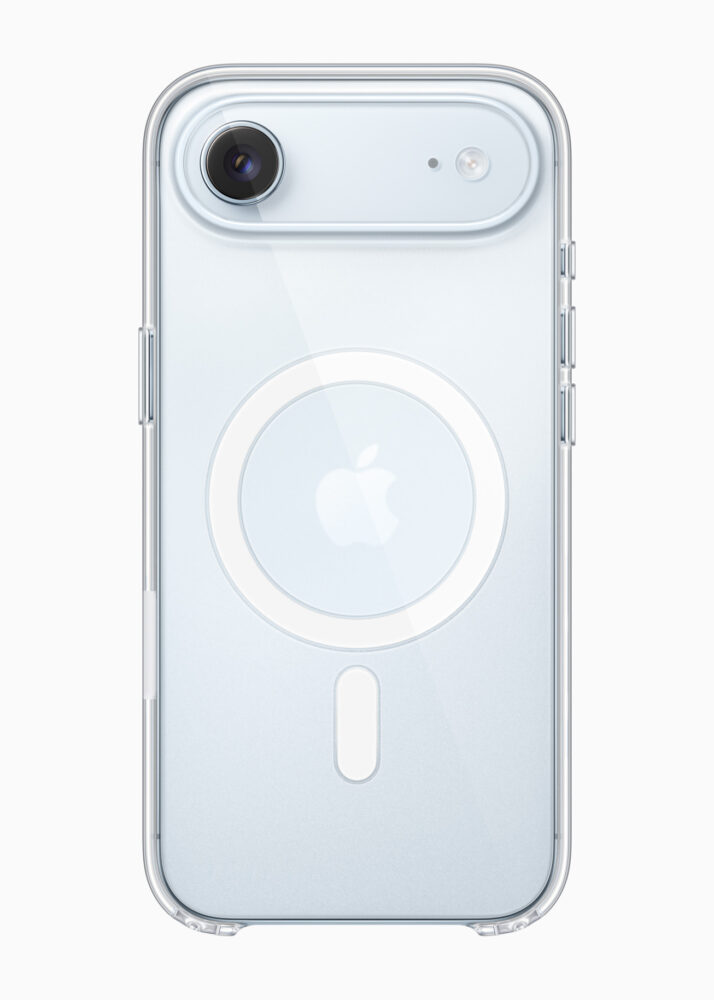
Accessories for the iPhone Air include new MagSafe cases, bumpers, a crossbody strap, and an updated MagSafe Battery pack that extends playback time by up to 40 hours when combined with the phone’s built-in battery.
Environmental considerations remain part of Apple’s marketing narrative. The iPhone Air incorporates 35% recycled materials overall, including 80% recycled titanium and 100% recycled cobalt in the battery. Manufacturing uses higher proportions of renewable energy, while packaging has shifted entirely to fiber-based materials.
The iPhone Air launches in space black, cloud white, light gold, and sky blue, with storage starting at 256GB and scaling up to 1TB. Pricing begins at AED 4,299, with pre-orders opening September 12 and general availability starting September 19 in more than 60 countries. A wider rollout to 22 additional markets will follow on September 26.
While the iPhone Air introduces a thinner design and updated silicon, the changes are evolutionary rather than radical. Its durability claims, camera refinements, and eSIM-only approach point to a steady tightening of Apple’s hardware ecosystem, even as the company continues to position the iPhone as its flagship device for AI and mobile computing.