
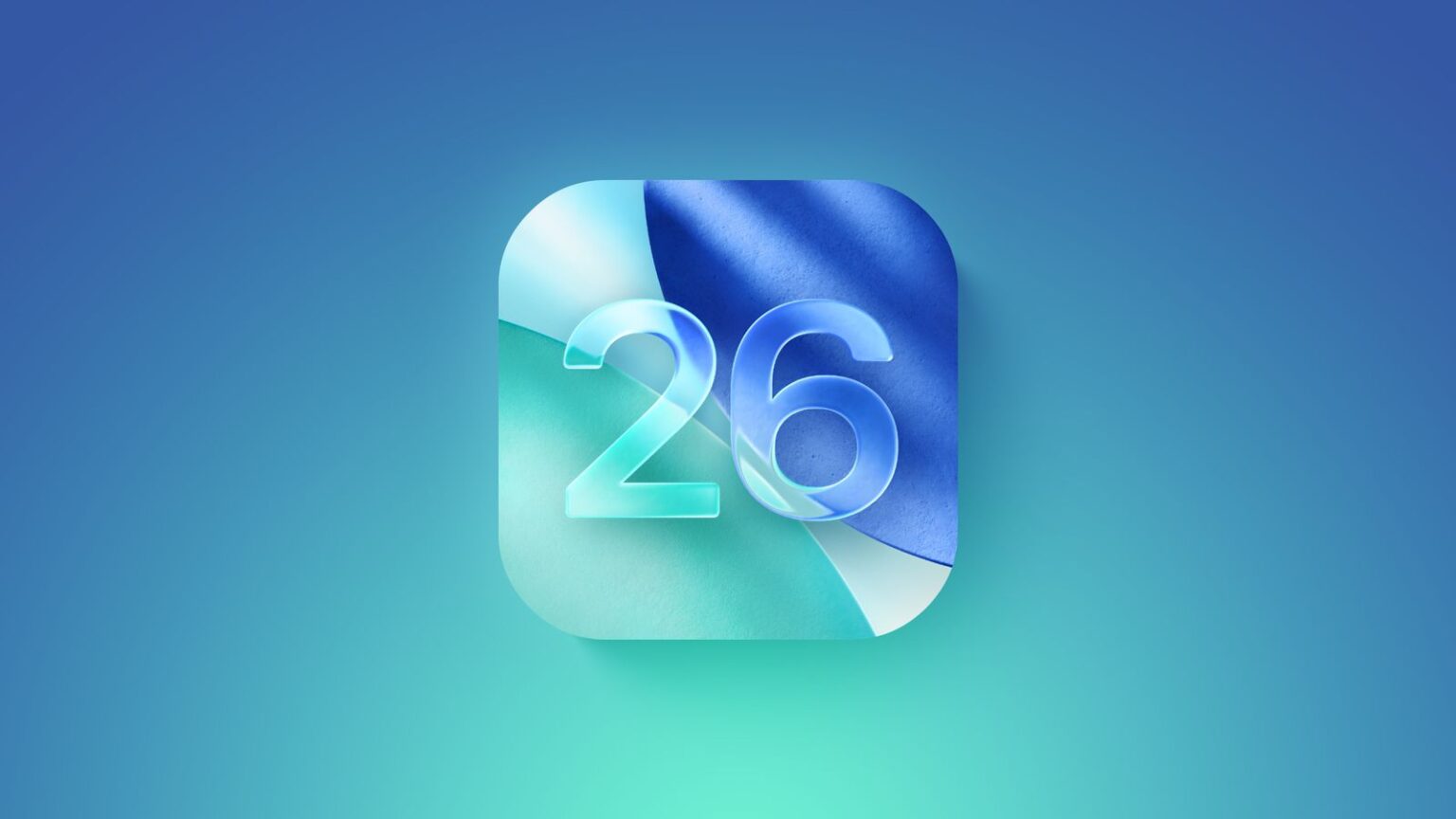
Apple has released updated adoption figures for iOS 26 and iPadOS 26, offering a clearer picture of how quickly users have moved to the latest versions of its mobile operating systems. The numbers are based on devices that completed a transaction on the App Store as of February 12, 2026, a standard method the company uses to measure active usage.
According to Apple, 74% of iPhones introduced in the last four years are now running iOS 26. Across all active iPhones, regardless of age, the adoption rate stands at 66%. On the tablet side, 66% of iPads released in the past four years are using iPadOS 26, while 57% of all active iPads are on the current version.
For comparison, Apple previously reported that as of January 21, 2025, 76% of iPhones from the prior four years were running iOS 18, and 68% of all active iPhones had adopted that version. On iPad, 63% of recently released models were on iPadOS 18, with 53% of the overall iPad base updated at the time.
At first glance, iOS 26 adoption appears broadly in line with iOS 18. However, the timing of Apple’s reporting complicates the comparison. The iOS 26 data reflects roughly 150 days of availability following its public release, whereas iOS 18’s adoption figures were published after about 127 days. That three-week difference suggests iOS 26 uptake has been modestly slower when measured over a comparable timeframe.
The reasons for slower iOS 26 adoption are not fully clear. Major software updates can face early hesitation due to design changes, performance concerns on older devices, or compatibility issues with third-party apps. Some users have reportedly held off because of the new Liquid Glass interface redesign, which represents a noticeable visual shift. While Apple typically sees strong early adoption due to broad device support and streamlined update prompts, incremental fatigue or feature skepticism can affect upgrade patterns year over year.
On the iPad side, iPadOS 26 shows slightly higher percentages than its predecessor when viewed in isolation. But again, the additional availability window makes direct comparisons less straightforward. When adjusted for time on the market, the differences are narrower than they initially appear.
From a developer perspective, the data still points to relatively fast migration across Apple’s ecosystem compared to other mobile platforms. Two-thirds of all active iPhones running iOS 26 within roughly five months supports a consistent base for app compatibility and feature rollouts. At the same time, the incremental slowdown suggests that even within tightly integrated ecosystems, user upgrade behavior can shift in response to design direction and perceived value.
As Apple prepares future updates, adoption trends for iOS 26 and iPadOS 26 will likely continue to be closely watched. Software adoption rates remain one of the clearest indicators of how users respond to platform changes at scale.