
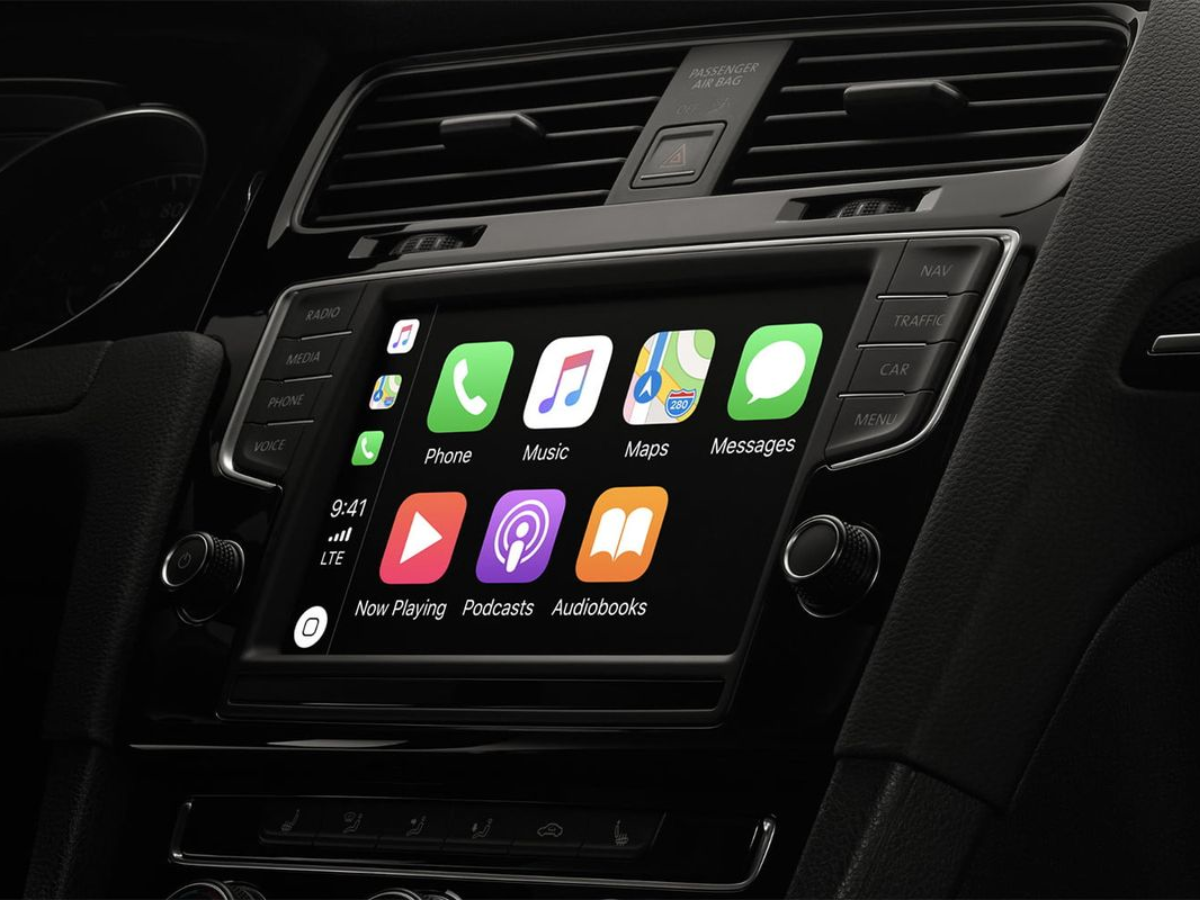
Apple’s latest software update is extending in-car functionality in a way that reflects broader changes in how drivers interact with digital assistants. With iOS 26.4, CarPlay is gaining support for conversational AI apps, marking a shift from simple command-based voice controls toward more flexible, dialogue-driven interactions.
As outlined in the report , the update allows apps like ChatGPT, Google Gemini, and Claude to integrate with CarPlay, provided developers update their apps accordingly. These tools are limited to voice-only operation while driving, meaning they launch directly into conversational mode without displaying text or visual elements. This restriction appears designed to reduce distraction and keep attention on the road, aligning with existing safety expectations around in-car systems.
The addition of AI chatbots introduces new possibilities, but its practical use may be narrower than it initially seems. Most common in-car tasks—navigation, music playback, and communication—are already handled efficiently by existing voice assistants. While conversational AI could offer more nuanced responses or handle complex queries, it remains unclear how often drivers will rely on that depth during routine trips.
Importantly, Apple has not opened the system fully. Siri remains the default assistant, and these AI tools function more as supplementary options rather than replacements. This layered approach suggests a cautious rollout, where expanded capability is introduced without fundamentally changing the core driving interface.
Alongside AI integration, iOS 26.4 also introduces an Ambient Music widget to CarPlay. This feature brings curated playlists organized around themes such as relaxation, focus, and general wellbeing. While similar tools already exist within music apps, embedding them directly into the driving interface reflects a growing emphasis on passive, low-interaction experiences behind the wheel. That said, some playlist categories—like sleep-focused audio—raise questions about context and appropriate use while driving.
There are also indications of future updates aimed at expanding CarPlay’s media capabilities. References found in the iOS 26.4 beta suggest that video playback could be introduced later, though this feature has not been officially confirmed. If implemented, it would likely come with restrictions, such as limiting playback to when the vehicle is stationary, consistent with how other in-car entertainment systems operate.
Taken together, these updates point to a gradual evolution of CarPlay from a utility-focused interface into a broader digital environment. The addition of conversational AI in cars reflects wider industry trends, but its real-world value will depend on how seamlessly it fits into driving habits without adding complexity or distraction.