

Apple has released iOS 26.4, a more substantial update compared to recent iterations, focusing on practical feature additions across music, system usability, and account management. While the anticipated upgrade to Siri’s AI capabilities is still absent, the update introduces several changes that affect how users interact with core apps and services.
One of the more visible updates arrives in Apple Music. A new feature, Playlist Playground, allows users to generate playlists using text prompts. By describing a mood, genre, or specific artists, users can create or modify playlists without manually selecting tracks. The feature is currently limited to the U.S., but it works across all devices running iOS 26.4, regardless of whether they support Apple’s broader AI framework. Apple Music also adds a Concerts discovery feature, surfacing nearby live events based on listening habits, alongside interface updates like full-screen artwork for albums and playlists.
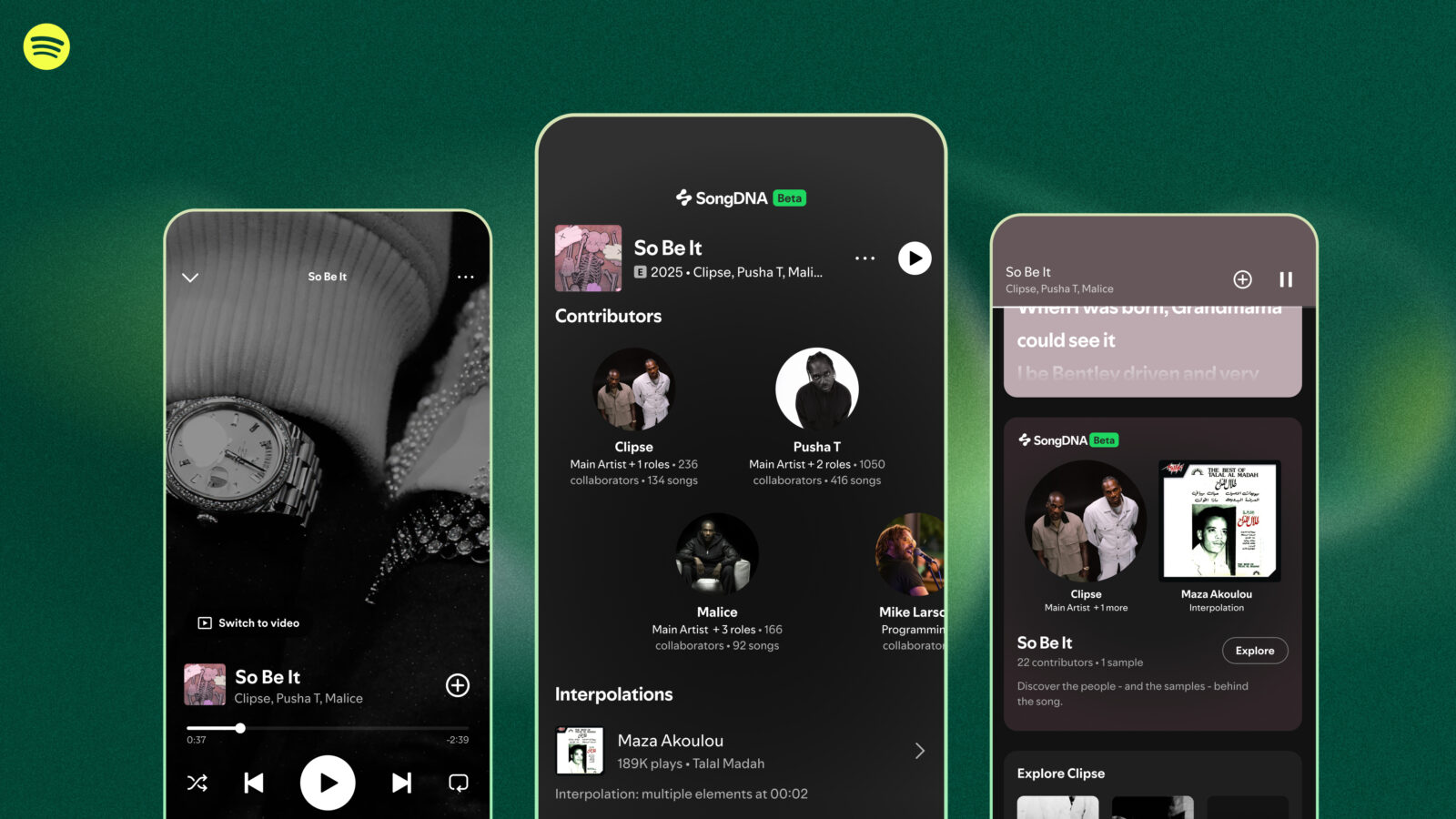
Another addition tied to music is offline song recognition. Users can now identify tracks through Shazam directly from the Control Center, even without an internet connection. Results are processed once connectivity returns, making the feature more practical in situations where network access is limited. A new Ambient Music widget also provides quick access to curated playlists focused on categories such as sleep, productivity, and relaxation, suggesting a continued push toward passive listening experiences.
Changes extend to Apple Podcasts, where video playback has been updated with support for HTTP Live Streaming (HLS). This allows the app to automatically adjust video quality based on connection speed, reducing the need for manual adjustments. It also enables smoother transitions between audio-only and video playback, reflecting the growing overlap between podcast formats.
Accessibility updates are another part of the release. A new “Reduce Bright Effects” option limits intense flashes within the interface, while improvements to the existing “Reduce Motion” setting aim to make animations more consistent across the system. Subtitle and caption controls have also been made easier to access, with real-time previews integrated into the media player.
As expected, iOS 26.4 includes a small batch of new emoji, continuing Apple’s regular updates in this area. While largely cosmetic, these additions remain part of the platform’s broader communication tools and compatibility standards.
The update also introduces changes to Freeform, particularly for users subscribed to Apple’s Creator Studio service. A new Content Hub provides access to a library of images and graphics, though these features are restricted to paying users, reinforcing Apple’s gradual expansion of subscription-based tools within its ecosystem.
In the Reminders app, marking tasks as urgent has been simplified, with new shortcuts and filtering options that make priority management more accessible. Family Sharing also sees a notable adjustment, allowing individual members to use their own payment methods instead of relying on a single shared card. This addresses a long-standing limitation and brings the feature closer to standard multi-user account systems.
Apple has also made changes to keyboard performance, specifically targeting accuracy when typing quickly. While the company hasn’t detailed the technical adjustments, the update appears to respond to user complaints about increased typing errors in earlier versions of iOS 26.
A more regulatory-focused addition comes in the form of age verification requirements in select regions, including parts of the United States, Australia, Brazil, and Singapore. Apple has introduced a system that can confirm whether users meet minimum age requirements without sharing detailed personal data, using an API that communicates eligibility rather than exact information.
Overall, iOS 26.4 combines feature updates with incremental system improvements. While it doesn’t introduce a headline-grabbing change like a redesigned interface or major AI upgrade, it reflects a broader effort to refine existing services, expand subscription offerings, and align with evolving regulatory requirements.