

Huawei has secured the top spot in the global wearable market for the second consecutive quarter, holding a 20.2% share in Q2 2025, according to IDC. The ranking underscores the company’s growing presence in health-focused smart devices, even as competition intensifies across Asia, Europe, and North America.
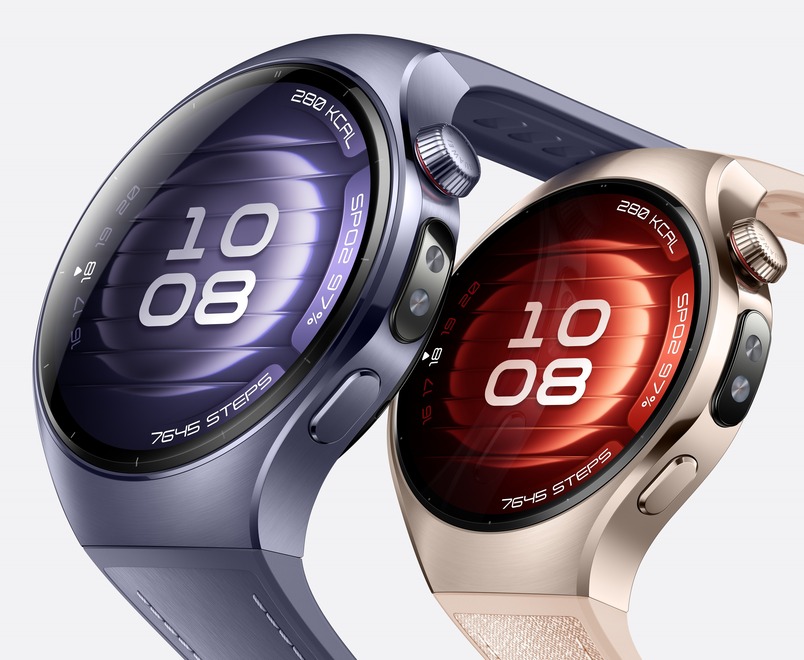
Huawei’s rise has been driven by a broad portfolio that targets multiple consumer segments. The HUAWEI WATCH FIT 4 Series caters to users seeking compact, everyday fitness tracking, while the HUAWEI WATCH GT 5 Series introduced the TruSense system, a suite of upgraded sensors and algorithms aimed at improving health monitoring accuracy. The premium HUAWEI WATCH 5 Series and the rugged WATCH Ultimate line serve higher-end users, while the WATCH D2 remains distinctive as the first smartwatch to support wrist-based ambulatory blood pressure monitoring (ABPM), a capability that places it at the intersection of wearables and medical technology.
The company will look to sustain its momentum at an upcoming event in Paris on September 19, themed “Ride the Wind.” The launch is expected to feature the WATCH GT 6 Series, an updated WATCH Ultimate 2, and a new version of the WATCH D2, suggesting Huawei intends to deepen its focus on both performance wearables and health-oriented devices.
Huawei’s push into wearables reflects a broader strategic shift. With smartphone shipments under pressure from U.S. restrictions and market saturation, the company has leaned heavily on wearables, tablets, and audio products to maintain global consumer visibility. Its investment in health-tracking features mirrors trends across the industry, with rivals like Apple, Samsung, and Garmin also prioritizing medical-grade metrics and fitness insights as key differentiators.
Still, questions remain over how Huawei will sustain growth outside of China and select European markets, particularly given its limited access to Google services and broader geopolitical scrutiny. That said, its ability to top the global wearable charts for two consecutive quarters signals that its ecosystem strategy—combining hardware, in-house operating systems, and cross-device integration—has gained significant traction with consumers.