


The huawei watch ultimate 2 is positioned as a premium outdoor smartwatch that blends traditional watch styling with modern fitness and navigation features. Built with a zirconium-based liquid metal case, ceramic components, and sapphire glass, it is clearly aimed at people who want a rugged device that still looks like a high-end timepiece. While those materials suggest durability and scratch resistance, they also place the watch in a category where expectations around long-term comfort, weight, and price will naturally be higher than with basic sports wearables.

One of the main selling points of the huawei watch ultimate 2 is its focus on positioning and navigation for outdoor activities. The watch uses a gap antenna system based on multi-segment micro-gap technology, where the metal frame is divided into distinct sections to improve signal performance. Paired with a smart antenna algorithm that adjusts signal strength and connectivity as you move, the watch aims to maintain a more stable link in environments where GPS reception can be inconsistent. Dual-band, five-system GNSS support and what Huawei calls “Sunflower positioning” are designed to improve accuracy and provide more reliable 3D distance calculations in complex terrain, such as mountains or dense urban areas.
For hikers, trail runners, and other outdoor users, the expedition-oriented software features may be more important than the hardware. The huawei watch ultimate 2 allows you to import custom routes and download offline maps, which is useful if you are going into areas with poor or no network coverage. While you are out, the watch tracks metrics such as heart rate, altitude, and air pressure, and offers a backtrack navigation option to guide you back to your starting point if you lose your way. Post-activity summaries let you review the route and key stats afterwards, although how detailed and customizable those reports are will matter to more serious users comparing it with dedicated sports watches.
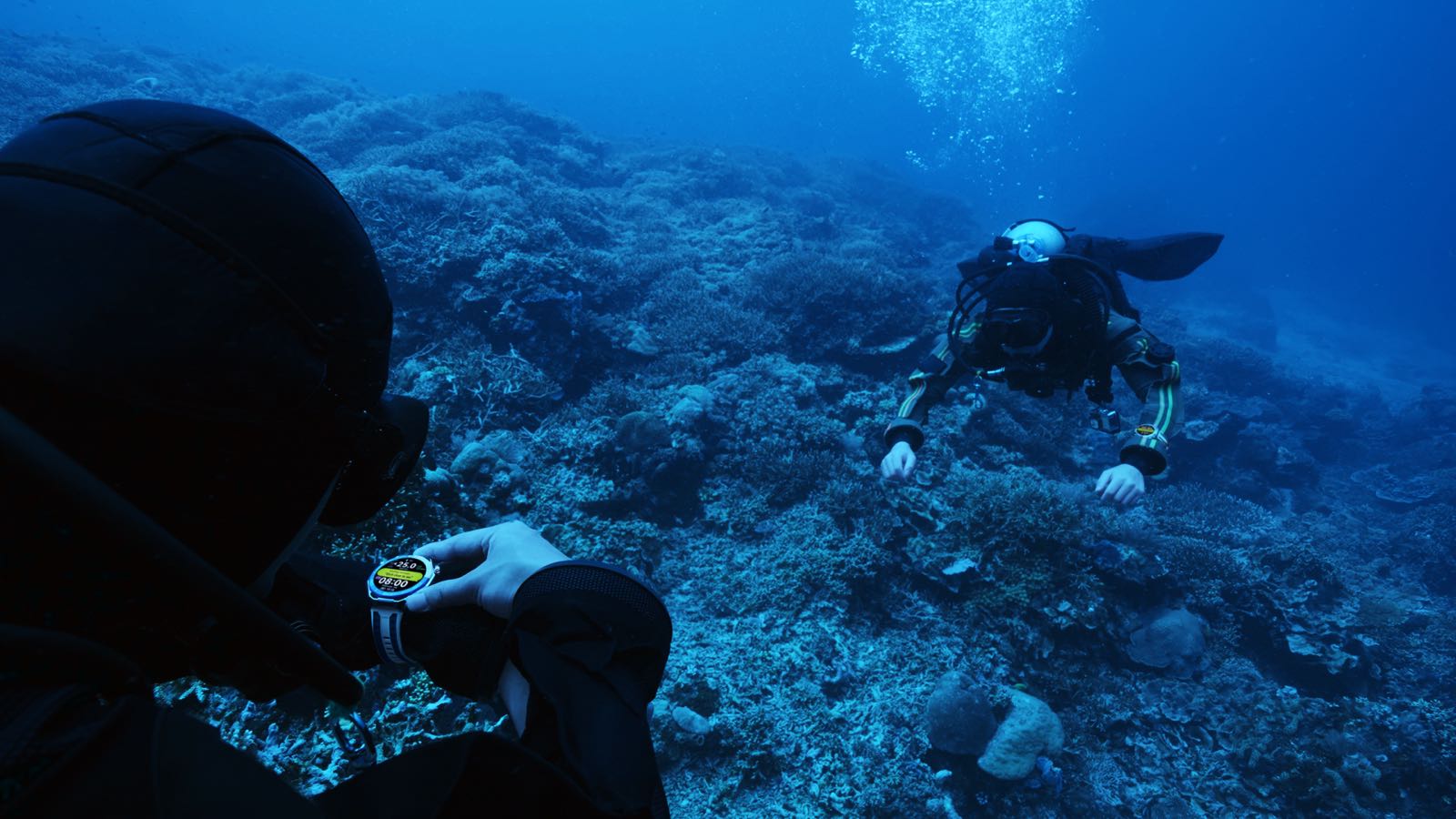
Safety tools are another part of the pitch. The watch includes fall detection, one-tap SOS messaging, and high-altitude monitoring. These features are increasingly standard across advanced smartwatches, and their real value depends on how reliably they trigger and how quickly they can connect to your chosen contacts or services. Still, having them on a device designed for outdoor exploration makes sense, especially for users who often train or travel alone.
Health tracking on the huawei watch ultimate 2 is built around the X-TAP sensor on the right side of the case, combined with a sensor module on the back. Together they form what Huawei calls the TruSense System, which integrates ECG, PPG, and pressure sensors. Pressing and holding the X-TAP for around three seconds launches a Health Glance check, providing a snapshot of several health indicators in one go. There is also fingertip SpO2 monitoring to keep an eye on blood oxygen levels, which can be especially relevant in high-altitude environments. As with any consumer wearable, these readings are generally meant for wellness and training insights rather than as a replacement for professional medical devices.
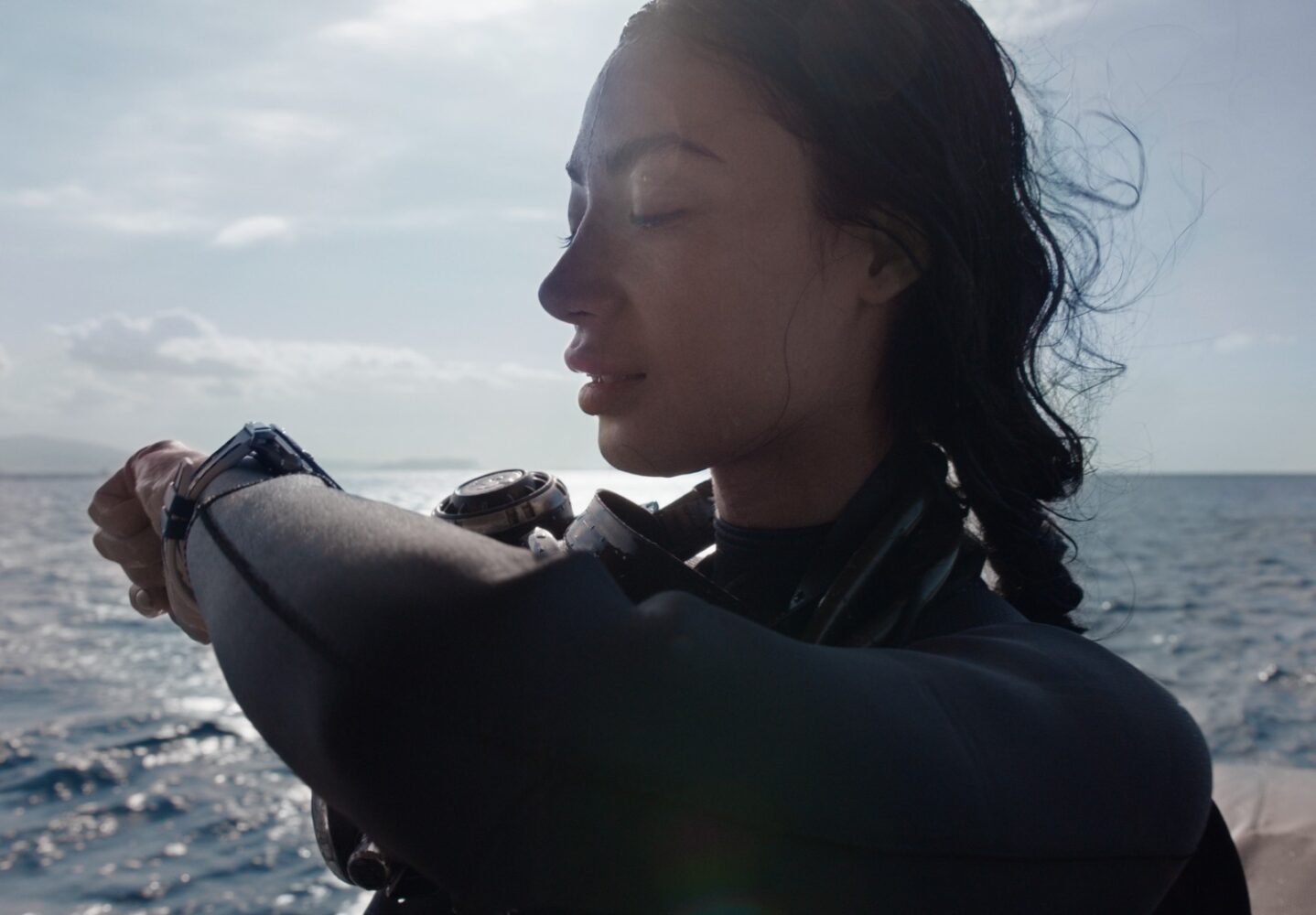
Battery life is handled through two main modes. In Standard mode, Huawei claims up to 4.5 days of use on a full charge, which will likely vary depending on how often you use GPS, health monitoring, always-on display, and notifications. Battery saver mode strips the experience back to core features to extend runtime further, which can be useful on multi-day trips where charging options are limited. Smart battery management helps by estimating remaining battery life when you start an activity or when the charge drops to a low level, letting you decide whether to adjust your settings or switch modes.
Taken together, the huawei watch ultimate 2 presents itself as a hybrid between a luxury-style watch and a feature-rich outdoor smartwatch. The premium materials, gap antenna design, and GNSS capabilities are meant to support more accurate tracking and robust connectivity, while the expedition tools, safety functions, and health features target hikers, climbers, and outdoor enthusiasts who want more than step counts and notifications. At the same time, the marketing language around “reimagined exploration” and advanced sensing should be balanced with realistic expectations: performance will depend on software quality, regional map coverage, real-world GPS behaviour, and how well the hardware holds up with regular use.
For anyone comparing outdoor smartwatches, the huawei watch ultimate 2 is likely to appeal to users who care as much about design and materials as they do about navigation and health features. Those who prioritize maximum battery life, highly granular training metrics, or open ecosystem support may still want to weigh it against other adventure-focused watches before deciding which device best fits their needs.