
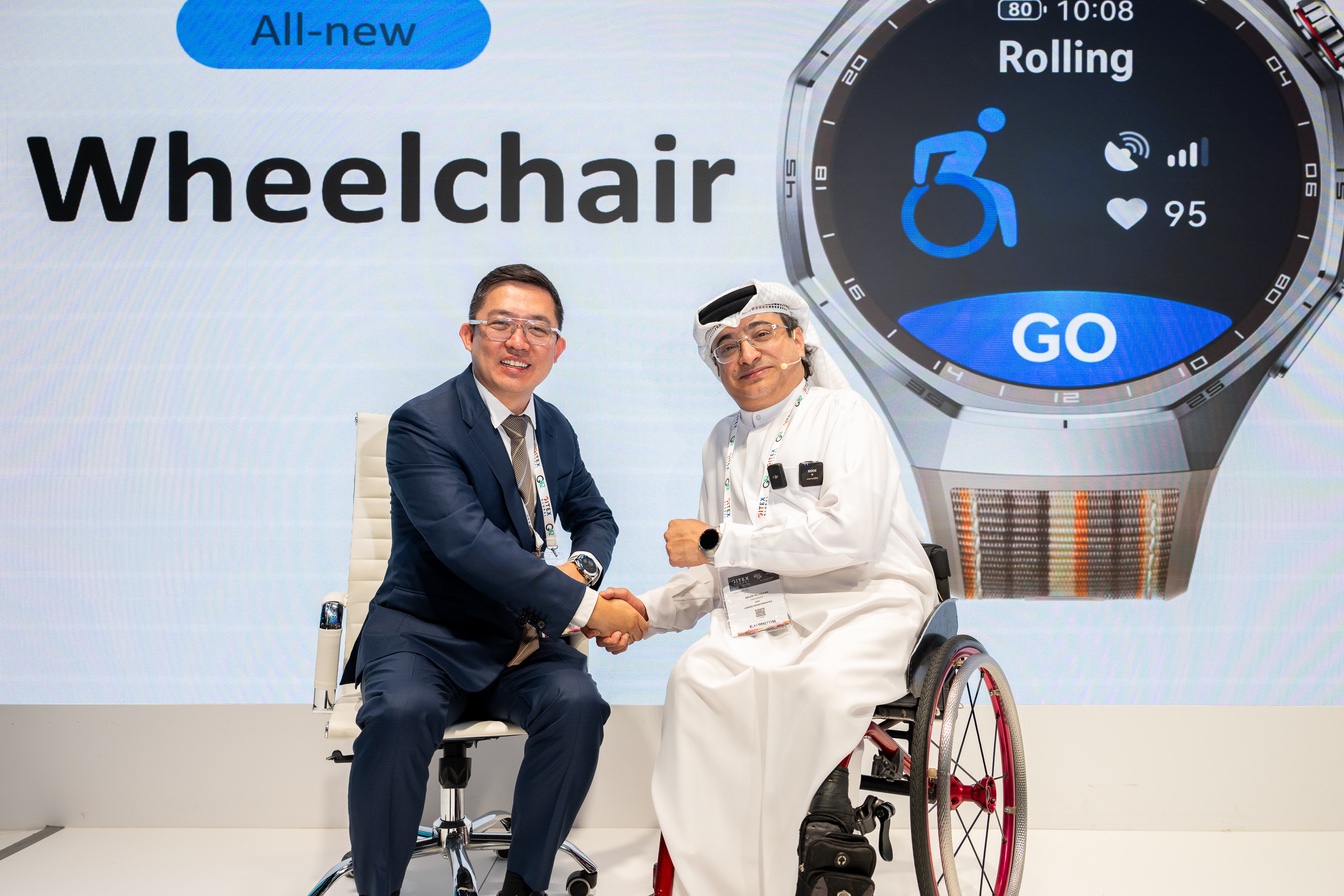
At GITEX 2025 in Dubai, Huawei introduced a new Wheelchair Mode for its HUAWEI WATCH GT 6 Series, marking a notable step toward more inclusive wearable technology. The feature, developed following a suggestion from His Excellency Majid Rashed, President of the Asian Paralympic Committee, will become available globally through a software update in early November, coinciding with the start of Dubai Ride.
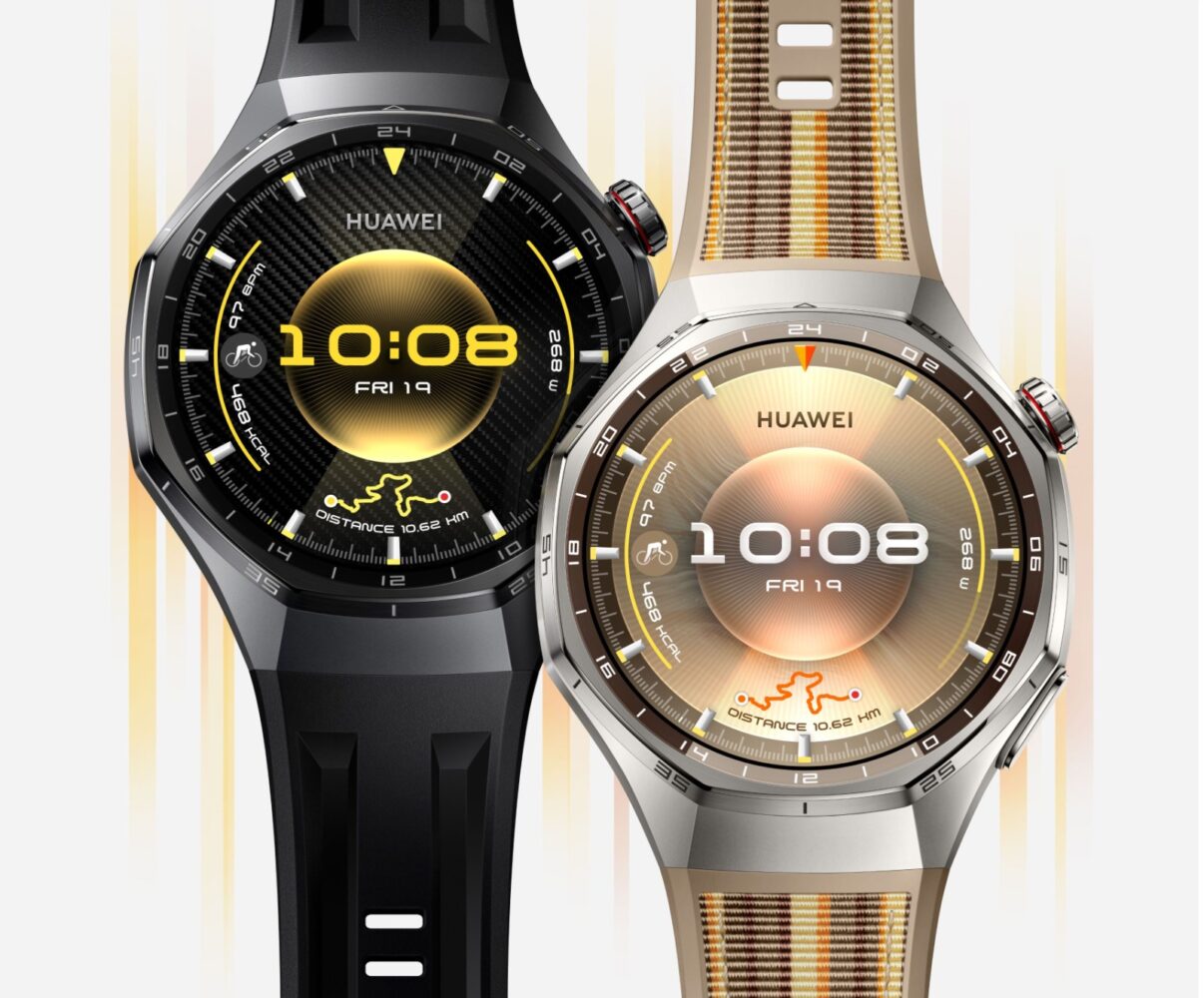
Wheelchair Mode is designed specifically for wheelchair users, adapting Huawei’s health and fitness tracking capabilities to their needs. Using inertial measurement units (IMUs), push-detection algorithms, and wheel rotation sensors, the mode measures metrics such as push frequency, force, speed, and distance. It integrates these data points with the HUAWEI TruSense System—Huawei’s suite for heart rate, blood oxygen, calorie, and torque monitoring—to create a more accurate and relevant health profile for wheelchair propulsion and daily mobility.
Majid Rashed, whose proposal helped inspire the development, praised Huawei for taking the idea from concept to execution, describing it as an example of how technology companies can advance inclusivity. Globally, over 80 million people use wheelchairs, and for many, such a feature could serve as both a health management and safety tool, as well as a means of personal empowerment.
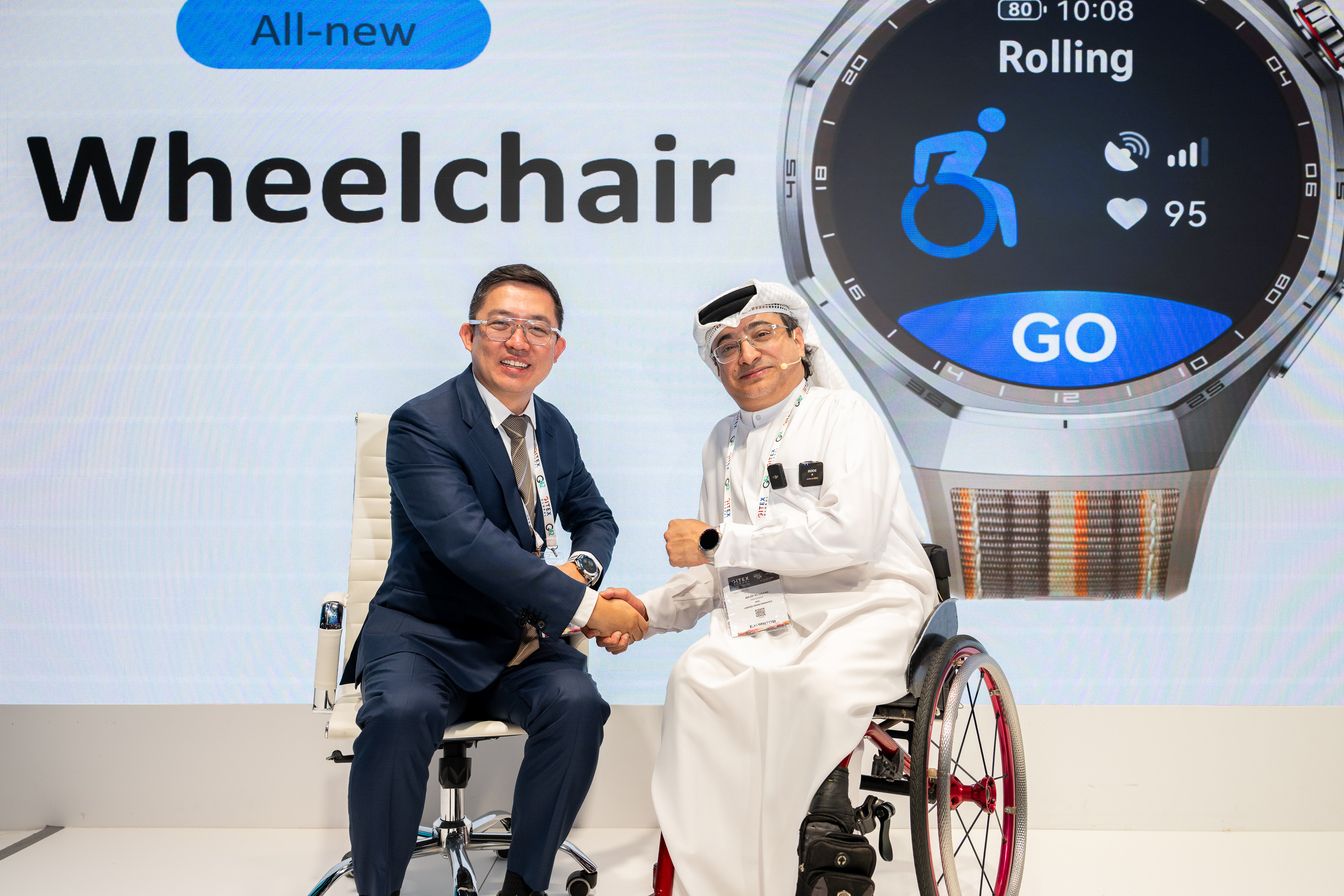
Bruce Li, Huawei’s UAE Country Manager for the Consumer Business Group, said the initiative aligns with the company’s focus on accessibility and user inclusivity. He emphasized that the project reflects Huawei’s goal of ensuring “technology empowers everyone,” adding that the company aims to make connected health tools more meaningful and adaptable to diverse users.
The HUAWEI WATCH GT 6 Series builds on the brand’s broader smartwatch capabilities, offering up to 21 days of battery life under light use, durable construction for daily wear, and expanded safety functions such as fall detection and emergency alerts that automatically contact trusted individuals in the event of an incident. These features, combined with Wheelchair Mode, position the device as a comprehensive companion for users seeking consistent health and safety tracking.
The Wheelchair Mode update will roll out worldwide in early November, beginning with a promotional campaign in Dubai. Huawei’s move underscores a broader industry trend toward inclusive design, where wearable technology is not only about monitoring performance but also improving accessibility and quality of life for people with disabilities.