


Huawei has introduced the Mate 80 lineup in China, and the headline feature comes from the Mate 80 Pro Max: a dual-layer OLED display that the company claims can reach 8,000 nits of peak brightness. If accurate, it would make the screen one of the brightest on any phone to date, edging past Realme’s recent 7,000-nit figure for the GT 8 Pro and far beyond the 3,300-nit peak advertised on Google’s Pixel 10 Pro. As always, peak brightness numbers are highly contextual—they measure localized highlights under specific conditions rather than everyday performance—but the specification signals Huawei’s intention to push its display technology into more competitive territory.
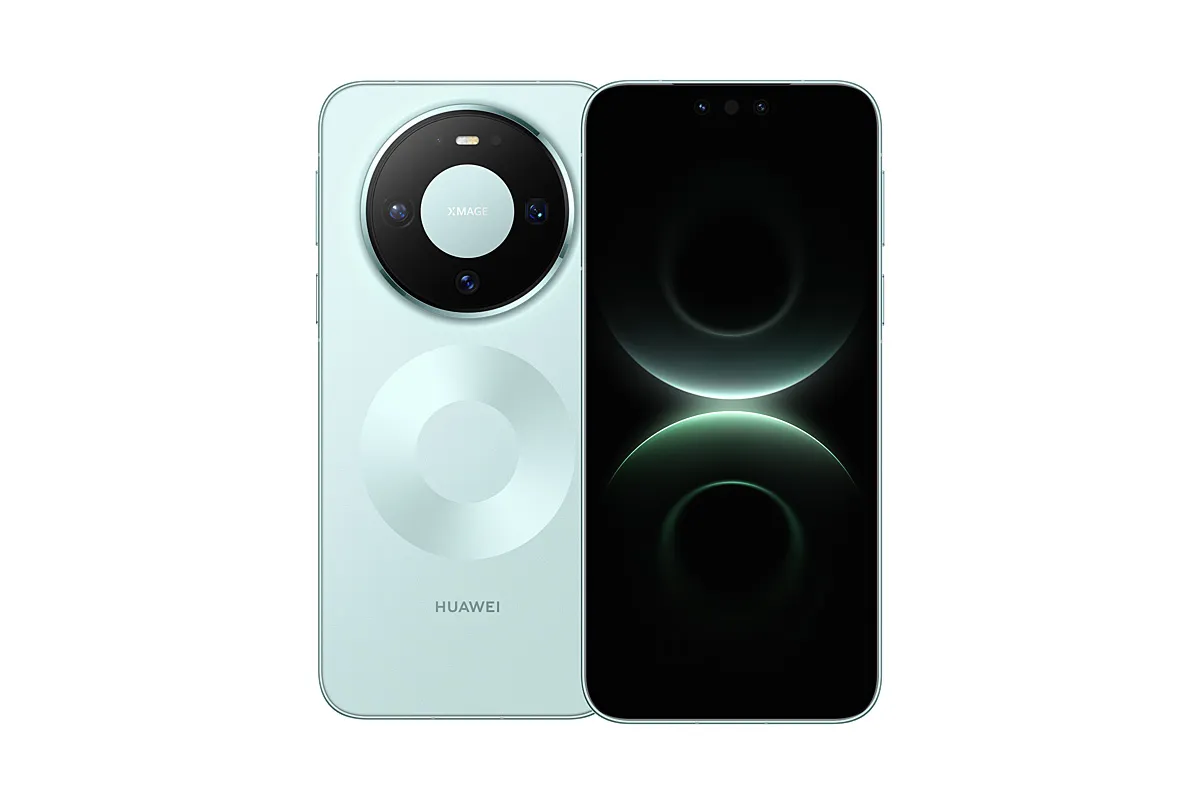
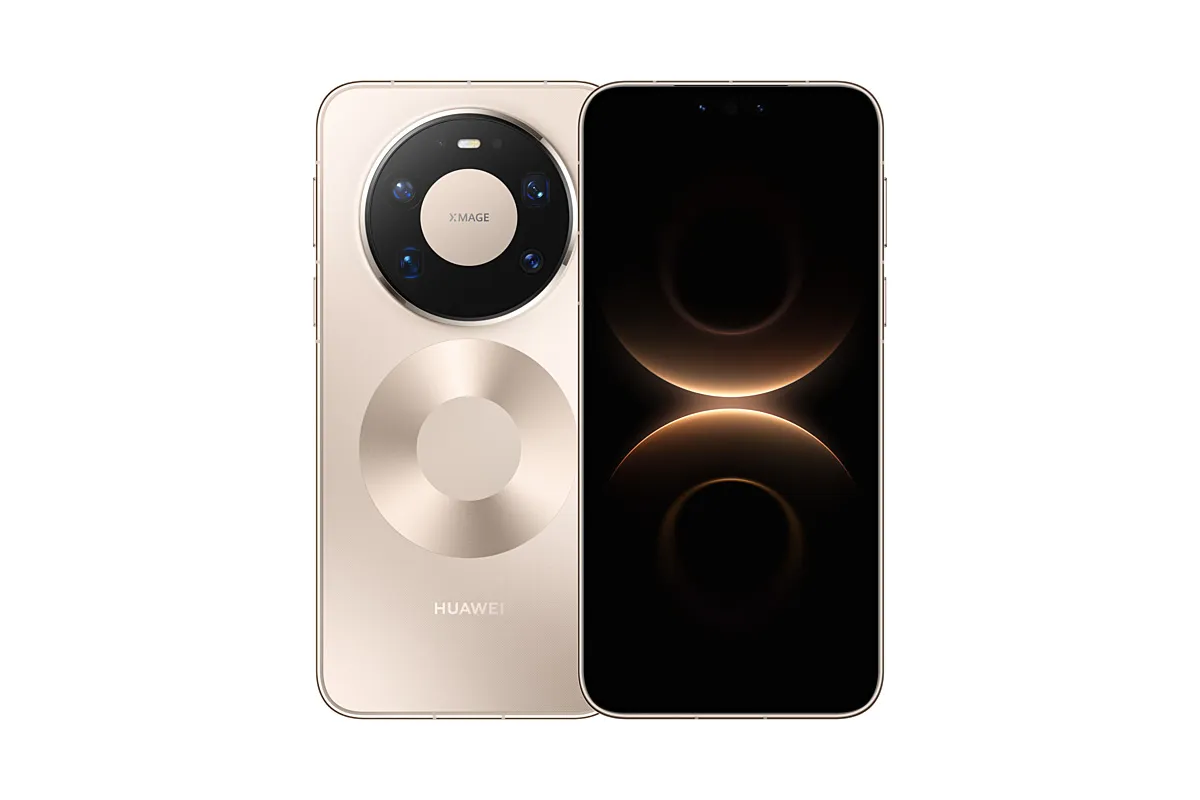
The entire Mate 80 series adopts flat screens and squared-off sides, mirroring a broader design shift across the industry as curved displays continue to fall out of favor. Huawei emphasizes a circular design motif on the rear panel, combining a round camera housing with a ring highlighting the wireless charging coils, giving the phones a symmetrical look that ties them to the “80” branding.
The lineup consists of four models: the Mate 80, Mate 80 Pro, Mate 80 Pro Max, and Mate 80 RS Ultimate Design. The standard Mate 80 offers the core flagship experience, while the Pro adds a faster chip, improved cameras, and other incremental upgrades. The Pro Max serves as the technical flagship with the dual-layer OLED panel, larger 6.9-inch display, and Huawei’s highest-end camera array, including dual periscope lenses. The Mate 80 RS Ultimate Design shares most Pro Max internals but adds RAM—up to 20GB—and styling aimed at the premium boutique segment.


Despite the focus on brightness, Huawei has not joined the trend toward oversized batteries seen in devices from some domestic competitors. The Pro Max tops out at 6,000mAh, which is substantial but conservative compared with the 7,000-8,000mAh batteries now appearing in a few Chinese high-end models. Huawei is instead leaning on camera hardware—along with support for an optional telephoto extender kit—to reinforce imaging as a key differentiator.
In addition to the Mate 80 phones, Huawei also unveiled the Mate X7, its latest book-style foldable. The device brings stronger dust and water protection than its predecessor, now rated IP58 and IP59—close to the IP68 certification found on competing foldables like the Pixel 10 Pro Fold. A larger 5,600mAh battery, bigger displays, and upgraded cameras round out the refresh.
The launch event extended beyond smartphones, with Huawei announcing updates across wearables, tablets, laptops, audio gear, TVs, and networking devices. For now, all of these products are limited to the Chinese market, though select models may see limited release abroad depending on regional strategy and regulatory constraints.