Huawei is preparing for a major product showcase in Dubai on December 11, where the company will present a new lineup headlined by the Mate X7, its latest foldable smartphone. The event, titled Unfold the Moment, marks the brand’s continued push to maintain relevance in premium mobile hardware as the global foldable market matures and competition widens.
Foldable phones have been a core part of Huawei’s strategy since the original Mate X debuted in 2019. In the years since, the company has steadily refined durability, hinge engineering, and screen reliability. Market data from IDC indicates that Huawei held about 70% of China’s foldable segment in the first half of 2025, attributed largely to its domestic momentum rather than international presence, where ongoing restrictions have affected distribution. The Mate X7 will introduce a dual-fold mechanism aimed at improving structural stability and longevity, along with an upgraded camera system designed to appeal to users who rank imaging performance as a priority in a flagship phone.
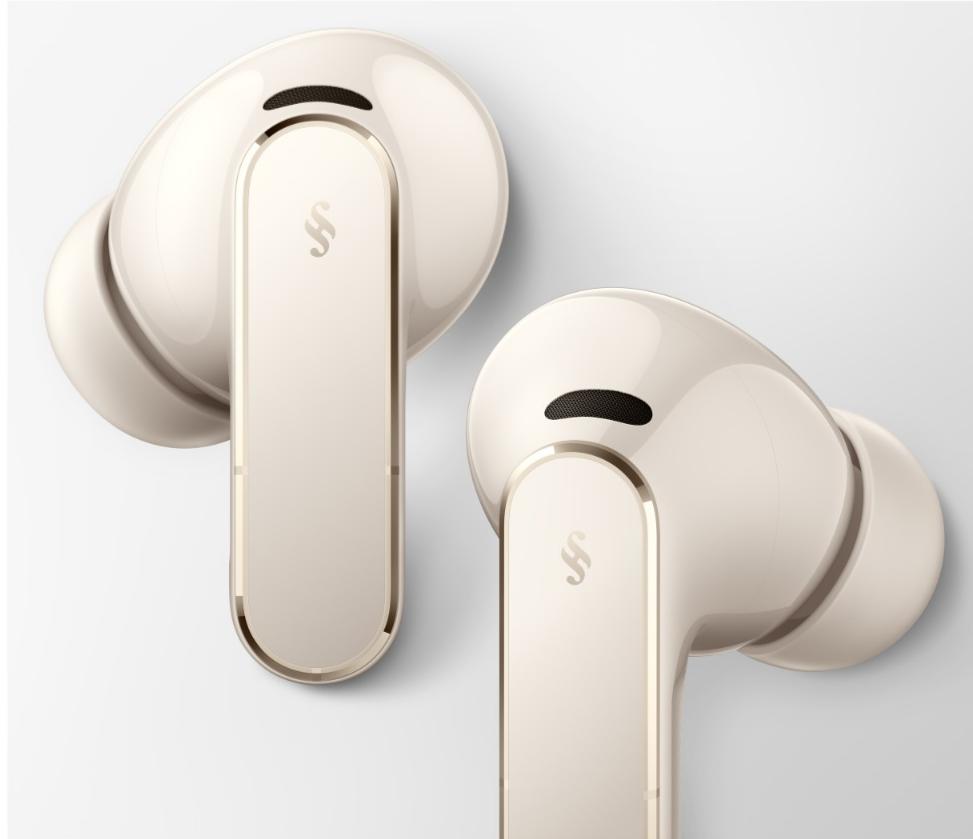
Several other devices will be introduced alongside the foldable. The FreeClip 2 earbuds extend Huawei’s open-ear wireless line, promising better comfort and audio accuracy while keeping the design recognizable. The Watch Ultimate Design brings a new aesthetic direction with higher-end materials and a feature set targeted at buyers looking for luxury-leaning wearables rather than mainstream smartwatches. Rounding out the announcements is the MatePad 11.5 S, a tablet that incorporates a refined PaperMatte display intended for reading, writing, and general productivity without the glare typical of glossy screens.
While the company frames the event as a celebration of technological progress, much of Huawei’s current strategy centers on maintaining momentum in categories where it still has strong consumer visibility. Foldables remain a space where hardware differentiation is possible, and the Dubai event underscores the brand’s effort to signal ongoing relevance through incremental engineering improvements, industrial design changes, and broader device ecosystem integration.
Huawei’s consumer business division continues to operate across more than 170 markets, with a portfolio spanning smartphones, tablets, PCs, wearables, audio products, and cloud-linked services. The group highlights its network of global R&D centers and long-standing telecom experience, though its position in the worldwide smartphone market has shifted over the past several years. Even so, the company is positioning its latest launch as an attempt to align premium hardware, ecosystem cohesion, and research investments into a more coherent narrative for users seeking alternatives in a crowded mobile landscape.